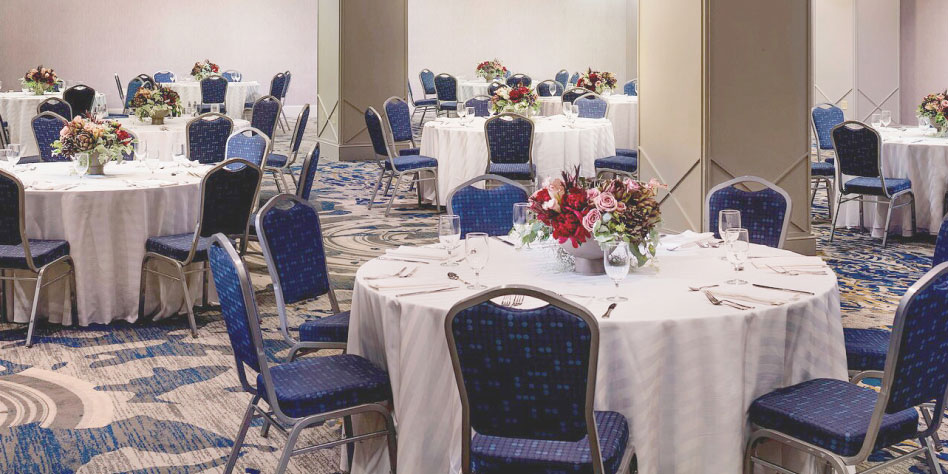
When it comes to education, a great classroom layout and design are critical to your students’ learning environment. At the beginning of the school year, teachers often begin the classroom design process by choosing a desk arrangement. It’s the classroom design element that is least likely to change over the school year, despite the fact that changing it up can improve learning for some students.
As teaching methodologies evolve, high school classroom design needs to adapt accordingly. When setting up the classroom, teachers can help students thrive in the classroom in three ways: by giving students a classroom with more flexibility, streamlining décor, and connecting students with technology. Focusing on these key factors can help teachers and schools create the best possible places to learn.
1. Design for Flexibility
Gone are the days of dry, monotone teaching styles reminiscent of the “Bueller? Bueller?” lectures from Ferris Bueller’s Day Off. Today’s classes mix front-of-the-room instruction, group work, online research, brainstorming, and a myriad of other activities.
High school classroom design needs to reflect the ways students and teachers interact today, rather than the old school days of monotonous hour-long lectures every class period. A flexible furniture layout can be a big advantage. Some semesters, you could group desks together to foster group learning and a sense of community, and other times you could opt for traditional rows.
High School Classroom Layout Ideas
- Individual desks and tables can be arranged in many ways, depending on the need:
- Traditional rows for lectures or independent work
- Small group or cluster layouts to encourage collaboration
- Large group arrangements for class discussions or presentations
- A ring, circle, or U-shape layout to improve visibility and conversation
- Desks pushed to the sides to create open space for activities
- Additional Considerations for High School Classroom Designs

Furniture That Keeps Up with Busy Schools
Discover education ready tables and chairs engineered for daily use, fast setup, and long term durability across campus spaces.
Additional Considerations for High School Classroom Designs
When choosing a classroom layout, it’s also important to consider traffic flow and visibility. Clear walkways make it easier for students and teachers to move safely around the room, while layouts that allow teachers to see all students can support classroom management and engagement.
Some teachers set up desks in pairs and classmates work in teams for a semester at a time. This works well for math, science, and other hands-on subjects, where having someone to check your work is more useful than conversing with the entire group.
If your desks are heavy and difficult for students to move around during class, consider having some comfortable stacking chairs in a corner. Students can use these chairs for group work.

2. Less Is More
It’s time to pare down on the amount of classroom decoration. As much fun as it can be to add personality, too much can be a distraction or an irritant. You don’t have to lose the things that make a room special, but keep it relevant.
As Nicholson Baker, author of Substitute: Going to School with a Thousand Kids, said in The Atlantic, “The walls of the rooms in which I substituted often held a polychrome profusion of stuff—posters and charts, and rules and exhortations, and cartoon characters and keyword lists. Sometimes the decor works wonderfully, sometimes it doesn’t. Less is more, in general.”
This recommendation to minimize classroom décor is backed up by science. Studies indicate that student attention decreases with an increase in classroom décor.1
3. Power Up
With more students using laptops and iPads in the classroom, access to power is becoming more of a need-to-have than a nice-to-have. Equipping some or all tables in the classroom with power “allows the space to serve as either a technologically-rich, one-to-one computing environment, or as a general classroom,” according to Kimberly Coffeen, senior educational facility planner at LPA.

Tables with integrated power or designated charging stations are an excellent way to keep your students’ devices powered up during class. If you don’t have the budget for a table with integrated power right now, try using an old desk or a rolling laptop desk. Situate the desk near several power outlets or use a power strip. The last step is to add charging cables that have been clearly marked as belonging to your classroom. (Cables have a way of walking off.) Now, your classroom charging station is ready.
The Final Take: Thoughtful Classroom Design Is a Winner
Building better classrooms for secondary education can seem like a daunting task, but small changes can help provide the foundation for good educational experiences for students now and into the future. Take some time to consider how the classroom design could best aid learning.
It’s common to rearrange desks and furniture at the beginning of the school year, but switching things up at the end of a semester also has advantages. A change might be just what your students need as they head into preparations for college entrance exams. Consider your classroom charging stations, furniture layout, and classroom décor, and use your creativity to create a classroom environment where students will thrive.
Explore MityLite’s recommended classroom furniture products to support flexible layouts and active learning.

Ready for a quote?
Chat with a dedicated sales rep today!
References
- Fisher, Anna V., Godwin, Karrie E., and Seltman, Howard, “Visual environment, attention allocation, and learning in young children: when too much of a good thing may be bad.” APS (Association for Psychological Science). Volume 25, Issue 7. https://doi.org/10.1177/0956797614533801
Products Featured in This Article
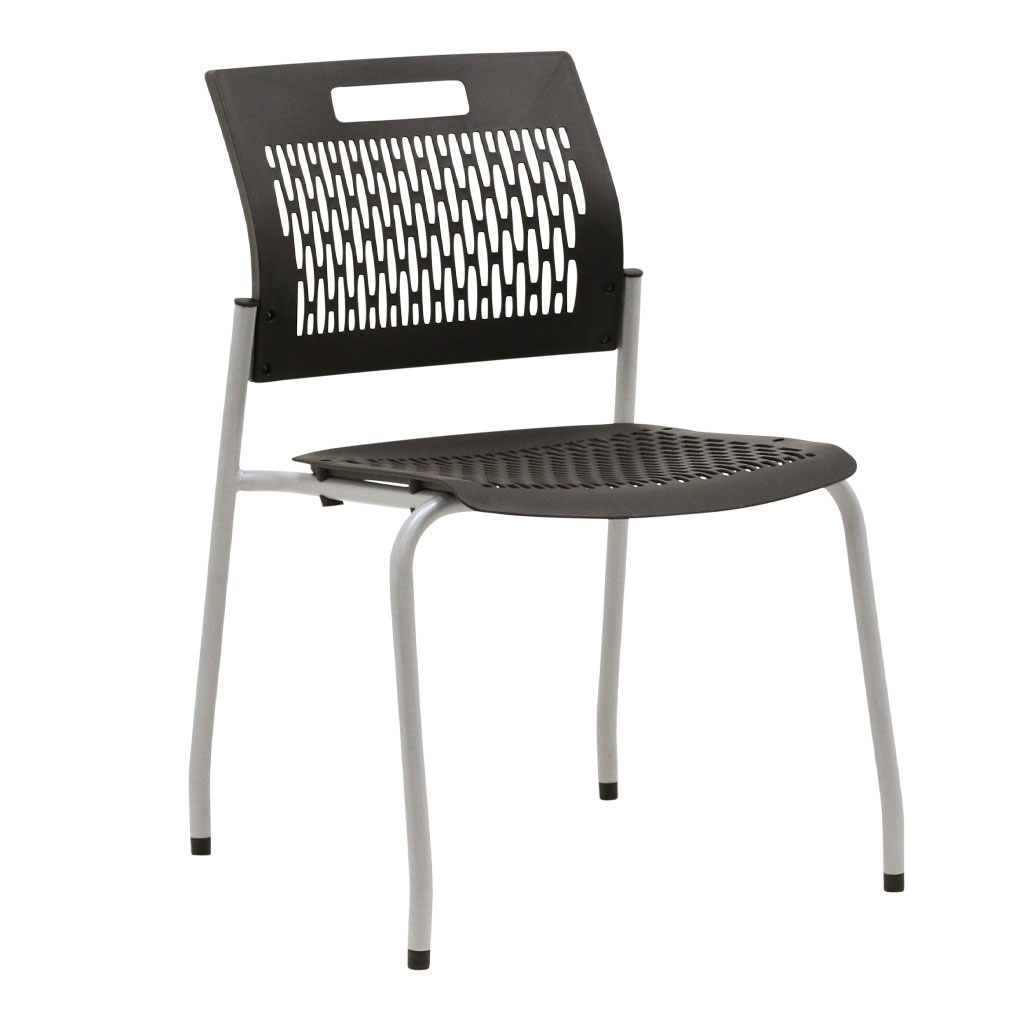
Adapt Stacking Chair
1 Plastic Color, 1 Frame Color

Reveal Linenless Duo Table
5 Table Sizes, 2 Table Leg Styles

Reveal Linenless Fixed Width Folding Table
9 Table Sizes, 2 Table Leg Styles