The MityGreen Pillars of Sustainability
At MityLite, sustainability is built into every decision we make. The MityGreen initiative holds each department accountable to sustainability. Across our brands, we focus on six key areas to reduce our environmental impact and promote a cleaner, healthier, and more equitable world.

MityGreen: 6 Sustainability Pillars
- Eco-Friendly Materials
- Clean Manufacturing
- Responsible Packaging
- Recycling
- Repairability
- Smart Shipping
Eco-Friendly Materials
We start with materials that are responsibly sourced and chosen for durability, performance, and environmental responsibility. By prioritizing recycled, renewable, or low-impact materials, we reduce waste before manufacturing even begins. Every selection balances quality with sustainability, ensuring products that last longer and perform better.
- Holsag by MityLite chairs made with FSC Certified hardwood
- ABS Tables are made with 80% recycled materials
Clean Manufacturing
Our manufacturing process is designed to protect both people and the planet. We focus on clean air and reduced emissions, while continuously improving energy efficiency in all facilities. Many of our products meet the strict criteria for GREENGUARD® Indoor Air Quality Certification. By integrating sustainable practices into production, we minimize our footprint without compromising craftsmanship.

Recyclable Materials
Designed with recyclable materials, components can be recycled to support a circular economy.

Made from Recycled Materials
Built with up to 90% recycled materials for a smarter, more sustainable choice.

GREENGUARD Certified
Independently tested and certified for low chemical emissions, ensuring healthier indoor air.
Responsible Packaging
Packaging protects our products during shipment, but it doesn’t have to harm the environment. We reduced cardboard stock by 60% by transitioning to right-sized packaging on demand.1 We use fully recyclable materials. This careful approach ensures products arrive safely while reducing landfill impact.
A Focus on Recycling
Our products are designed with recyclability in mind. By using recyclable materials and thoughtful construction, we make it easier for components to re-enter the supply chain rather than end up in a landfill. It’s part of our commitment to a more circular economy.
Our recycling efforts keep hundreds of thousands of pounds of materials out of landfills.
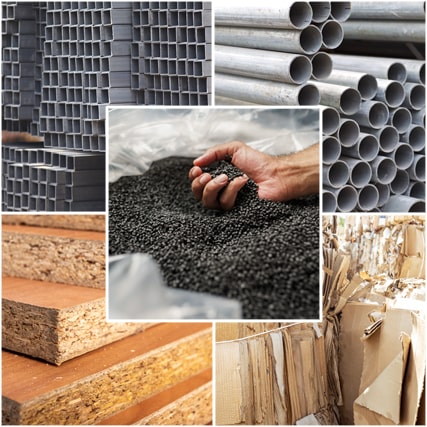
Each year, we recycle:
- 403,040 pounds of ABS plastic
- 129,220 pounds of iron
- 39,171 pounds of aluminum
- 109,200 pounds of wood
- 6,000 lbs. of cardboard
That means we recycle 686,631 pounds per year — the equivalent of 34 class D school buses!
Repairability
We believe a product’s life shouldn’t end at the first sign of wear. Our furniture is engineered for easy repair and maintenance, extending its usefulness for years beyond the average lifespan. We offer products with replaceable floor glides, seats, and backrests to maximize the product’s lifespan and minimize environmental impact.
Efficient Shipping
Transportation plays a crucial role in sustainability, so we work to make it as efficient as possible. We optimize shipments to reduce miles traveled, choose carriers committed to greener practices, and explore lower-carbon options. The result is smarter logistics that help protect our planet.
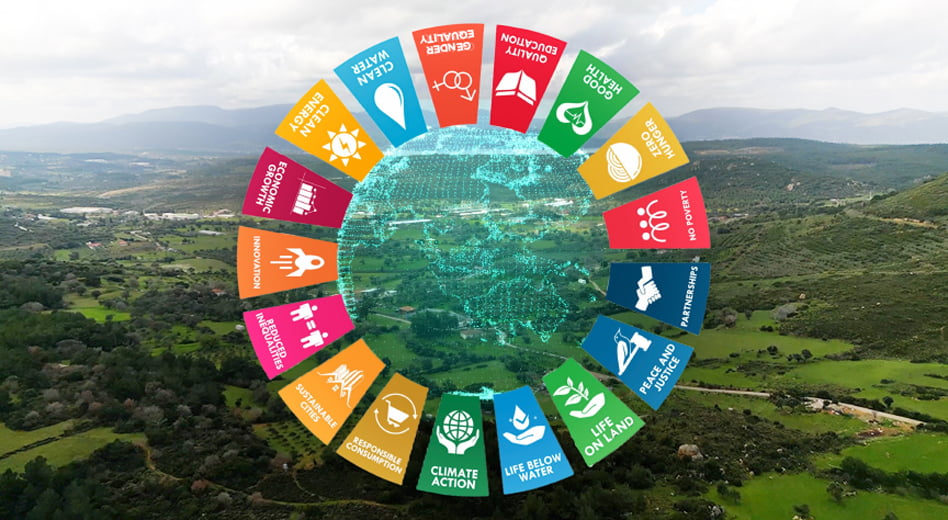
How MityLite’s 6 Sustainability Pillars Support the United Nations’ SDGs
MityLite is committed to reducing environmental impact while delivering durable, high-performance products. Our six sustainability pillars align directly with the United Nations Sustainable Development Goals (SDGs)—a global blueprint for a more sustainable future.
By mapping our initiatives to the SDGs, we ensure our efforts contribute to internationally recognized environmental and social priorities. From sourcing responsible materials to optimizing logistics, each pillar supports measurable progress toward cleaner production, reduced waste, and climate-conscious business practices.
Why This Matters
- Global Alignment: Connecting our work to the United Nations’ Sustainability Development Goals (SDGs) ensures we contribute to shared global priorities.
- Measurable Impact: Each pillar supports clear, trackable goals—like waste reduction, lower emissions, and extended product life.
- Customer Confidence: Our approach helps customers meet their own sustainability commitments by choosing products designed for longevity and environmental responsibility.
By embedding sustainability into materials, manufacturing, packaging, recyclability, repairability, and shipping, MityLite delivers on our promise: furniture that performs for our customers and protects our planet. That’s the MityGreen way.
Sources
- “How Packsize helped MityLite reduce corrugated cardboard stock by 60%,” June 16, 2016. https://www.youtube.com/watch?v=yL8rjiKAozs
- United Nations website, “Sustainable Development Goals.” United Nations Department of Economic and Social Affairs, Sustainable Development, 2015-present. https://sdgs.un.org/goals


