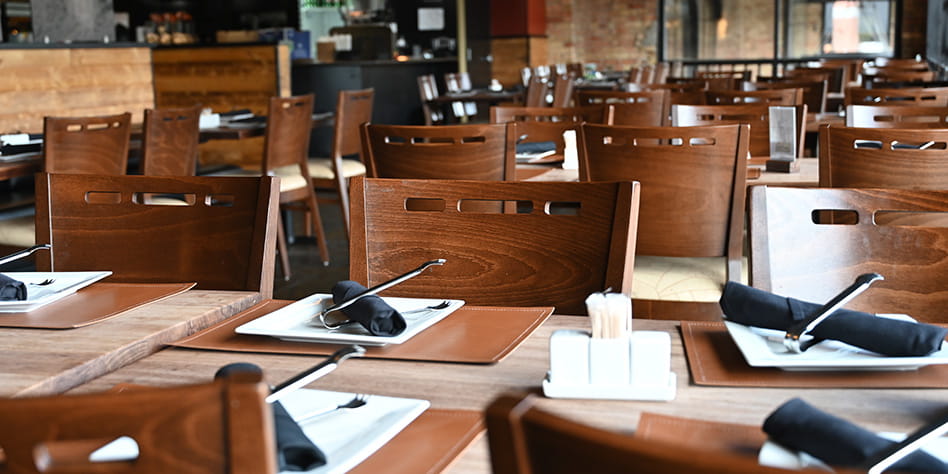
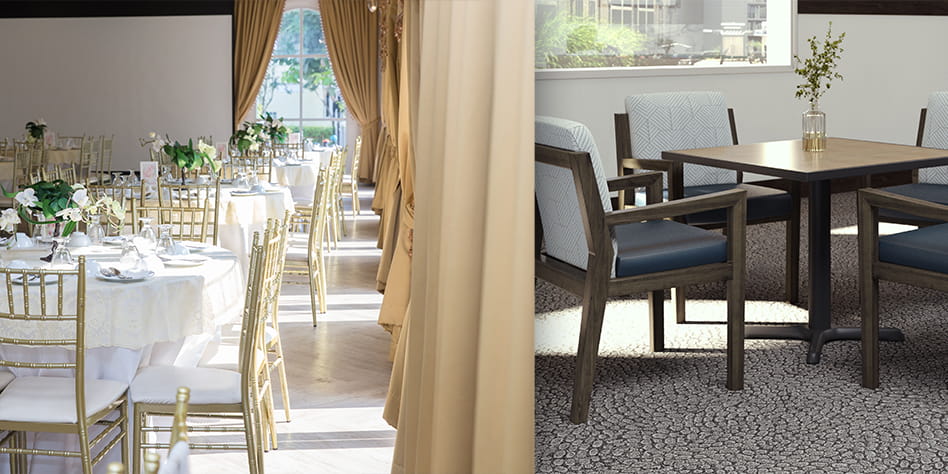
If you want to create an inviting atmosphere at your restaurant, you’ll want to consider every element that contributes to it. Successful restaurant, bar, and café owners plan out more than just the menu—they also consider the background music, the paint color on the walls, the furniture, the lighting, the entry and waiting area, and many other features that contribute to a diner’s experience. Yet, when it comes to proper restaurant table spacing, many leave it up to the interior designers to figure out how many guests to seat per room. After the restaurant is open, many properties never play around with seating arrangements again until it’s time to remodel.
In this article, we’ll discuss the importance of carefully planning the distance between tables in a restaurant—and how it quietly shapes each guest’s expectations of their dining experience.
Why Spacing Matters
It’s easy to understand how thoughtful interior design and menu planning affect the guest dining experience, but a restaurant’s table spacing also plays a vital role in every guest’s experience.
Restaurant Table Spacing Impacts the Following:
- Comfort: Adequate spacing between tables helps diners feel relaxed. Tight spacing makes guests feel cramped and crowded, which leads diners to perceive a lower value in their dining experience, order fewer courses, and spend less per check.
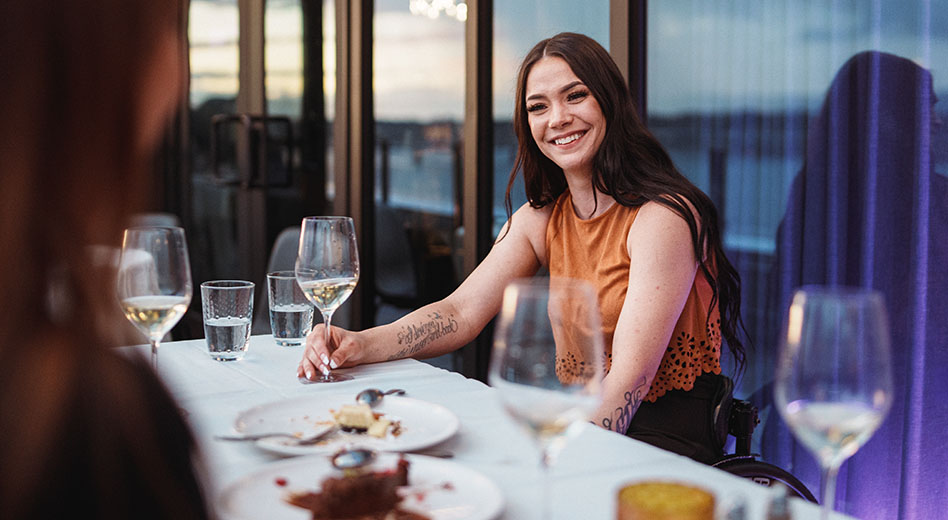
- Accessibility & Compliance: Spacing plays a crucial role in meeting ADA requirements and creating an inclusive, welcoming dining environment. Proper spacing isn’t just about comfort and atmosphere—it’s a matter of following regulatory requirements represented in the ADA, fire codes, health department standards, and local occupancy limits. Regulations include rules for wheelchair seating throughout the restaurant, table clearance, aisle space, and more.
- Airflow & Traffic Flow: Going out to eat is a sensory experience. Creating the right airflow and traffic flow from the entry areas to dining tables allows enticing aromas to waft from the kitchen and nearby tables.
- Ambiance: Spacing is elemental when defining a restaurant’s atmosphere. Generous spacing between tables conveys privacy and sophistication in fine dining. On the other hand, closer arrangements message a fast-casual and communal dining experience.
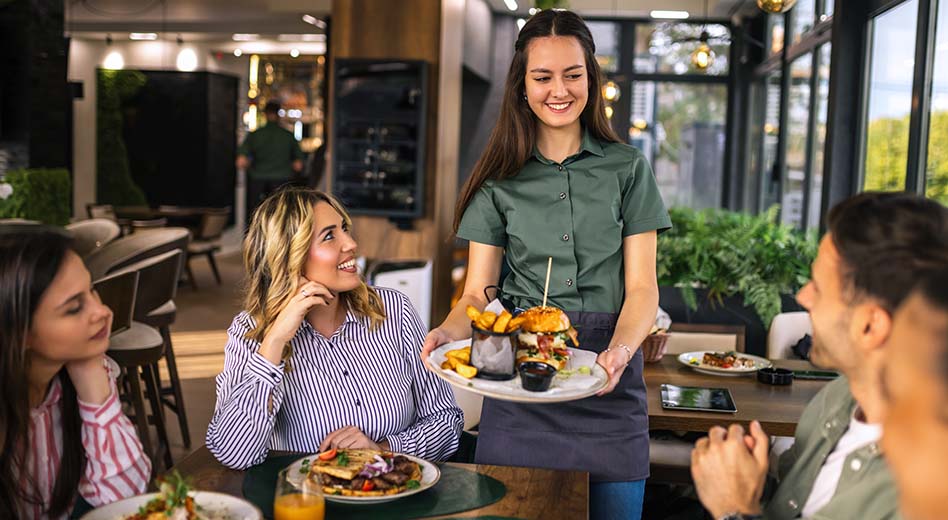
Important Measurements and Regulatory Standards
Thoughtful planning for each guest’s personal space communicates more than comfort—it conveys inclusion. Even in more confined dining environments, making sure individuals have plentiful space for wheelchair access and maneuvering lets patrons know they are valued.
Chair Clearance Standards
When contemplating how much space to leave for chairs around the table, consider the clearance guests need to push back from the table and stand without bumping into other diners. At a minimum, you need 18–24 inches of clearance behind occupied chairs, with 24–36 inches for armchairs or oversized seating.
Table-to-table Spacing
Fast-casual restaurants may have tables as close as 24 inches apart at their busiest times, with 30–42 inches being more common, and fine-dining restaurants offering 54 inches and more to provide an intimate and private atmosphere.
See more about table and booth seating in our comparison guide here.
Regulatory Spacing Requirements
- Seating locations must include a 30-inch by 48-inch clear floor space at the dining surface for maneuvering a wheelchair.
- Guests must be able to roll up to the table without obstruction, with their knees under the table.
- Access routes require 36-inch clearance at all times.
- Aisles must have a 19-inch clearance from a chair or table to the aisle for clear emergency space.
- Guests with wheelchairs must be able to sit comfortably at the table, with 27 inches of height clearance from the floor to the table’s underside, at least 30 inches of table width, and a depth of at least 19 inches for knee clearance.
Common Spacing Mistakes
Optimizing a restaurant’s layout is a delicate balance between adapting to different crowds and providing their desired dining experience. The following are some of the most common errors made.
- Overcrowding during peak hours: Trying to accommodate every party can backfire, with staff stretched too thin to provide good service and guests left feeling rushed and cramped.
- Underutilizing space: During off-peak hours, choosing not to rearrange tables for a more spacious layout to provide an intimate dining session can mean a missed opportunity to serve diners a longer dinner service with more drink orders, desserts, and larger tips.
- Ignoring service flow: Poor table placement can create bottlenecks that lead to slower service and a diminished experience for guests.
How Furniture Can Work with Fluctuating Capacity
Modern commercial furniture is designed to help restaurants adapt quickly to changing conditions and guest expectations.
Tables: Many commercial tables feature lightweight construction and intuitive designs that allow restaurant staff to reconfigure an establishment’s layout quickly.
For instance, purchasing long family-style tables to seat parties of 12 can backfire if your restaurant becomes a hot spot for cozy dates. Combining several tables together to accommodate large parties makes it possible to rearrange tables for smaller parties when needed.
Chairs: Stacking chairs can be easily removed from the floor during layout changes, opening the temporary space needed to reconfigure the dining space.
Mobile seating on commercial-grade casters allows staff to handle an unexpected influx of diners or arrange a custom seating area without a significant physical effort.
Storage: Restaurants can use smart storage designs to handle daily layout reconfiguration without cluttered service areas or compromising safety regulations.
Real-World Examples of Restaurant Table Spacing Optimizations
With some planning, you and your staff can transform your restaurant layout throughout the day to accommodate different needs.
By adding, subtracting, or pulling apart tables, you can attract the right crowds to your restaurant at the right time.
- Stack extra chairs and push together tables to go from fast-turnaround breakfast crowds of 1-2 guests to leisurely dinner services for larger groups
- Separate large tables to transform from the weekday business lunch crowd to evening dinner dates
- Set up extra folding tables and chairs to go from standard dinner service to seasonal events like holiday parties and private events
For example, a vegan-friendly Mexican restaurant in Albuquerque, New Mexico is known regionally as a desirable spot to bring a date and for business lunches. Flexible seating allows the staff to separate tables during evening hours to create more two-top and four-top tables. Needs change seasonally, because during special event season (such as the Albuquerque International Balloon Festival and the Santa Fe Wine & Chile Fiesta), the restaurant is flooded with big groups of tourists. During the busiest tourist season, the restaurant adds extra tables to several dining rooms to accommodate large parties.
Another example of switching table layout to fit the needs is a restaurant in Boston, Massachusetts that specializes in Southern comfort food. By day, it’s a cozy brunch spot; it transforms into a jazzy restaurant and place for drinks in the evenings. For brunch, the staff stack some of the chairs and roll them into a back closet for more intimate gatherings. Evenings are louder, and the party size grows, so they pull out the chairs and use them as needed throughout the evenings.
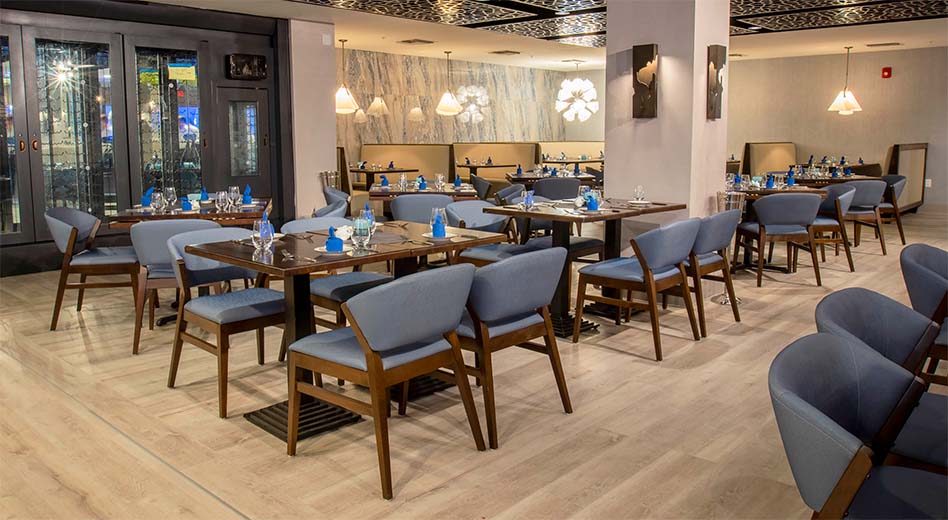
Fast Table Turnover Tips
If you frequently have guests waiting to be seated, one way to increase profits is to make table turnover more efficient. To optimize table turnover, there are four key areas to focus on.
- Planning layout changes: Optimizing table positioning throughout the day, the week, or the season helps servers navigate the floor, reduce service time, and keep guests comfortable by repositioning seating as needed. Maintain the same server pathways to the kitchen for peak efficiency.
- Integrating technology: Restaurant management platforms help managers and owners forecast layout plans based on demand. Using POS systems and mobile apps allows shifts to make live table configuration changes.
- Prioritizing guest communication: Let guests know key times to expect a different atmosphere, whether it’s the transition from a casual lunch hour to fine dining or reorganizing for a special event. Signage and trained staff are both integral to maintaining guest satisfaction.
- Measuring performance: There are many metrics you can use to measure your restaurant’s performance. You can track your revenue per square foot, turnover rates, customer satisfaction results, and similar metrics to perfect your layout strategy.
Plan the Perfect Space with MityLite
Give your guests the experience they’re looking for at your restaurant. Every design choice serves a purpose and reflects your understanding of the dining experience your guests seek.
MityLite provides you with the restaurant furniture you need to exceed your diners’ expectations.

Questions?
Get in touch with our dedicated sales representatives today.
Products Featured in This Article
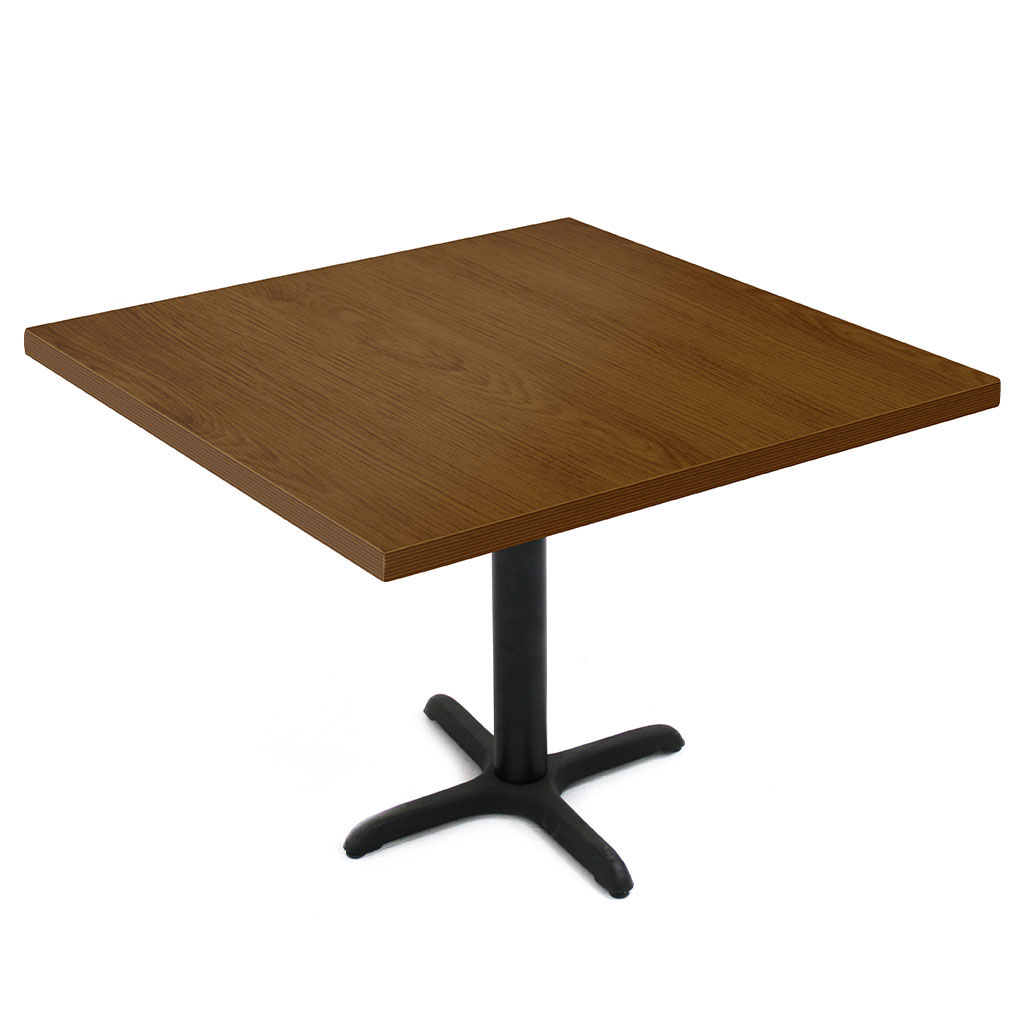
Bellevue Tabletop
25 Table Sizes
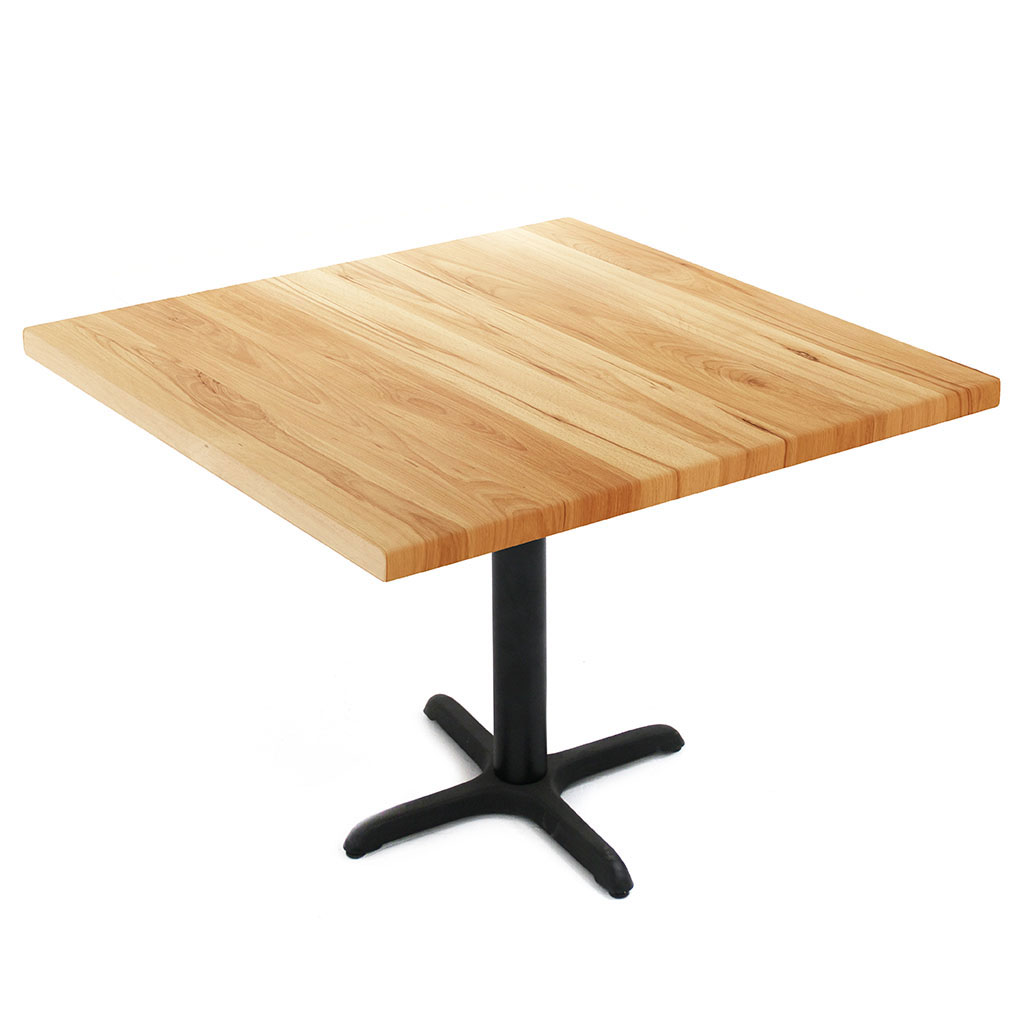
Davenport Tabletop
27 Table Sizes
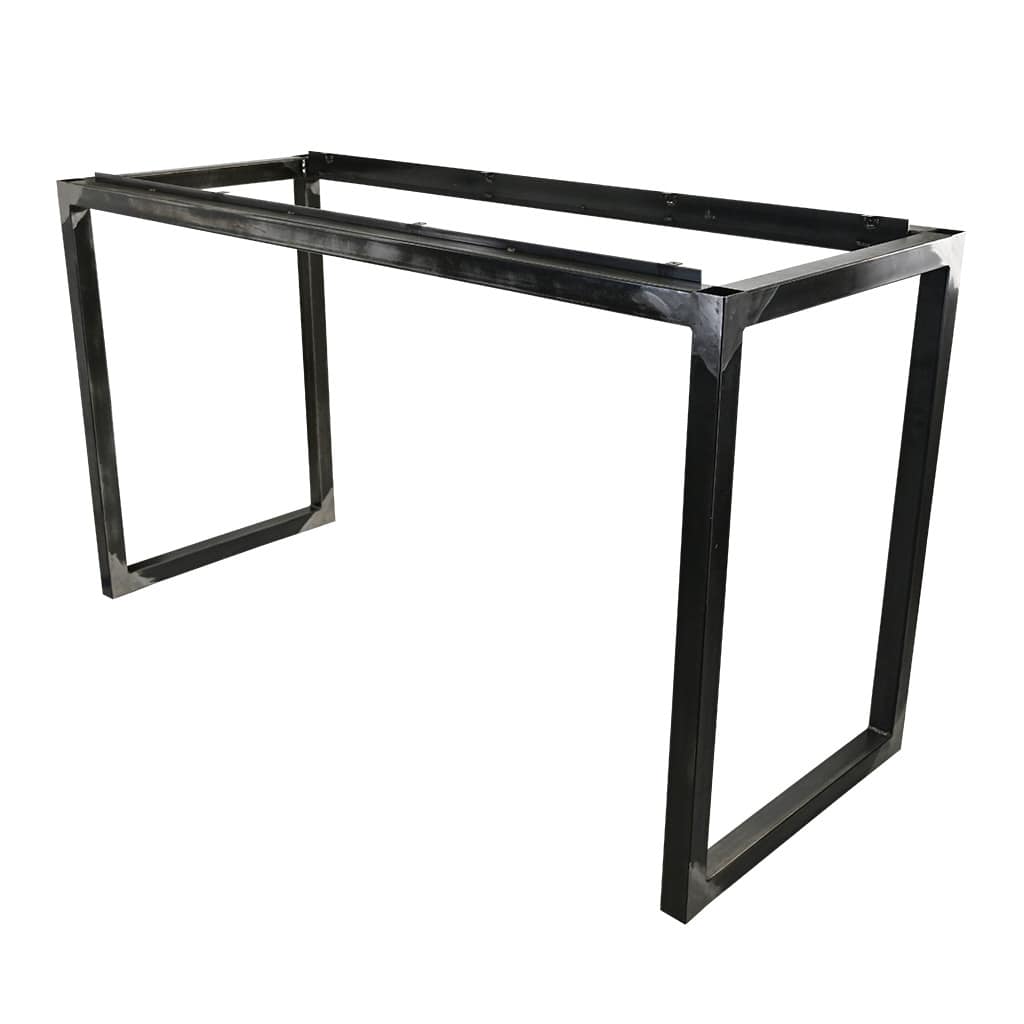
Communal Table Base
7 Table Base Sizes, 2 Table Heights
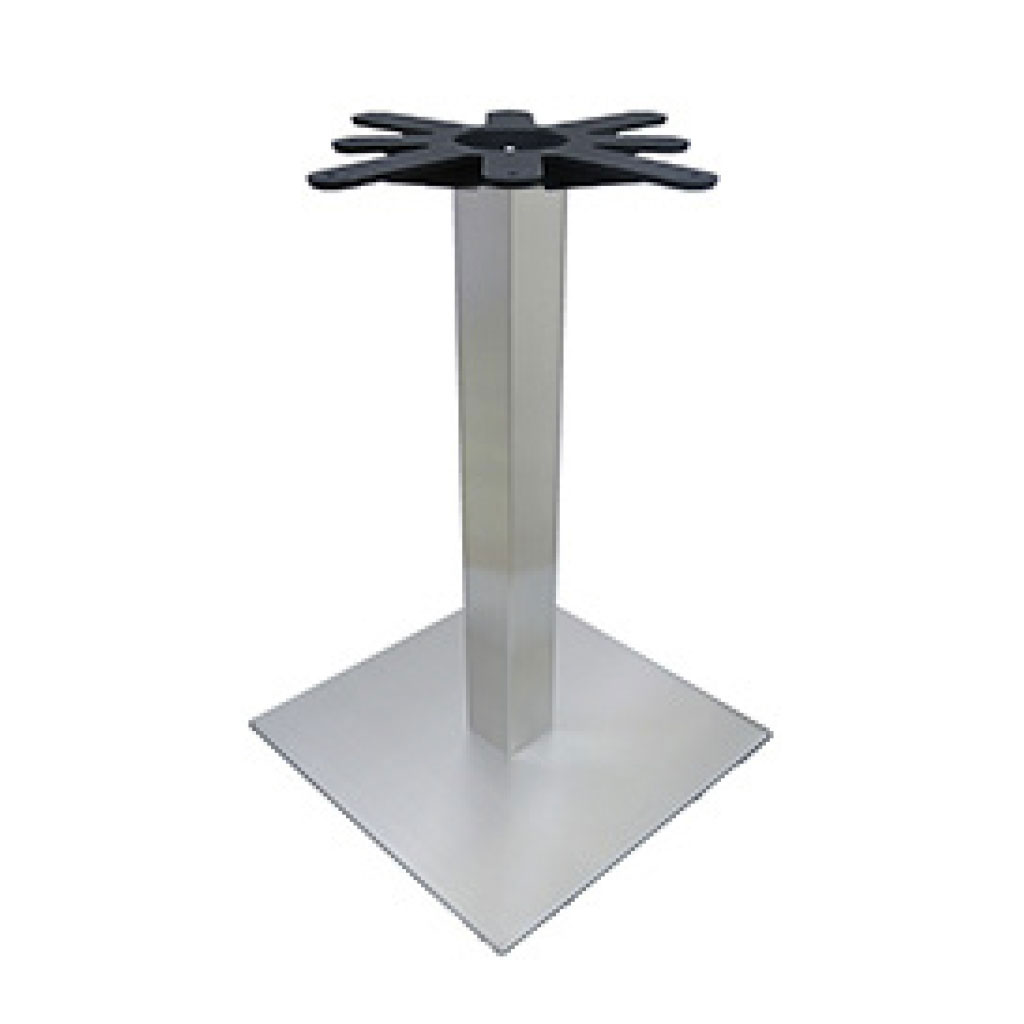
Square Stainless Steel Table Base with Square Column
2 Table Base Sizes, 2 Table Heights