Today’s hospitality spaces no longer try to impress guests the moment they walk through the door. They invite them to stay instead.
A business traveler pulls her suitcase from the back of the car and pauses for a moment, mentally calculating how to manage everything in one trip. She glances at her watch. She should have arrived hours ago. Her phone buzzes with messages she’ll ignore for the time being. Tonight, she simply wants to set down her bags.
When she finally opens the door to her hotel room, she exhales. Warm wood tones, soft lighting, and a barely audible playlist replace the chaos of the day. A low, plush chair sits in the corner beside a shelf of well-worn books, inviting her to trade her laptop for a novel. For the first time all day, she unclenches her shoulders. She smiles and tosses her purse on the side table.
She won’t remember the thread count of the bedding or the exact shade of the paint on the wall. She’ll remember letting everything wait.
Interior design for hospitality has shifted. More than a passing trend, this change reflects a desire to strike an intentional, emotional chord with guests. It reaches beyond color coordination and anticipates the stress guests bring with them. The resulting spaces gently unwind the tension. Designers have a name for this shift: warm minimalism.
Intentionally Shaping the Feel of a Room
For years, eye-catching rooms made bold statements. Designers layered funky accent walls with vibrant colors, dramatic lighting, and eclectic décor to create spaces guests wanted to photograph for social media. It caught on quickly. The tropical wallpaper and shaggy Chevron-striped rugs made guests stop and say, “I’ve never seen anything like this, but it works.”
Today’s hospitality spaces pursue something different. Rather than designing for the first impression alone, they’re designing for the lasting impression. Great hospitality has always been emotional. But instead of creating a spectacle, they create a retreat—one that dissolves the anxiety of the day.
That breath of fresh air doesn’t come from one dramatic design element. Dozens of subtle cues work together. The height of a chair. The curve of an armrest. The warmth of natural wood. The softness of upholstery. Individually, these mundane details barely draw attention. Together, they shape how guests experience a space, often without realizing why it feels so cozy.
Why Does It Resonate?
Design trends rarely appear out of nowhere. More often, they emerge as a reaction to what came before.
For years, industrial-inspired interiors embraced hard edges, exposed materials, stark contrasts, and an unfinished aesthetic. Those spaces found beauty in utility and authenticity, but they could also feel cold and unyielding. After spending more time at home in recent years, many people found themselves craving something different. They didn’t need more visual stimulation.
Warm minimalism fills that need. Like traditional minimalism, it shares the belief that every element in a room should have purpose, but it softens the experience. Instead of stripping a room down to the point that it feels stark, it creates breathing room. Calm replaces fatigue. With no distractions, the guest enjoys a break from the overwhelm.
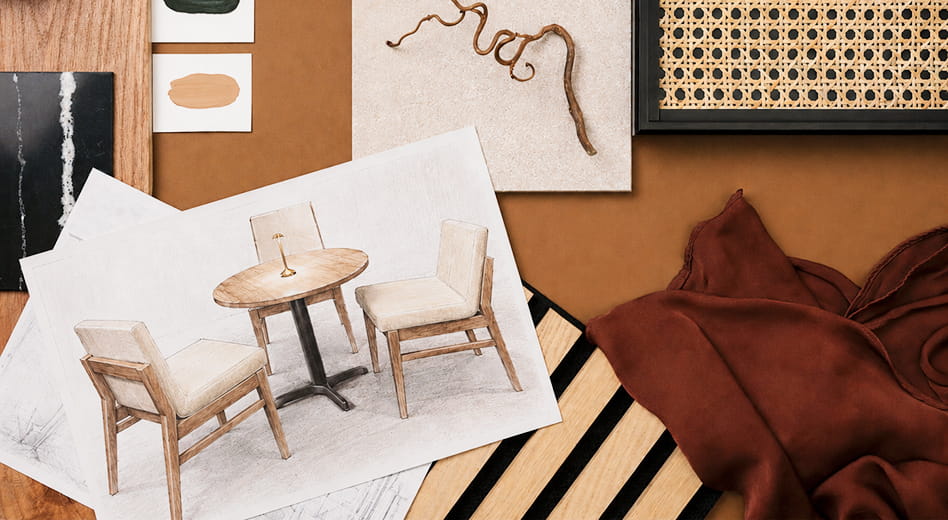
The Elements Behind Warm Minimalism
Every design choice answers the same question: “How do we make our guests feel at home without making them feel like they’re at home?”
Softer Forms
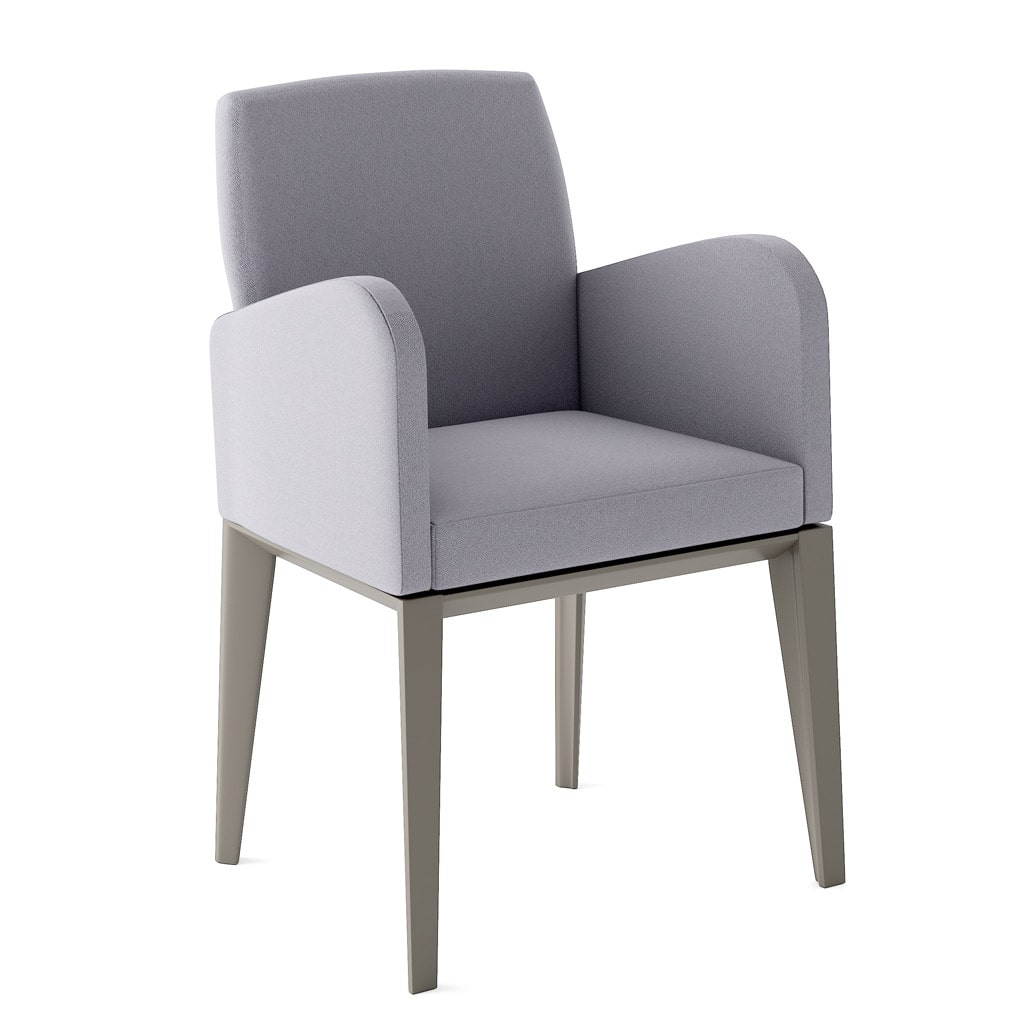
Soften the room using furniture with rounded edges and organic silhouettes inspired by nature. Curves guide the eye naturally throughout the room. Avoid rigid geometry and sharp corners to create a more approachable, clean aesthetic.
Intentional Restraint
Embrace simplicity, but not emptiness. Every piece has a purpose, and every object earns its place. Soft whites, warm taupes, clay, sand, walnut, muted greens, and earthy neutrals form the mellow backdrop that makes the architecture, furnishings, and materials cohesive. By reducing unnecessary visual clutter, the room makes you want to stretch out without feeling trapped in a monochromatic cell.
Grounded Furniture
Furniture in warm minimalist spaces features broader, more relaxed proportions that visually anchor the room. Instead of feeling like you need to sit up straight and pay attention, these lower-profile pieces offer a friendly invitation to more “make yourself comfortable.”
Lighting That Slows the Room Down
Layered lighting combines ambient, task, and accent lighting to create depth and softness. The goal isn’t simply to illuminate the room. It’s to help the room feel intimate in the evening and welcoming throughout the day.
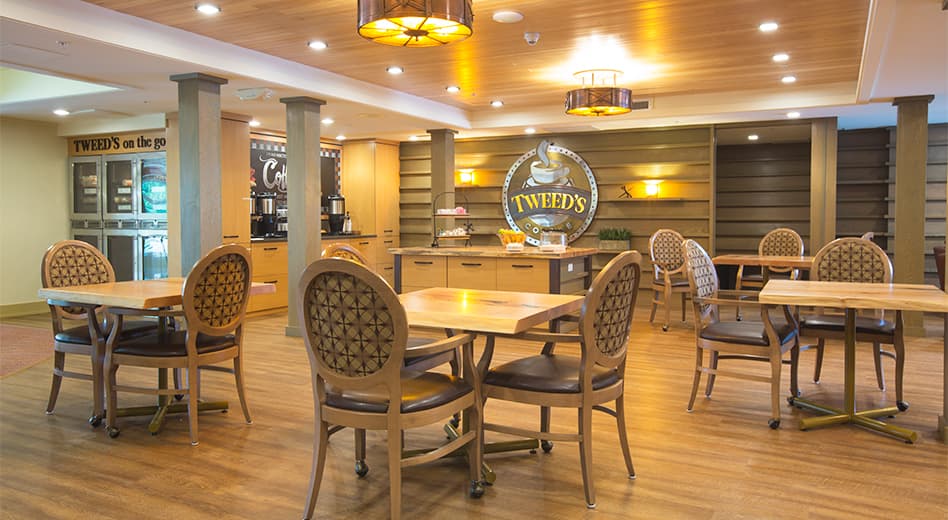
Texture Over Decoration
Strip away the artwork, decorative accessories, and bold patterns. What’s left?
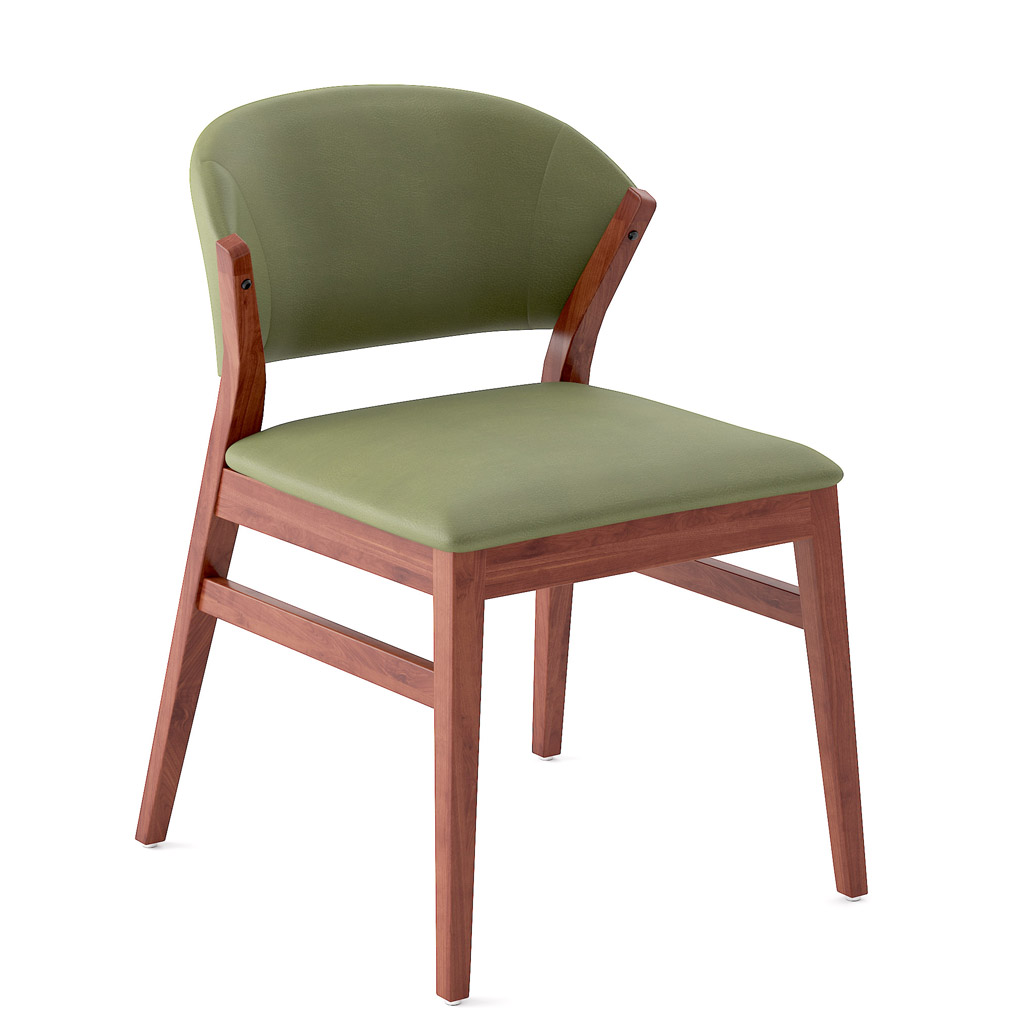
In a warm minimalist space, the materials themselves become the design. The grain of natural wood, the weave of linen, the nubby texture of bouclé, the cool variation of stone, and the softness of matte finishes create richness without relying on visual excess. Rather than layering a room with ornament, designers layer it with materials that invite a guest to drop her shopping bags, slow down, and notice.
When a room contains fewer objects, every surface matters more. Texture gives each piece depth and character, creating spaces that feel warm, lived in, and authentically human. Guests may never stop to admire the wood grain in a table the fluted texture of the headboard, but together those details shape the emotional output of the room.
Texture becomes the visual interest—not clutter.
Warm Minimalist vs. Traditional Minimalist Design


Furniture That Supports the Feeling
Paint colors alone will not change the design aesthetic; furniture plays an equally important role. Every chair envelops guests who want to kick off their shoes. Every table makes a space for a memorable breakfast conversation. Every lounge seat nudges a business traveler to finally close her laptop. The proportions, materials, and finishes all work together to urge guests to take a moment and pause.
There’s only one challenge. Furniture plays a meaningful role in creating emotional comfort, but in hospitality, it also has to perform. Unlike residential furniture, commercial pieces endure constant guest turnover, daily cleaning, and years of heavy use while maintaining the warm, welcoming appearance designers worked so carefully to create.
Venues depend on commercial furniture to bridge the gap between beautiful craftsmanship and everyday performance. Pieces like Novva, Malmo, Palmanova, Lucca, and Mila embrace the softened forms, natural finishes, tactile materials, and understated elegance without compromising the durability hospitality environments require.
Spaces People Remember
As the woman drags her luggage back through the security checkpoint at the airport, her driver’s license tucked in her pocket for easy access, she won’t remember the flooring or the light fixtures. She’ll remember peeling off her socks and finally letting go.

Ready for a quote?
Chat with a dedicated sales rep today!