Most workplaces treat color as decoration. The most effective ones use it to support how people actually work. Color should be introduced intentionally, and furniture provides the best way to do it.
Walk through the front door of any office building and take a self-guided tour through the room. Most likely, you’ll see the same thing surrounding each desk: neutral color palettes designed to avoid distraction. Gray, textured walls. Uniform black seating. Overhead fluorescent lights that shine with an unnatural, yellow hue. The room feels lifeless.
A neutral palette may feel safe, but it isn’t quite neutral.
Color schemes shape how people feel, focus, and interact with their environment, especially in the workplace. Research shows that color influences mood. Color isn’t just applied to walls; it’s experienced through furniture. Even a neutral palette impacts energy levels and productivity consistently. Yet many organizations still treat color as a finishing touch of flair instead of a strategic tool.
What the Research Actually Tells Us
According to Business Flare, recent studies show that color influences productivity, with some research suggesting improvements of up to 20–25% in optimally designed environments. Cooler tones like blue and green tend to promote calm and focus. Warmer tones increase energy and stimulate interaction. These effects don’t happen consciously; they happen automatically. People walk into a room and feel more settled, more focused, or more energized depending on their surroundings.
Here’s where most workplace environments fall short. They rely on a single design approach across the entire office. The same colors. Matching furniture. A predictable layout.
When everything looks and feels the same, nothing actively supports the ongoing tasks at hand.
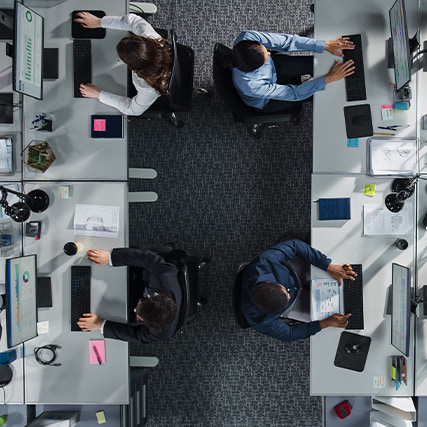
An effective workday bounces between different “modes:”
- focused, heads-down work
- collaborative discussions
- informal breaks and resets
Each activity requires a different level of energy, attention, and comfort. A single, uniform environment won’t suit every type of work.
Unlike paint, furniture allows you to introduce, adjust, and refine color over time without disrupting the entire space. What if you applied an intentional color strategy in the furniture that fills each of the different spaces?
A Better Approach: Design for How Work Actually Happens
Reception: Setting the tones and expectations
According to BusinessFlare, “First impressions form within seconds of entering a space, making reception area color choices crucial for client relationships and employee morale.” This first space must balance your branding, professionalism, and a warm sense of welcome.
While paint and wall art play a key role in interior design, people don’t interact with walls first—they interact with seating. Give your visitors plush upholstery, soft textures, and warm color tones flanked by lots of natural light. This design strategy enhances how comfortable and approachable your business feels.
With a wide range of fabric and color options, reception areas can layer hues and materials together to create depth, define the room, and make the environment feel polished.
Focus Spaces: Reduce Noise, Increase Clarity
Some tasks require you to put your head down and work. Focused work requires full concentration and minimal distraction. In a workplace design, plan for cooler, more subdued tones in analytical spaces like individual offices or research areas.
Blues and greens create a sense of calm. These colors lower blood pressure, reduce heart rates, promote relaxation, and improve mental clarity. When paired with a neutral foundation, muted palettes allow employees to settle into longer periods of concentration.
Speaking for anyone who has sat for long stretches in one spot, the furniture should never be an afterthought. Give your analytical spaces the best-structured furniture. Consistent finishes and cohesive, cool color choices reinforce a sense of order. When the environment feels stable, it becomes easier to focus on the cognitive load without all the visual noise.
Collaboration Spaces: Encourage Energy and Interaction
On the other hand, collaboration calls for a different kind of environment for the team—one that invites conversation and movement.
Warmer tones, used intentionally, increase energy and signal welcome interactions. Color doesn’t need to overpower the room. Even small accents in cheerful upholstery or stylish seating shift how the space feels.
Consider using flexible furniture in these community gathering places: movable seating, varied configurations, and intentional color contrasts to help teams congregate and share ideas.
Color sends a subtle cue: this is a space to engage.
At the MityLite headquarters, we have an upstairs room we lovingly call, “the fabric center.” Designed in warm tones of orange, green and blue, the room acts as a showpiece for clients. Organically, it also tends to be the room where the administrators congregate. They stand around, chatting, problem-solving, and move the company forward. While we also have conference rooms, it seems to be the creative hub, not just for fabric, but for running the company.
Recovery Spaces: Create Room to Reset
Employees also need space to pause and fight mental blocks.
Without areas designed for recovery, fatigue builds throughout the day. Soft, natural tones and low-contrast palettes help reduce cognitive load and create a sense of serenity to prevent burnout. BusinessFlare said, “These spaces should feel distinctly different from work areas, providing psychological separation that supports rest and rejuvenation.”
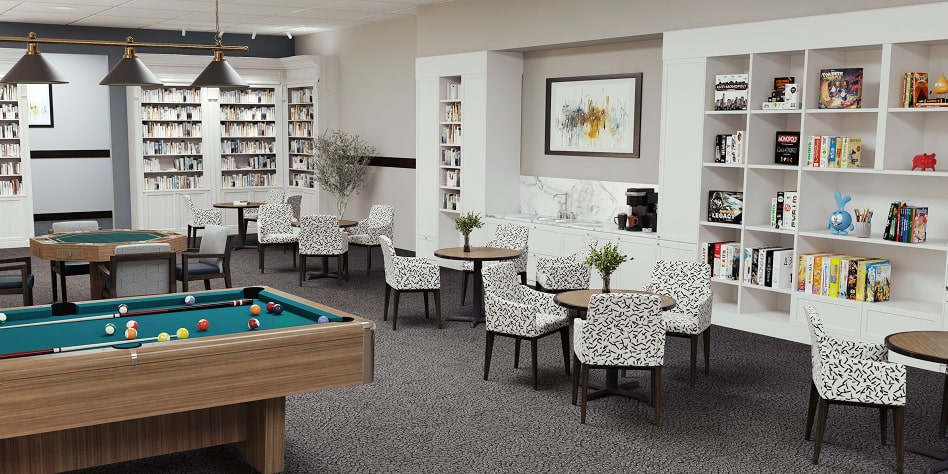
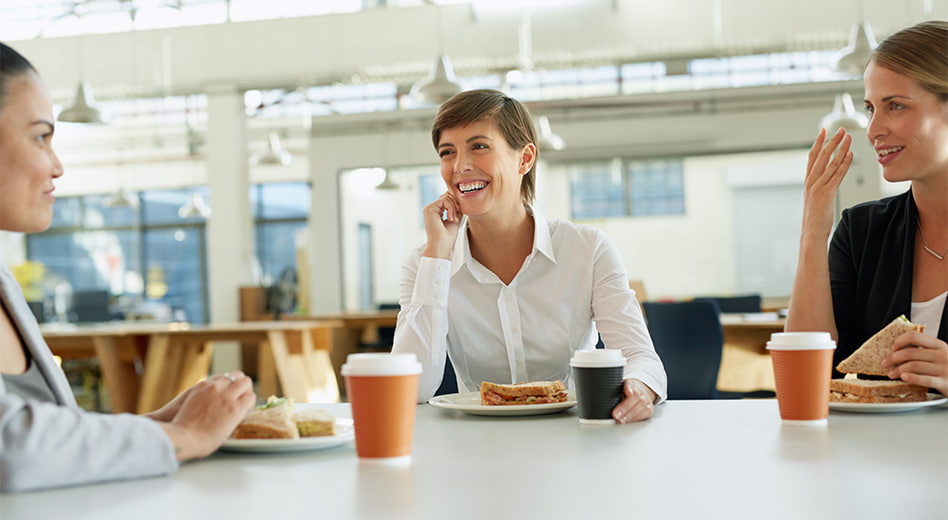
Think comfort-first furniture in recovery spaces. Lounge seating, softer materials, and warm, informal color choices that signal it’s okay to take a breather and reset. Even if it’s just a small space, choose furniture that feels conducive to social interaction.
Create Options for Personal Preferences
If you ask anyone under the age of 8, “What’s your favorite color?” They’ll have an answer in the hopper before you finish the question. Everyone, regardless of age, has tastes and preferences associated with color. “Remember that color psychology provides guidelines rather than rigid rules, and individual responses can vary based on personal experiences, cultural backgrounds, and current life circumstances,” says Room Enhance. While individual preferences matter, the goal is to create options for everyone.
The Missing Link: Customization
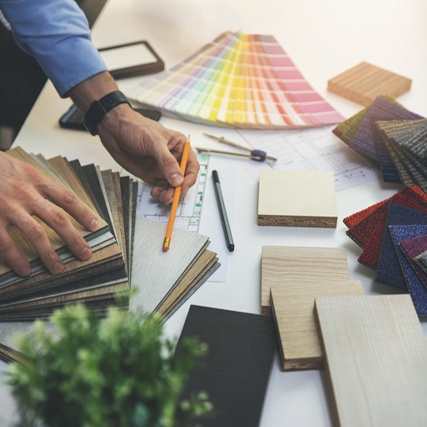
Furniture sits directly in an employee’s line of sight and within their physical experience. It’s what they touch and use throughout the day. That makes it one of the most immediate and influential ways to shape how a space feels. With a wide range of fabric and finish options, customization turns color from a design decision into a performance tool.
You can choose:
- the right shade
- the right pattern
- the right material
The ideal combination of color, texture, and material creates a range of experiences that supports how your employees work throughout the day. It becomes something you can tailor, intentionally and precisely, to how each space is used and to the people in it.
The most effective environments don’t rely on a single choice. They rely on options.
Turning Color Strategy into Reality
Understanding color psychology in the workplace is only the beginning. Applying it to your building? You might not even know where to start.
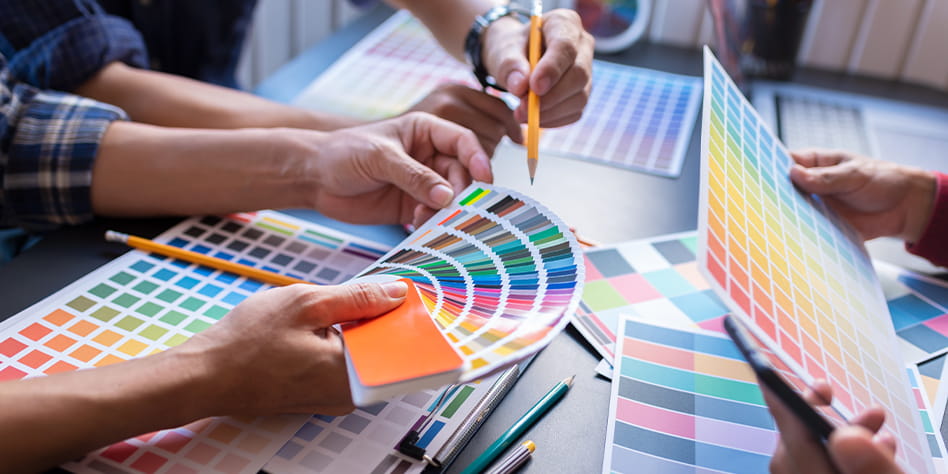
Don’t bother looking for color strategy possibilities on your walls; you’ll find better solutions in the furniture your people use every day. MityLite can show you how to bring intentional splashes of color to life with stunning, commercial-grade furniture. With thousands of fabric options and customizable finishes, MityLite gives you the flexibility to escape the standard static palette and create an optimal work environment for your team.

Customize More Than Color Alone
Explore fabrics and textures designed for comfort, durability, and style.
Instead of forcing every space into the same cookie-cutter neutral aesthetic, tailor each area with its purpose in mind:
- calming tones and soft textures for focused work
- energizing accents for collaboration zones
- neutral, restorative palettes for areas designed to reset
All without redesigning the entire office.
If the right colors increase employee productivity, customization isn’t just aesthetic. It’s functional and it’s good for your business. When the work environment supports focus, collaboration, and recovery, productivity improves (and so does overall workplace performance.)
Small Changes, Meaningful Impact
Start with small, targeted updates:
- introduce new seating in high-visibility areas
- replace a few neutral chairs with colored accent chairs in employees’ spaces
- create visual contrast between zones within the workplace
- engage the senses
Employees don’t experience color in theory. They experience it through the furniture they use every day. The seat they claim during the team meeting. The plush cushion they lean against when evaluating the document on the screen. The light and color tones that buoy them up throughout their workday.
Rethinking the Role of Color
Workplaces don’t need more color for the sake of variety. They need the right color, in the right place, for the right purpose.
When the colors in an office design align with how the team functions, the impact shows up in subtle but meaningful ways:
- better focus
- stronger collaboration
- less fatigue
“The most effective color psychology applications combine scientific understanding with personal preferences and practical considerations, creating environments that feel both psychologically beneficial and personally meaningful. Whether seeking to promote relaxation, enhance productivity, encourage social interaction, or support healing, strategic color choices can significantly impact the quality of life.”
And it starts with a simple shift:
Stop treating color as decoration.
Start using it to shape how the best work happens.

Design a More Thoughtful Workspace
Connect with our team to find furniture solutions tailored to your space and goals.
Sources
- Cherry, Kendra. 2024. “Color Psychology: Does It Affect How You Feel?” Verywell Mind. Dotdash Media. 2024. https://www.verywellmind.com/color-psychology-2795824.
- Ferguson, Amber. 2025. “The Psychology of Office Design: How Color Transforms Workplace Performance.” Business Flare. September 16, 2025. https://businessflare.co.uk/the-psychology-of-office-design-how-color-transforms-workplace-performance/.
- Room Enhance Team. 2025. “Room Color Psychology: How 18 Colors Affect Mood and Behavior.” Roomenhance.com. Room Enhance. August 28, 2025. https://www.roomenhance.com/blog/room-color-psychology.