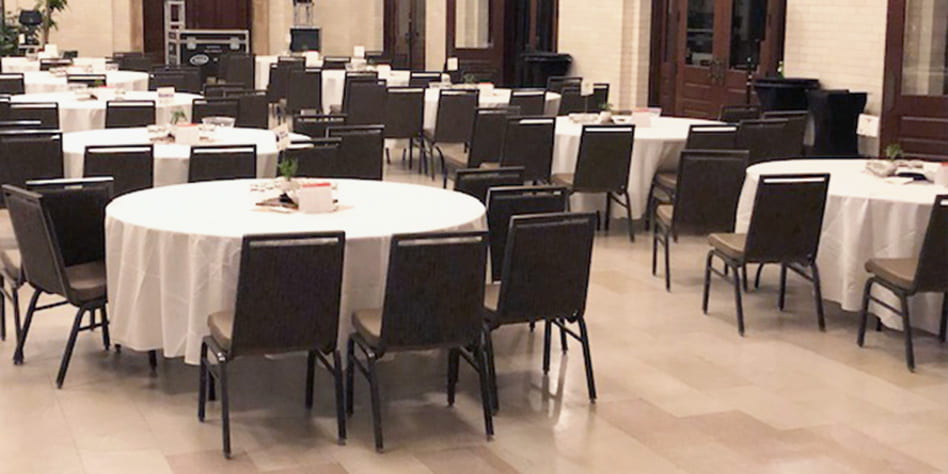
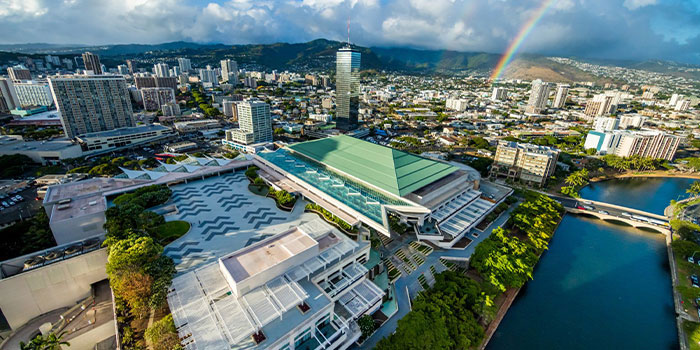
As 2026 approaches, designers and decision-makers in hospitality, event centers, and commercial facilities are rethinking how spaces look, feel, and function. The post-pandemic years have accelerated changes in color, texture, and functionality. The past five years have also increased the demand for furniture that’s both flexible and sustainable.
At MityLite, we’ve been watching commercial furniture trends closely through conversations with our customers, vendors, and industry leaders. Here’s our take on the top design trends that will define hotels, restaurants, and commercial spaces in 2026.
1. Warmer, Comforting Color Palettes
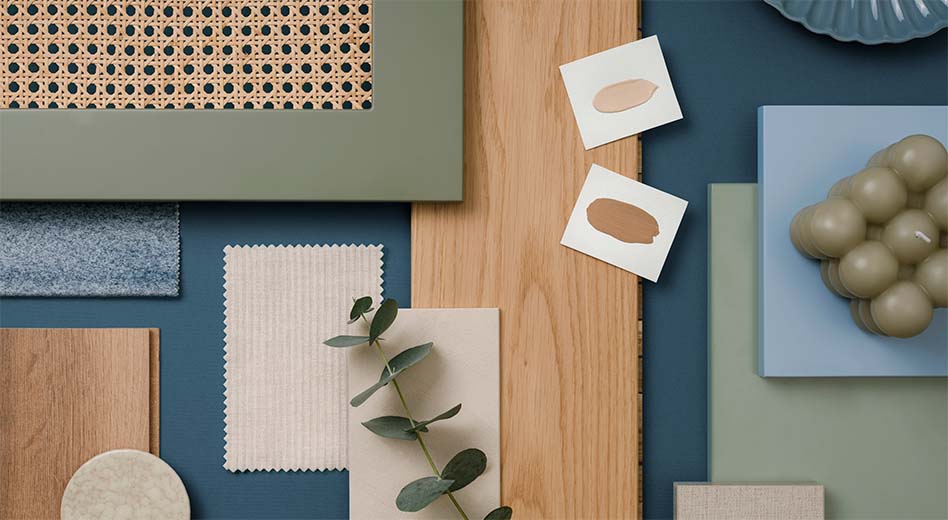
Cool gray and stark white have had their moment. In 2026, expect a return to warmth. Instead of the stark neutrals of white, gray, and black that we’ve seen in the last decade, designers are leaning into the richness of natural wood and earthy colors like beige, soft browns, caramel, clay, and antique cream. Warmer neutrals help create spaces that feel inviting and grounded. These nature-inspired neutrals are often chosen in high-quality, enduring materials like wood and soft fabrics.
This shift to warmer hues and earthy neutrals helps create hospitality and dining spaces where comfort and connection are top priorities. Accent colors like terracotta, muted greens, and deep navy complement these neutrals, adding depth and visual interest without overwhelming the room.
2. Sustainability as Standard
Sustainability is no longer an add-on — it’s an expectation. Buyers are prioritizing materials that reduce environmental impact without sacrificing style, such as responsibly sourced wood and recycled textiles. The growing distaste for “fast fashion” has extended to interior design, with consumers expecting that companies they patronize will choose sustainable, durable products instead of cheap, disposable furnishings.
MityLite has long focused on durable products that last for years, reducing waste. All our hardwood chairs are made with 100% FSC® Certified wood. We use recycled content whenever possible — a commitment demonstrated by our flagship ABS Tables, which are made of 80% recycled material.
To further our commitment to sustainability, MityLite continues to align with fabric partners like Momentum Textiles, Reid Witlin, CULP Contract, and Mayer Fabrics — companies that are leaders in sustainable textile innovation.
3. Flexible, Multi-Functional Spaces
Properties are maximizing their booking potential by planning flexibility into their spaces. Whether it’s a hotel ballroom that transforms from a conference setup to a wedding reception venue, or a restaurant that needs stackable chairs to adapt to fluctuating capacity, flexibility is key to profitability.
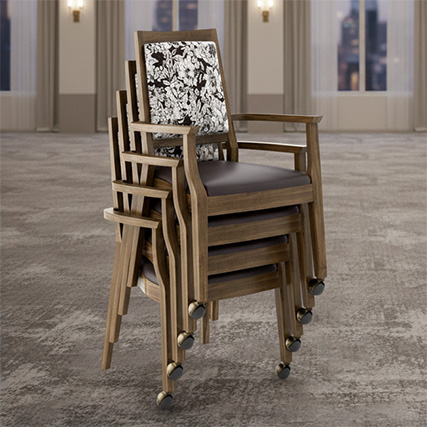
In 2026, properties will increasingly invest in:
- Stacking banquet chairs for quick room flips
- Lightweight, stylish folding tables that maintain durability
- Modular furniture that adapts to both intimate and large-scale gatherings
- Compact storage solutions that maximize space efficiency
Facilities that prioritize versatile, movable furniture will be positioned to generate more revenue through diverse event offerings.
4. Fabric and Texture Play
Texture is emerging as a star design element in 2026. Soft chenilles, plush velvets, and bouclé fabrics will appear in hospitality spaces, bringing tactile richness and comfort. Meanwhile, performance fabrics remain essential, especially in high-traffic spaces like restaurants, conference centers, theaters, and ballrooms.
MityLite offers over 1,000 fabric options in a variety of textures and colors, ensuring upholstery that is both beautiful and functional. Our sales representatives are experts at finding fabrics for commercial properties that offer stain resistance and long-term durability with trend-forward looks.
5. Blending Natural and Industrial
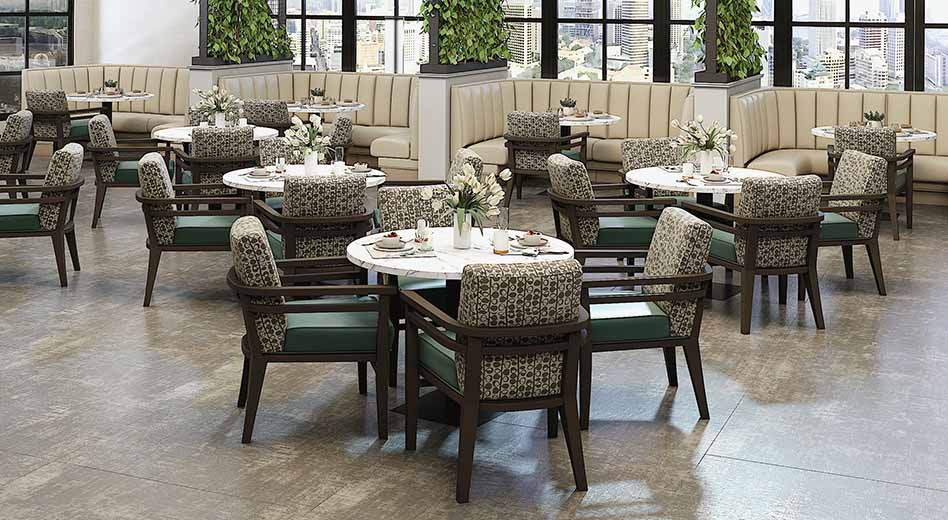
Commercial spaces are increasingly striving for a balance between the raw and the refined, and in 2026 this trend will continue to take center stage. Designers are moving away from extremes—neither fully rustic nor overly modern—and instead are creating spaces that merge warmth with sophistication. Expect to see hardwood furniture with visible grain patterns paired with sleek metal accents, such as black steel or brushed brass.
Upholstered cushions will be layered against smooth laminates, hardwood, or glass, giving interiors both texture and polish. Earthy color schemes—warm browns, muted greens, and soft creams—will provide a grounding base, while clean architectural lines add structure and refinement. The result is an aesthetic that feels both approachable and upscale, making restaurants and commercial spaces feel welcoming without sacrificing professionalism.
This combination of natural and industrial elements also speaks to sustainability and longevity, as customers increasingly value furniture that feels authentic, durable, and thoughtfully designed.
6. Wellness-Centered Design
Guests and employees alike are placing higher value on environments that support well-being. For furniture, that means:
- Ergonomically designed chairs for comfort during long events or meals
- Fabrics and finishes that contribute to healthier indoor air quality
- Layouts that allow for both social connection and personal space
MityLite’s focus on comfort and performance ensures furniture plays an active role in enhancing wellness for every occupant.
7. Technology-Integrated Spaces
As AV integration and digital experiences continue to expand, furniture will play a supporting role. Expect charging ports, moveable seating for hybrid events, and furniture designed to work seamlessly with staging, lighting, and sound equipment. Facilities that integrate furniture and technology will stand out to meeting planners and guests alike.
Looking Ahead
Design trends in 2026 are all about creating spaces that feel warmer, smarter, and more adaptable. Sustainability, flexibility, and tactile richness will be the guiding forces shaping hotels, restaurants, and commercial facilities.
At MityLite, we’re proud to be at the intersection of these trends—offering thoughtfully designed furniture solutions that help venues of all kinds thrive. Whether you’re a designer, hotel owner, or facilities manager, we’re here to help you furnish for today’s needs and tomorrow’s opportunities.

Ready for a quote?
Chat with a dedicated sales rep today!