Savvy buyers look beyond the initial purchase price. They know that the lowest upfront price can quickly become the most expensive option in the building.
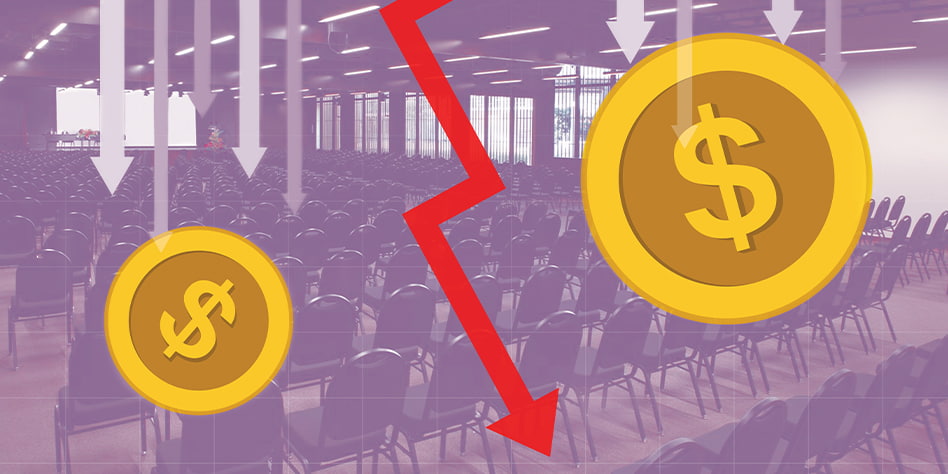
The furnishings looked fine when they arrived at the auditorium. The pristine frames and fresh upholstery complemented it well. Three years later, the faded fabric tears at the seams, and the chairs wobble during performances. Scrapes and dents pockmark each leg. The facility team must submit another request and document the need to replace the battered pieces. If the city budget office approves a purchase, it will still take months to get the new furniture in place.
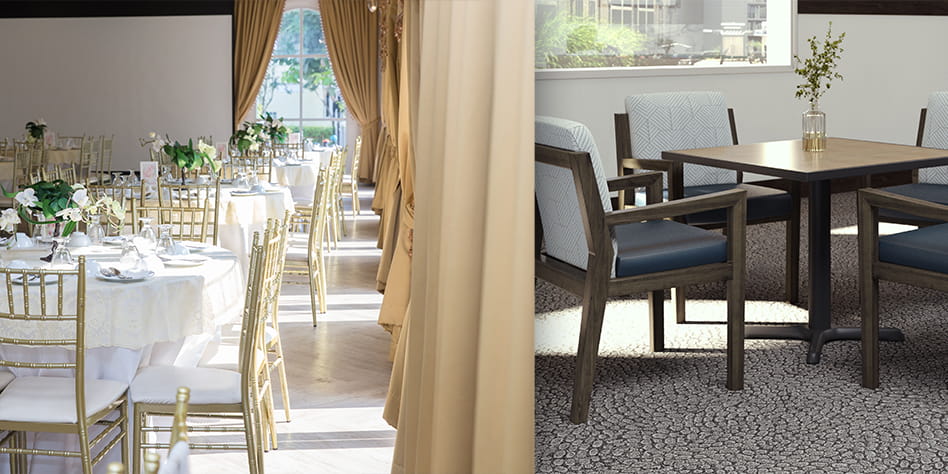
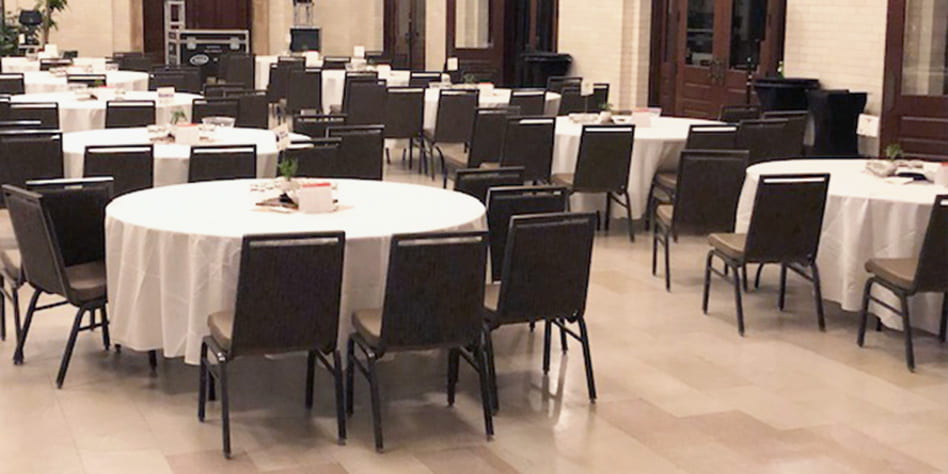
Government facilities like civic centers or libraries rarely purchase furniture for short-term use. In high-traffic spaces, commercial grade furniture must endure constant movement to support daily operations. Conference centers transition between events overnight. Training rooms reconfigure throughout the week. In public assembly spaces, years of repeated cleaning, storage, spills, and stacking take a toll on its furniture.
Upfront Costs Skip the Rest of the Story
Facility planning requires 3D vision; you must calculate what worked (or didn’t work) in the past, what fits today’s needs, and consider what will continue to look great years down the road. The initial price tag is only one cost you evaluate.
Public-use environments place enormous strain on furniture through constant wear-and-tear. Products not designed for heavy use often deteriorate quickly, creating repeated replacement cycles that continue to drain your facility’s budget over time.
The damage usually starts small. A chair leg loosens during a public meeting. Table edges begin to crack and warp after years of repeated setups. Scratched surfaces and faded finishes slowly create a mismatched, inconsistent appearance throughout the facility.
Your staff spend additional hours coordinating repairs, processing replacement orders, receiving shipments, and removing damaged products from service. Over time, these disruptions increase operational costs far beyond the original purchase price.
That is why government buyers must evaluate the full lifecycle of a product, including durability, maintenance needs, replacement frequency, warranty protection, and long-term performance. The lowest upfront price does not always deliver the lowest long-term cost.
Before purchasing furniture for a public space, ask a different question: how will this product perform years from now after constant daily use?

Commercial-Grade Furniture Is Built Differently
Many of us had grandparents with a formal living room with vacuum lines on the carpet, polished side tables, and plastic over the couch to preserve it for years. The kids weren’t allowed in that space. That’s one way to retain your furniture’s appearance. But for demanding public environments, that’s not a viable option.
Because we can’t throw plastic over everything in the conference center, we engineered commercial-grade furniture. Chairs need to move constantly between rooms. Tables must roll away after meetings. Cleaning crews stack and store furniture between events. Community spaces absorb years of spills, movement, storage, and heavy daily use. We built commercial-grade furniture for exactly that kind of environment. Essentially, we want to invite the grandchildren into the formal living room with drippy popsicles. Commercial grade furniture can hold up to years of rough handling.

These environments place continuous pressure on furniture every day:
- Conference centers
- Public assembly facilities
- Government buildings
- Community centers
- Multipurpose event spaces
- Training rooms
- Civic meeting areas
Instead of treating furniture as an “I-need-it-now” expense, find a more stable 3D investment strategy using pieces with longer warranties that give you additional protection.
Long-Term Reliability Protects Public Funds
In the public sector, you act as an accountable steward for the taxpayers’ money. You must defend your decisions. When the city library requests replacement furniture, you need to analyze and explain: Why replace existing inventory? Why choose a higher-priced option? How long will the product last? Will it reduce future replacement costs? And, as you navigate the opinions of boards and trustees, you must show that your decision is a responsible use of public funds.
The pressure of public trust may naturally push you toward the lowest upfront price. On one-dimensional napkin math, the cheap furniture appears to be the clear winner. It justifies your budget. But in practice, repeated replacement cycles create additional costs. For government spaces that serve the public every day, durability reduces recurring problems, supports operational consistency, and makes a smarter long-term investment using public resources. Commercial grade furniture not only solves the napkin math; it shows that you care enough to avoid future problems for your community spaces.

Smart Spending Starts with Durability
Before purchasing furniture for high-traffic public environments, put on your 3D lenses. Instead of wondering what happened to your auditorium chairs after only a few years, consider which investments will keep you from making the same mistake again. Quality furniture continues to perform years down the road, even without a sheet of plastic in place.
Smart spending begins with durable, commercial furniture. And side note: The highest quality is almost never the lowest upfront cost.

Ready for a quote?
Chat with a dedicated sales rep today!