As we age, our bodies undergo changes that affect how we move, sit, and interact with our environment. That’s why selecting the right furniture—especially chairs and dining tables—for senior citizens isn’t just about style or even comfort. It’s about safety, support, and promoting independence.
Understanding Common Health Concerns in Seniors
When choosing furniture for elderly individuals, it’s important to understand the most common health issues they face. The biggest concern is fall prevention. According to the CDC, falls are the leading cause of injury among older adults, and many happen at home while sitting down or standing up. The following common age-related concerns of the elderly can all contribute to an increased need for furniture that prioritizes stability, ease of use, and physical support.
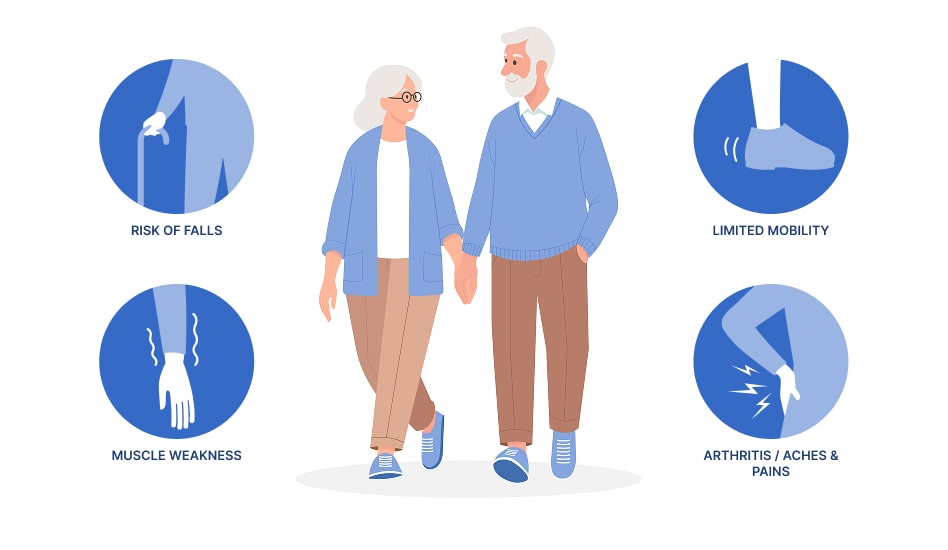
Common age-related concerns of the elderly
- Falls. One in four people over the age of 65 have a fall each year, and 36% end up in the hospital as a result.* Falls are the leading cause of injury among older Americans. There is so much that can be done to prevent falls, including designing with seniors in mind and ensuring furniture is sufficiently supportive.
- Arthritis. Arthritis affects joint flexibility and causes pain, particularly in the hands, knees, and hips.
- Osteoporosis. This degenerative disease makes bones fragile and more susceptible to fractures from even minor falls.
- Aches and pains. Back pain can be caused by degenerative disc disease, improper seating, arthritis, poor posture, or many other issues. The wrong chairs or couches can make backaches worse.
- Muscle weakness. Upper and/or lower body muscle weakness can make standing from a seated position more difficult. Offering chairs with armrests and encouraging daily exercise can help older individuals maintain independence.
- Vision problems. Over a quarter of adults over age 71 experience some type of vision impairment. This can include macular degeneration, cataracts, reduced depth perception, sensitivity to glare, and reduced clarity in distance and near vision. Vision problems can make it hard to see furniture edges or flooring transitions.
- Vertigo. Feelings of dizziness, nausea, or imbalance can make movement difficult. Medications, eye conditions, or inner ear problems can trigger feelings of imbalance.
- Limited mobility. Overall decrease in the ability to walk, bend, move, sit, and stand could be related to previous falls, strokes, surgeries, or from chronic conditions like Parkinson’s disease.
- Shuffling gait. A shuffling gait or unsteady walk can be seen in individuals who don’t lift their feet off the floor when walking, or who experience shakiness or unsteadiness when walking. These conditions can be associated with Parkinson’s disease, essential tremor, and other neurological conditions; medication side effects; dementia; or even stress and anxiety.
What to Look for in Senior-Friendly Furniture
When furnishing a home, retirement community, or senior care facility, there are several key elements to consider when selecting furniture that helps create a safe, beautiful, and supportive environment.

1. Chairs with Armrests Are Essential
Armrests aren’t just a nice-to-have or a comfort feature—they’re a necessity for many seniors. They provide leverage and support when sitting down or standing up, reducing strain on the knees, hips, and back. Look for armrests that are sturdy and at a supportive height, which for most adults is 9-10 inches above the seat. Adjustable armrests will be helpful for shorter or taller individuals. Armrests need to be easy to grip in order to be used for mobility support. Some people appreciate having armrests that are padded, but make sure the padding is supportive enough.
2. Comfortable yet Supportive Seat Cushions
Soft, overstuffed seating may seem inviting, but it can make it harder for seniors to rise unassisted. For optimal safety and support, you will want to choose chairs with cushions of medium firmness that provide support while maintaining comfort. In addition, cushions that are too firm or too soft can cause aches in the back and hips. Likewise, make sure that seat cushions in chairs or couches are well maintained; if cushions break down and lose their spring, it can be difficult for aging seniors to rise from sitting and can contribute to the risk of falls.
3. Proper Seat Height and Depth
A seat that’s too low increases the risk of falls when standing, while one that’s too deep can strain the back and legs. The ideal chair seat height is 18-19′′, and the depth should allow the user to sit with feet flat on the floor and knees at a right angle. To provide stable and comfortable seating, you will need to provide special seating for residents who are shorter or taller than the standard range of adults in the US, which is between 5′ 4′′ to 5′ 10′′ (63 to 70 inches or 160 cm to 177 cm).
4. Non-Slip Legs and Sturdy Construction
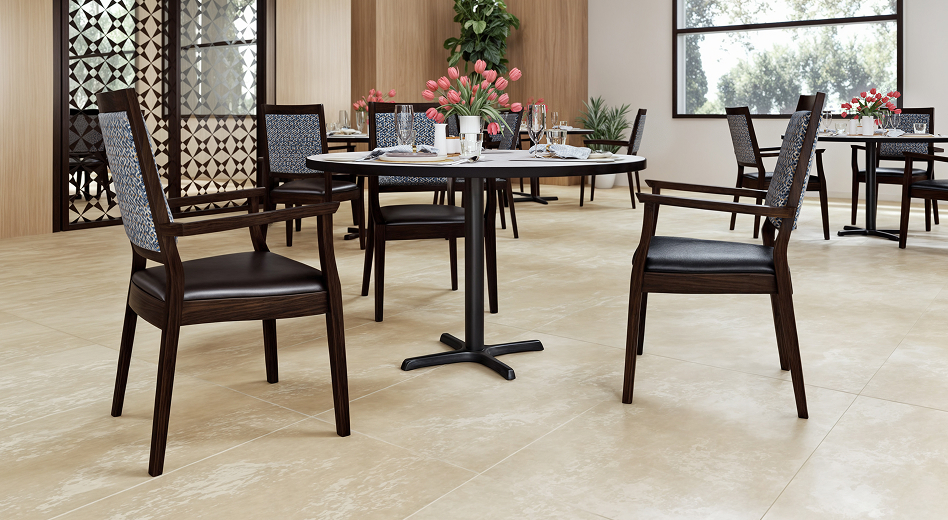
Chairs and tables should have non-slip feet or rubberized glides to prevent shifting or slipping if they are used as support when residents lean on them. Avoid lightweight or wobbly furniture that might tip or move unexpectedly. Wooden chairs with reinforced joints and solid frames are an excellent choice.
5. Dining Tables with Rounded Edges
To prevent bruising or injury, opt for tables with smooth, rounded corners. Sharp corners can be a hazard, particularly since some elderly residents may experience visual problems or could be wobbly on their feet. When selecting table heights, ensure that there’s enough clearance under the table for walkers or wheelchairs. Most guidelines require at least 27′′ of clear space from the floor to the underside of the table (uninterrupted by table legs) for wheelchair clearance. Choosing tables with 30′′ of clearance is ideal; alternately, you can select tables with adjustable heights.
According to ADA standards, tables must have a minimum height of 28′′ (71.1 cm) and a maximum height of 34′′ (86.3 cm) to allow for sufficient leg clearance for individuals in wheelchairs. Additionally, the space beneath the table should be at least 27′′ high, 30′′ wide, and 19′′ deep to ensure that wheelchairs can fit comfortably.
6. Easy-to-Clean, Durable Materials
Furniture in senior living centers needs to be as stain-resistant and spill-proof as possible. Laminate tabletops or ABS plastic tables are ideal for senior living. Upholstered furniture should use stain-resistant, antimicrobial fabrics, and wooden surfaces should be sealed for easy cleaning. This helps maintain hygiene while reducing maintenance.
7. Lightweight & Easy to Use
When selecting furniture for senior living, remember that some chairs will need to be moved around occasionally. In dining areas, chairs will need to be pulled out and drawn up to the table. They can either be lightweight enough for your residents to lift, or they can be sturdy chairs with high-quality floor gliders or in-line wheels to make sliding up to the table easier.
Free Senior Living Brochure
Discover how furniture solutions by MityLite can enhance your senior living space today.
Tables Designed for Seniors
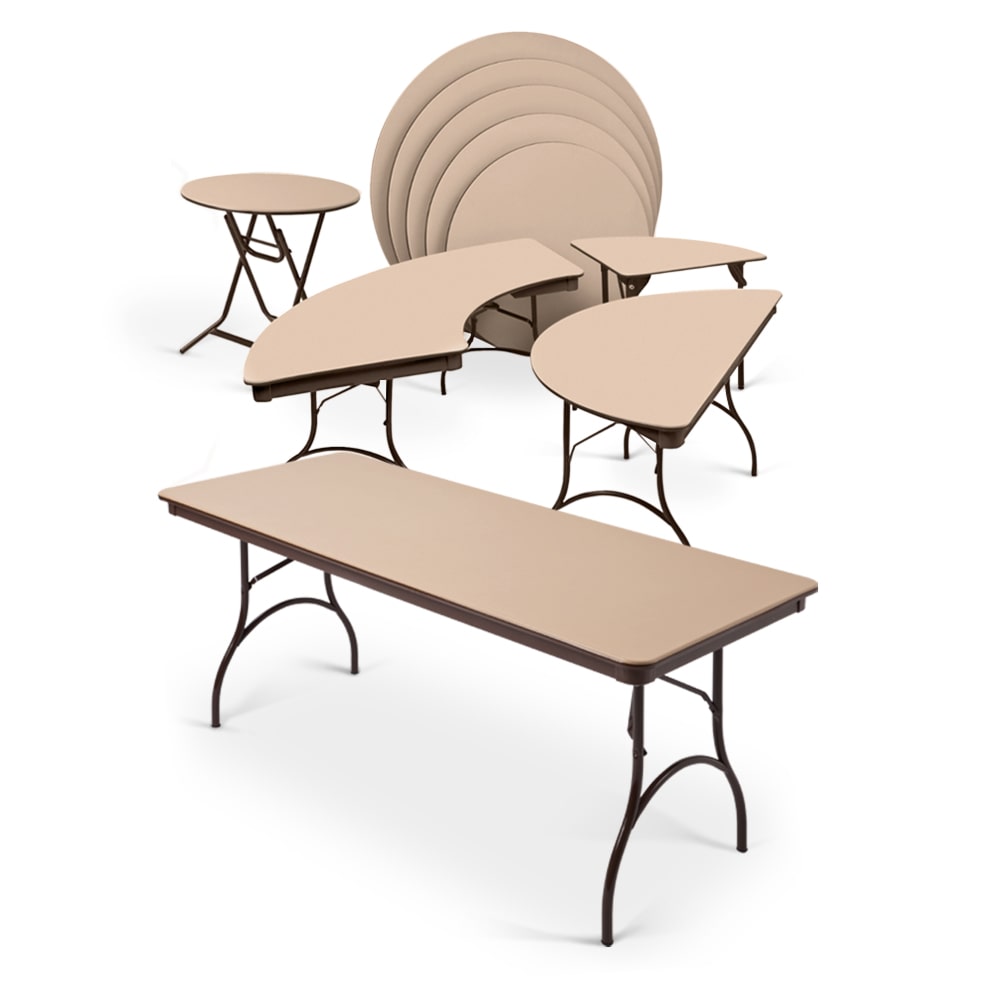
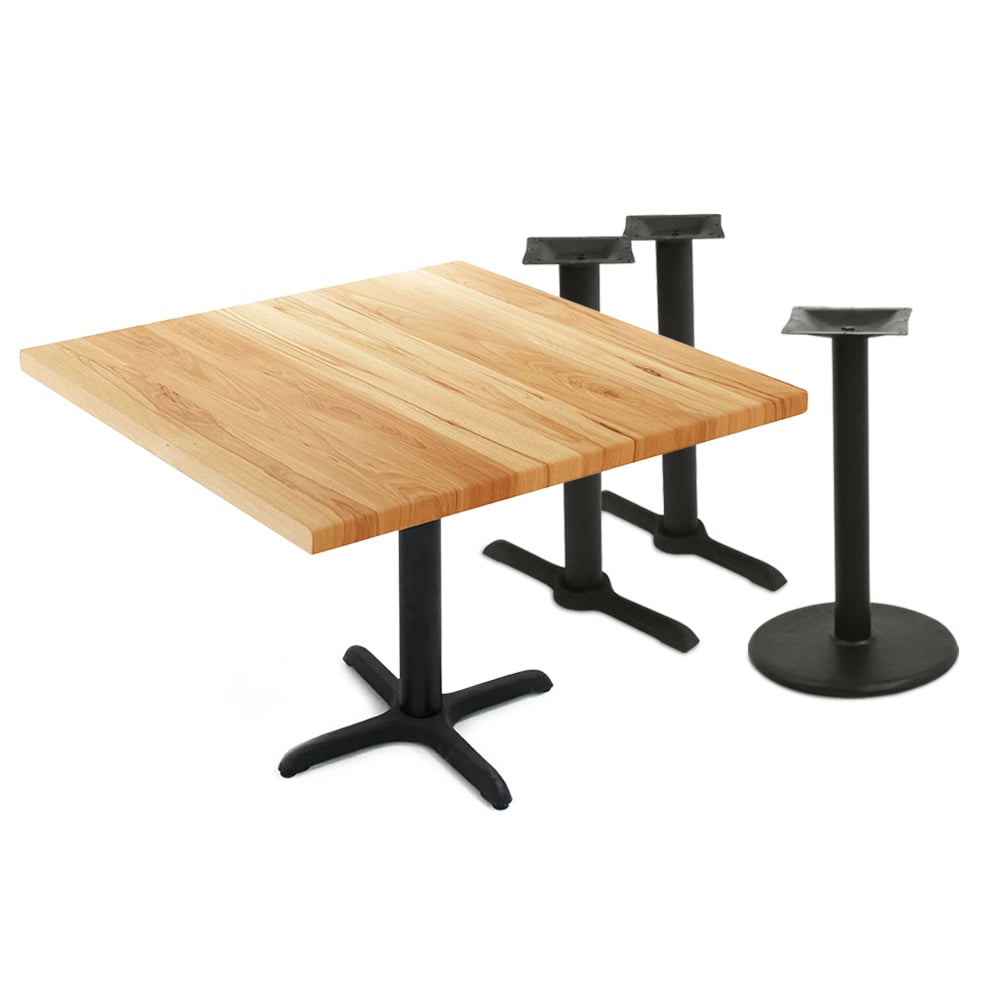
When selecting tables for senior living environments, it’s crucial to get tables that are sturdy enough to not collapse when individuals lean on the table for support when standing up from the table. You will want to find folding tables with a high weight limit (over 1,800 lbs.). It’s also important to select tables that are stable, with folding legs that lock in place when set up and that have skid-resistant feet.
Popular Tables for Senior Living Environments
 |  |  |
|---|---|---|
|
|
|
Chairs Designed for Senior Living Environments
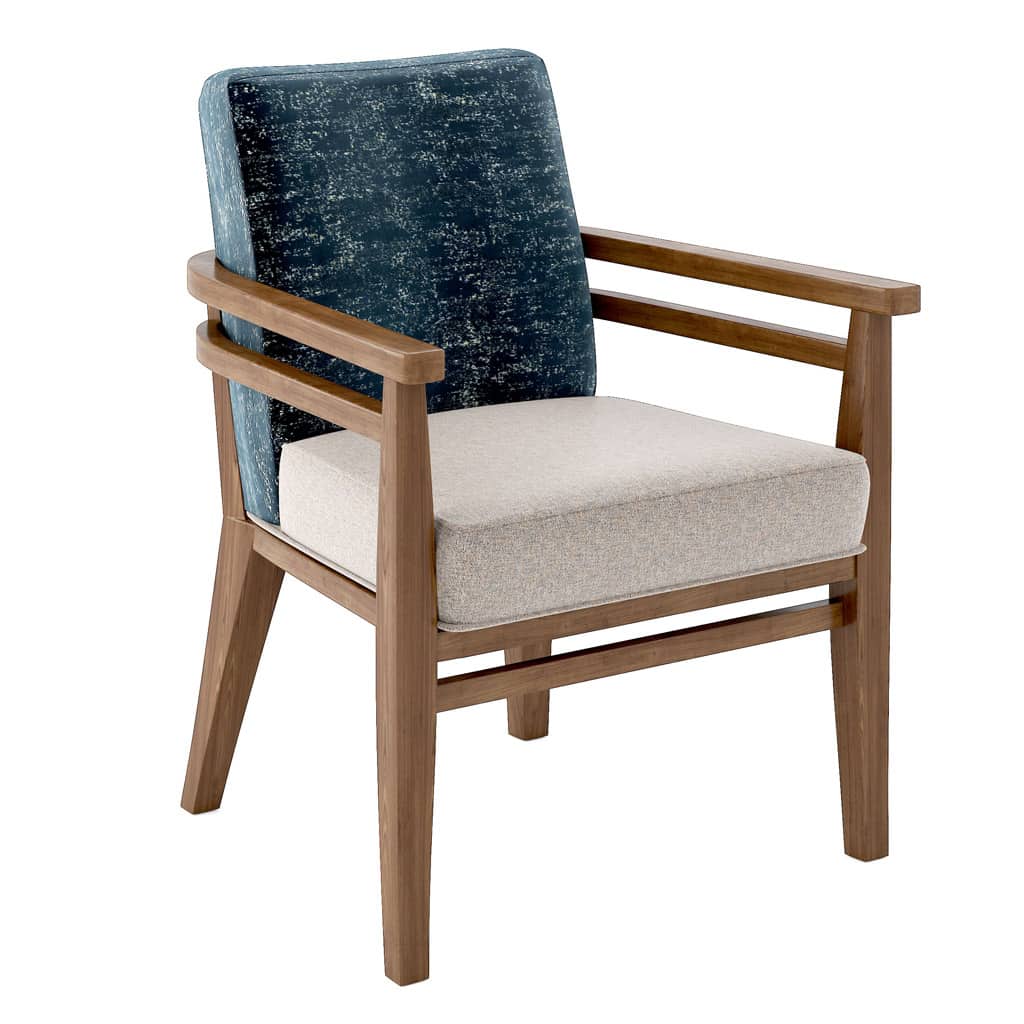
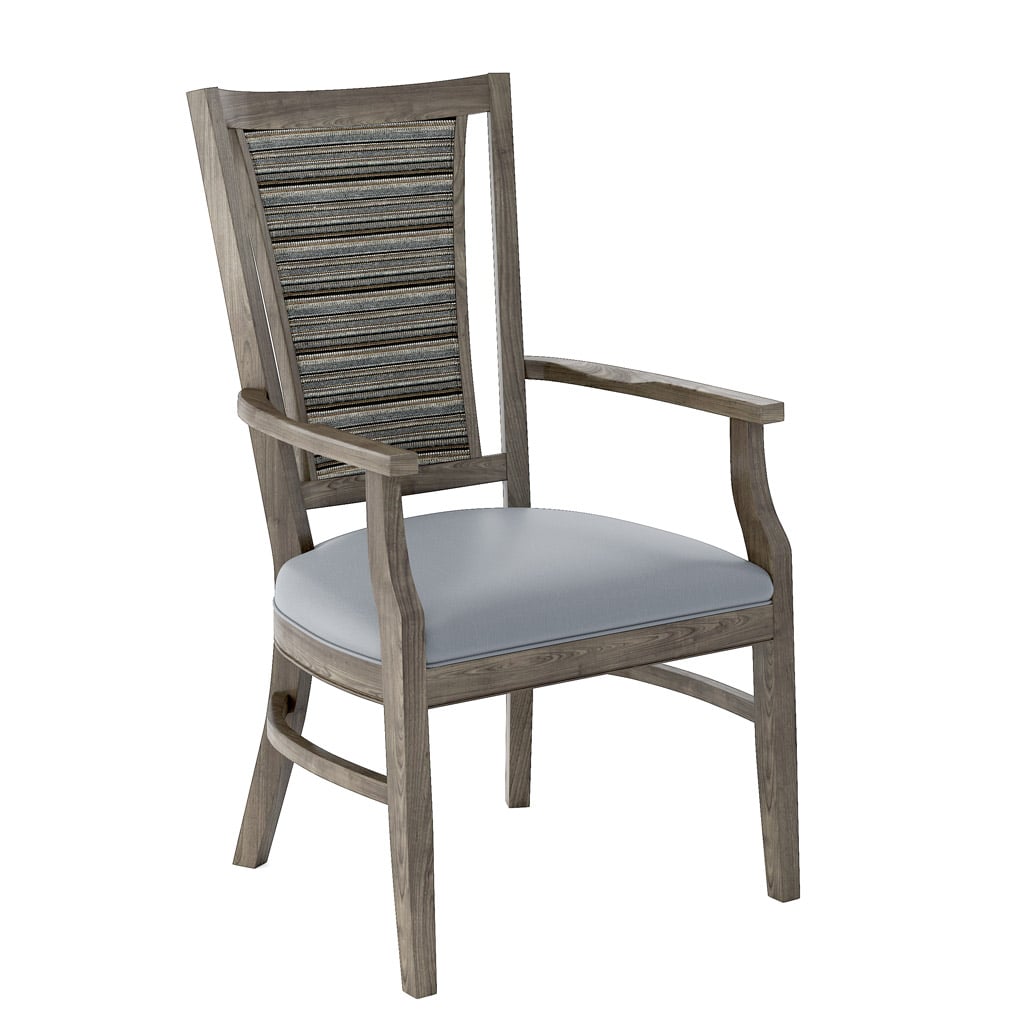
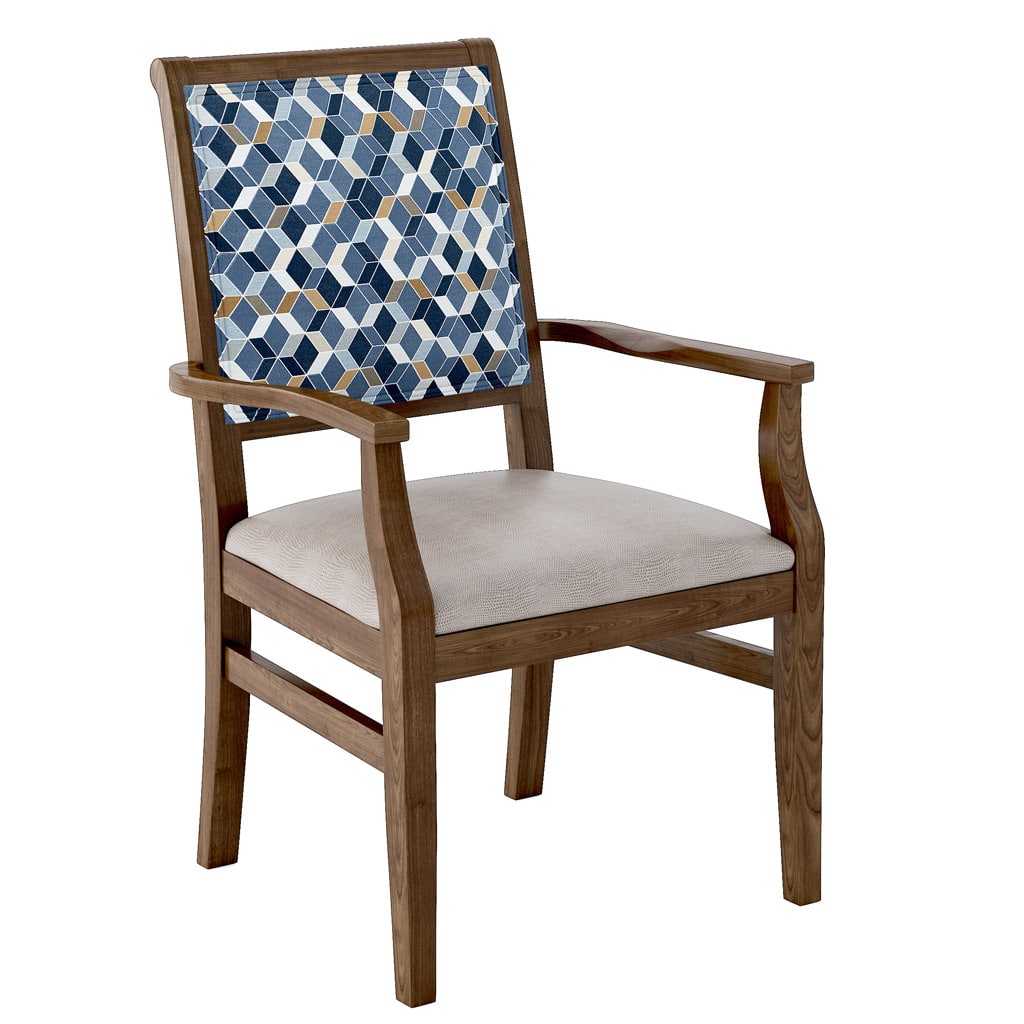
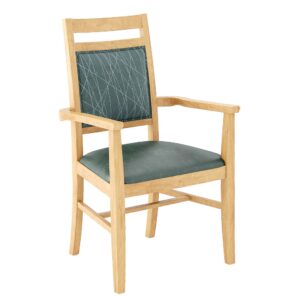
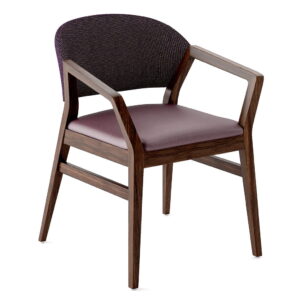
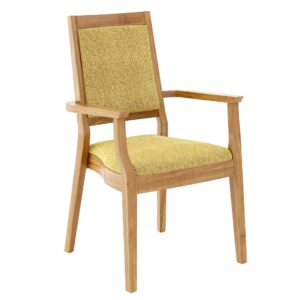
All of our hardwood chairs are built from sustainably sourced, FSC® Certified European Beechwood with mortise and tenon joints. Chairs are customizable with your choice of over 1,000 fabrics and 22 wood finishes. They feature sturdy hardwood construction with cushioned seat and backrest that deliver exquisite comfort.
Popular Senior Living Chairs
Conclusion
The right furniture is essential to the safety, comfort, and quality of life for older adults. By prioritizing practical features like armrests, proper support, and stability, you can create inviting living, dining, and sitting room areas. The right furniture helps seniors avoid falls and maintain dignity and independence in their everyday routines. At MityLite, we specialize in building chairs and tables that meet the unique needs of aging adults in group living environments. Contact us to learn more about customization options or to get a quote on outfitting your senior living property.

Ready to explore furniture options?
Sources
- DeVilbiss Healthcare, “General Fall Statistics.” https://media.drivemedical.com/fall-prevention-general-fall-statistics.html
- National Council on Aging, “Falls Prevention Debunking the Myths of Older Adult Falls,” June 26, 2024. https://www.ncoa.org/article/debunking-the-myths-of-older-adult-falls/
- CDC, Older Adult Falls Data, October 28, 2024. https://www.cdc.gov/falls/data-research/index.html
- Kakara RS, Lee R, Eckstrom EN. Cause-Specific Mortality Among Adults Aged ≥65 Years in the United States, 1999 Through 2020. Public Health Reports. 2023 March;139(1):54–58. DOI: 10.1177/00333549231155869.
- Centers for Disease Control and Prevention, National Center for Injury Prevention and Control. Web–based Injury Statistics Query and Reporting System (WISQARS)