Every event has a timeline.
When event setup runs long, the time for everything else compresses. Small delays breed larger problems that affect the entire event. Your team works hard to stay on schedule. This isn’t a conversation about effort. It’s about efficiency.
As a professional, you need a solid event planning checklist that helps you spot the friction points that slow down your setup and how to remove them before they implode your timeline.
Event Setup Problems That Slow You Down
Most setup challenges trace back to the same few issues. Staff move back and forth more than they should. Furniture takes more effort to lift, stack, or position. Layout changes require more steps than expected. Storage areas create bottlenecks.
When you look closely at your setup process, you start to see patterns. The same delays happen in the same places during each event. They drag out the preparation. The good news is that we have a clear solution for each of these friction points.
Pull out that master checklist. Let’s examine your processes and eliminate as many stumbling blocks as possible.
1. You’re Making Too Many Trips Back and Forth
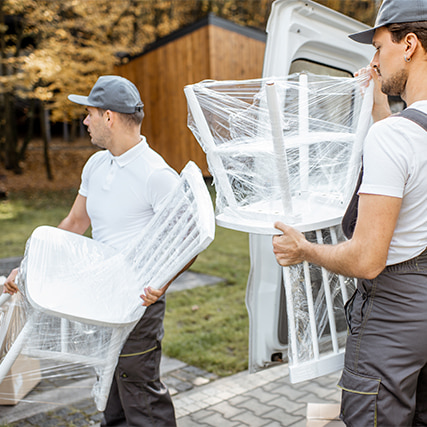
Every extra trip across the room adds inefficient time lag to the setup. It may not seem like much at all. But when your team moves chairs, tables, and equipment in small handfuls, the setbacks compound into massive problems.
Ask yourself:
- Does your staff carry in a few chairs, set them down, then head back for more?
- Do they move tables one at a time instead of moving several at once?
If so, your team could be wearing out an unnecessary footpath between storage and the event floor.
When your team spends more time walking in a constant loop than setting up, efficiency drops. Labor costs rise, even though everyone stays busy.
Your solution? Move more in fewer trips.
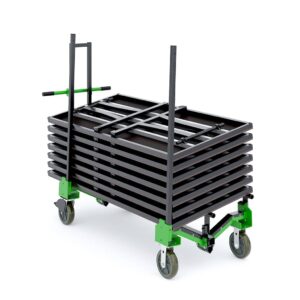
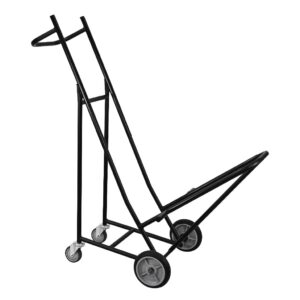
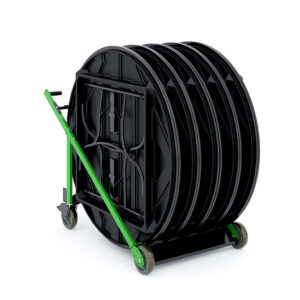
Equip your team with transport tools that change the pace of the entire setup. Invest in carts that allow your staff to move larger quantities at once. Reduce unnecessary walking and keep the process moving forward.
This is not the time to get your steps in for the day. Setup is a time to be as efficient as possible.
2. Your Furniture Slows Your Team Down
Not all furniture encourages fast event setups. Some pieces look great in place but create a problem the moment your team needs to move them.
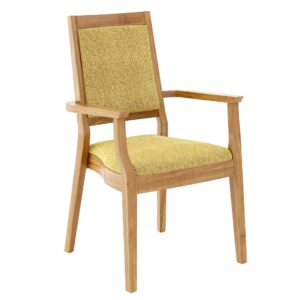
Heavy chairs slow stacking. Awkward frames make it harder to grip and carry. Physical fatigue comes at a cost. When you wear out your team, you miss your deadlines.
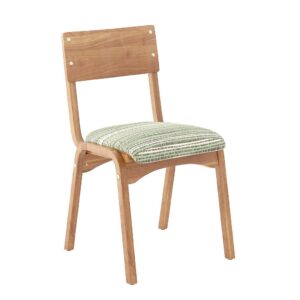
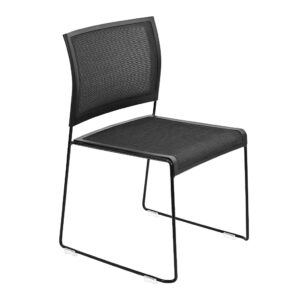
Your solution? Lightweight stacking chairs.
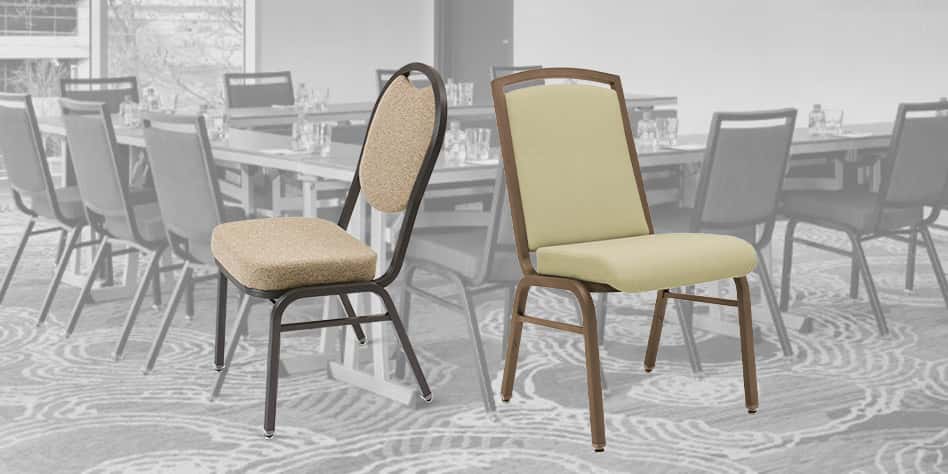
Furniture should support effortless movement. Lightweight stacking chairs allow your staff to move quickly and efficiently. They reduce strain, improve speed, and make it easier to maintain consistency across setups.
When the furniture works, everything works.
3. Complicated Layout Changes Take Too Long
Every event demands a different layout. What worked for a banquet may not work for a breakout session or a conference setup.
Without the right furniture, each transition feels like you’re starting at square one. You break apart tables, move them, and set them up in a new configuration. Your staff waits for space to clear before they continue. Small delays ripple through the entire process.
When you have a tight window, those time-consuming transitions drain any buffer time.
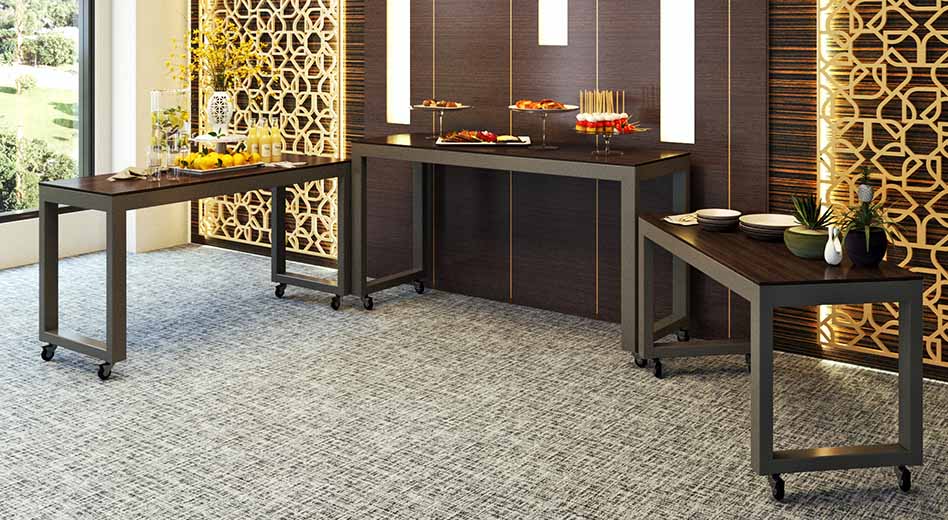
Your solution? Try nesting tables.
Fewer setup steps = efficiency. Nesting tables allow you to reconfigure the room with less effort. Instead of breaking everything down, your team shifts and repositions with speed and control, adapting quickly to a new dynamic. That kind of flexibility shortens turnaround times and keeps your events running on schedule.
4. Service Areas Aren’t Flexible
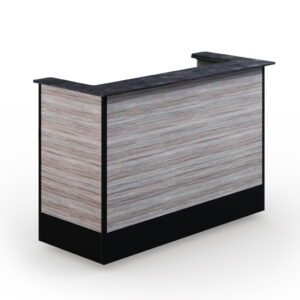
Service setups often create delays. When bars or service stations stay fixed in one location, your team must work around them. Bulky obstacles lead to inefficient traffic flow, and (no surprise!) added setup time. You need versatility. Your space should serve as many purposes as possible. A fixed setup limits your options and slows your response.
Your solution? Flexible service solutions.
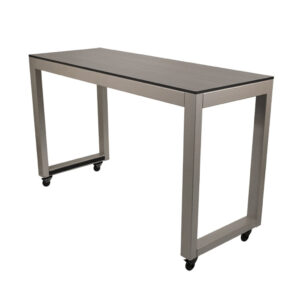
A mobile bar gives you more control. Give your team the freedom to set up a service station where it makes the most sense for each event. Reduce the need for workarounds and help the room function efficiently with more intuitive layouts.
5. Your Storage Setup Works Against You
Storage should make setup easier. In many venues, it does the opposite.
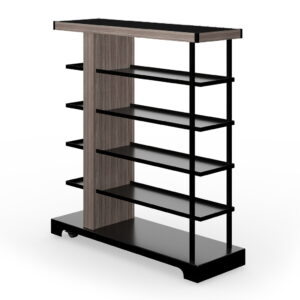
Chairs stack in ways that block access. Tables sit in areas that create congestion. Staff spend time locating and organizing items before they can even begin setup.
These delays affect every aspect of your operation.
Your solution? Efficient storage.
Remove one of the biggest barriers to speedy setup. Give yourself clear pathways, logical organization, and the right equipment that allows your team to move in and out of storage areas. MityLite compiled a free storage guide to offer practical tips to improve the flow of your storage facility. Download yours today and take a closer look at your storage setup.

Upgrade Your Storage Setup
Get MityLite’s free Storage Guide for simple, effective ways to improve efficiency and organization.
Use Your Event Planning Checklist to Create an Efficient Process
A traditional event planning checklist focuses on what needs to be done. You check off each task as it’s completed. This planning list is slightly different. We want you to notice what your team should not have to do:
- They should not need to make extra trips across the room.
- They should not struggle with heavy, awkward furniture.
- They should not lose time working around inefficient layouts or disorganized storage.
When your furniture and storage support your team, those “tasks” disappear. Cross them off your list forever. Save yourself time. Reduce the strain on your team. Create a space that performs as well behind the scenes as it does in front of guests.
When you do, efficiency becomes the new standard.

Ready for a quote?
Chat with a dedicated sales rep today!