Whether furnishing a hotel banquet hall, a busy restaurant, a government building, or a school cafeteria, durability and safety are non-negotiable. Chairs, tables, and other high-use furniture must perform under constant wear, heavy use, and frequent movement. That’s where BIFMA/ANSI testing standards come in. At MityLite, we test products to ensure that they will withstand commercial use. All MityLite tables and all US-built chairs meet or exceed BIFMA/ANSI standards.
The Real Risk of Furniture Failure
One of the greatest concerns in public spaces is chair failure — when a chair collapses, breaks, or gives way while a guest is seated or in the process of sitting down. Not only is this an embarrassing and unsettling experience for your guests, but it can also lead to serious injuries and legal nightmares. A single incident can quickly escalate into medical costs, insurance claims, and damage to your facility’s reputation. That’s why BIFMA chair standards are important. If a product passes ANSI/BIFMA testing, you can be confident in its reliability and durability.
What Is BIFMA?
BIFMA stands for the Business and Institutional Furniture Manufacturers Association, the leading organization that develops voluntary safety and performance standards for commercial furniture. In collaboration with the American National Standards Institute (ANSI), BIFMA sets testing standards to ensure furniture is safe, durable, and stands up to heavy use in public areas.
For over a decade, MityLite has been testing all products to BIFMA standards. All MityLite products built in the United States are rigorously tested to ANSI/BIFMA standards; most of the products we sell not only meet but exceed BIFMA standards, thus providing the maximum safety and reliability for our customers.
What Are BIFMA Standards?
BIFMA standards are a set of testing standards designed to prove the durability, safety, and sustainability of office and institutional furniture (including healthcare and educational furniture). BIFMA standards are specifically tailored to test furniture that will be subjected to heavy commercial use. BIFMA standards address the resistance of furniture to wear, impact, and repetitive stress. For example, a chair tested under BIFMA protocols is subjected to thousands of cycles that simulate people sitting, leaning, and moving around in the chair, ensuring it won’t collapse or fail under pressure. Testing cycles replicate approximately 10 years of heavy use.
At MityLite, we have a dedicated testing lab. Nearly all of our products meet or exceed ANSI/BIFMA standards.
Here are the ANSI/BIFMA standards that are relevant to MityLite products in the commercial, contract, and institutional furniture industry.
- For seating: ANSI/BIFMA X5.1
- Seating tests we use at MityLite include: backrest strength test, a drop test (weight is dropped onto the seat), seating durability (where weights are pressed into the chair seat for 140,000 cycles), chair stability (which tests to see if the chair will fall over when tipped back with weighted discs), front stability test, several arm strength and durability tests, chair leg strength, backrest durability, and structural durability test.
- Almost all products meet or exceed standards.
- For tables: ANSI/BIFMA X5.5
- Table tests we use at MityLite include: stability (ensuring it doesn’t tip over), unit strength (high weights are placed on the tabletop), leg strength tests, and the unit drop test.
- All tables meet or exceed standards.

Why Do BIFMA Standards Matter?
Furniture in public spaces should be built to commercial-grade standards rather than residential standards. Commercial-grade furniture must be engineered for greater durability than furnishings intended for home use. For example, in a hotel ballroom, hundreds of guests may sit, stand, or lean on the same chairs in a single evening. A restaurant will host dozens of back-to-back dining parties every evening, using the same furniture. In schools and government offices, furniture is moved, stacked, and rearranged to make room for various events and assemblies.
Furniture built to residential standards may quickly fail under pressure—leading to safety hazards, costly replacements, and a poor experience for your guests or patrons.
BIFMA/ANSI standards help prevent accidents by ensuring:
- Safety: Furniture won’t tip, collapse, or fail unexpectedly.
- Durability: Products withstand heavy use and repetitive stress.
- Consistency: Standards apply across the industry, so you can compare products with confidence.
- Trust: You know the investment you’re making is backed by measurable performance.
- Sustainability: You know that a product has met acceptable limits for VOC emissions, environmental sustainability and stewardship, and social responsibility.
How MityLite Exceeds the Standards
At MityLite, meeting BIFMA standards is the baseline—not the finish line. We design our chairs and tables to go beyond what’s required, providing peace of mind to venue managers and facility operators who can’t afford downtime or accidents.
That means when you choose MityLite, you’re getting products that have passed ANSI/BIFMA standards, which means they’re built for long-term reliability, even in the most demanding environments. All MityLite products (with the exception of a few folding chairs and high-density stacking chairs) have passed BIFMA testing standards.
Why Sturdily Built Furniture Matters for Your Space
- Hotels and Restaurants: Extend the lifespan of your furniture while ensuring guest safety and comfort.
- Government Buildings: Meet strict compliance requirements while saving taxpayer dollars on replacements.
- Schools & Universities: Keep students safe in high-traffic areas with furniture that withstands constant use.
- Public Venues: Manage crowds and events with confidence, knowing your tables and chairs are tested to the highest standards.
- Churches: Benefit the community with seating that can adequately support people with different needs, including bariatric furniture and handicap-accessible seating.
- Hospitals, Clinics, & Senior Living Facilities: Safety is of paramount importance in places of healing and recovery. If furniture fails, injuries can and do happen. Sturdily built furniture protects patients, residents, and caregivers.
Why Commercial-Grade Matters
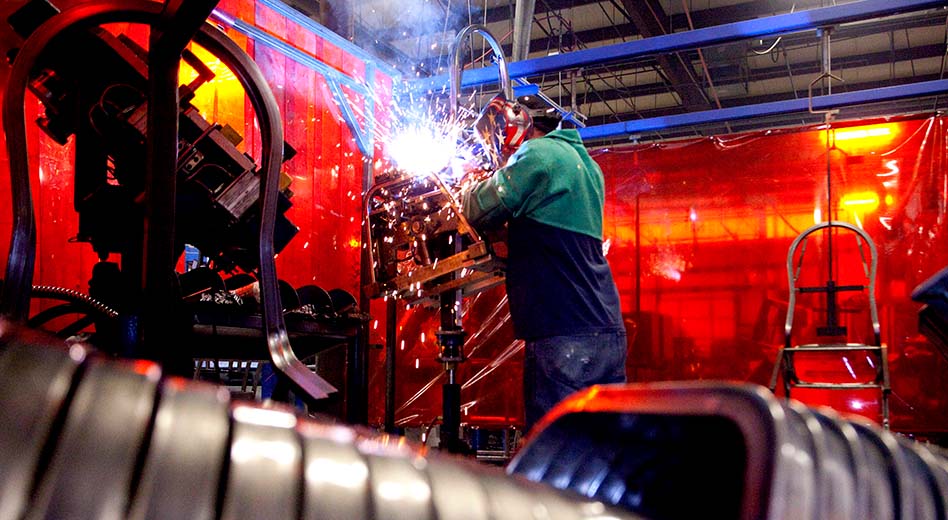
Commercial-grade furniture, especially when tested to ANSI/BIFMA standards, is specifically engineered to handle the weight loads, impact, and stress of high-traffic use. Every weld, joint, and surface is designed with safety in mind. Investing in furniture that carries these certifications ensures you’re providing a secure environment for your guests, staff, and community.
If facilities use residential-grade furniture purchased online, the risk of chairs or tables breaking is more likely. Residential furniture isn’t built to withstand the constant use and movement seen in hotels, restaurants, schools, hospitals, and government facilities. What might work in a dining room at home can be a hazard in a public setting with hundreds of weekly users.
MityLite commercial-grade furniture differs from residential furniture in its weight capacity (which is defined as the ability to support a load without failing). For example, MityLite ABS Folding tables hold more than 6 times as much weight as a standard folding table purchased in a big-box store.
Liability and Peace of Mind
From a legal and financial standpoint, the consequences of furniture failure can be significant. If a guest is injured due to a collapsing chair or unstable table, your organization could face liability claims. Beyond the potential lawsuits, there’s also the cost of lost trust and negative online reviews — guests are unlikely to return to a space where they felt unsafe, or where negative reviews abound.
By choosing commercial-grade furniture that meets or exceeds BIFMA standards, you minimize these risks. It’s not just about durability—it’s about protecting your guests, your staff, and your organization’s reputation.
The Bottom Line
BIFMA/ANSI standards are more than just technical benchmarks—they’re about creating safe, reliable, and lasting environments for people to gather, learn, celebrate, and work. At MityLite, we’re proud to design and test our products not only to meet ANSI/BIFMA standards, but to surpass them.
Products Featured in This Article
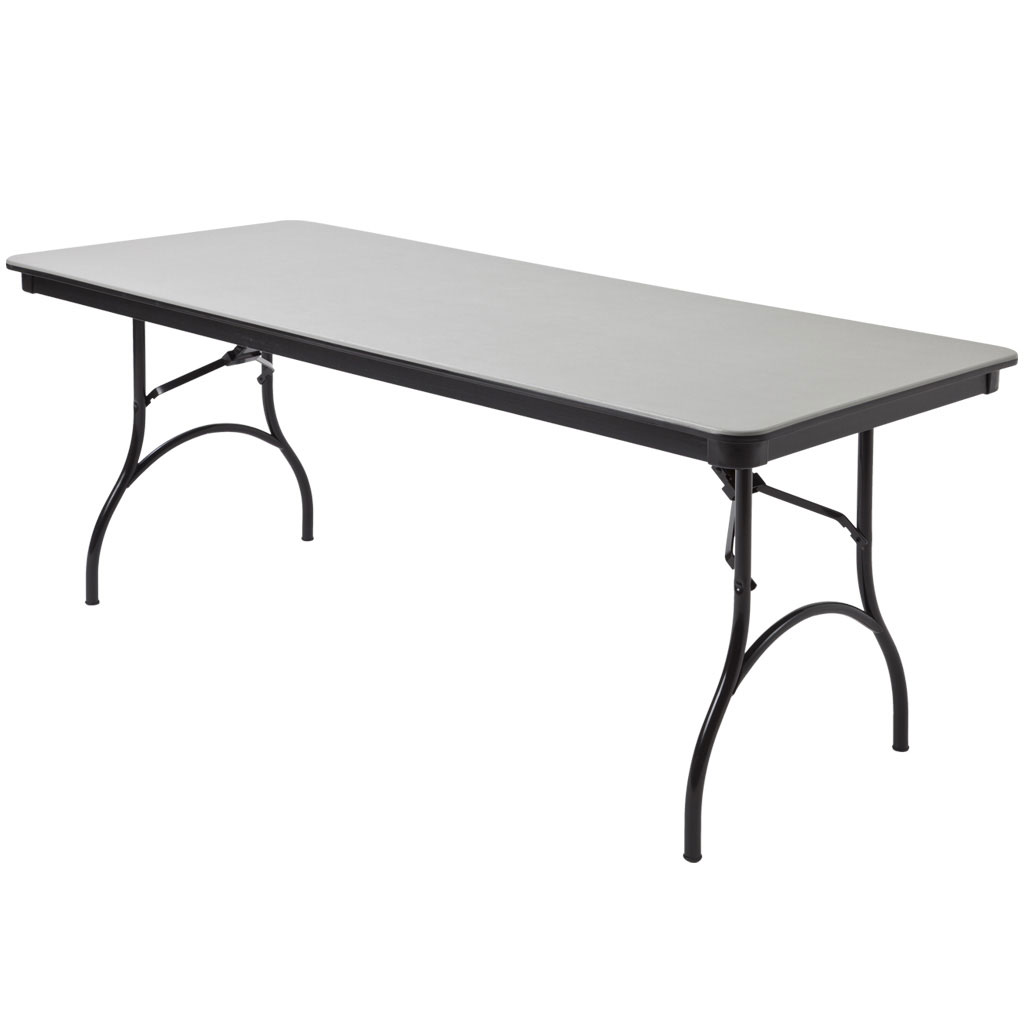
ABS Rectangle Table
13 Table Sizes, 4 Table Heights

Imara Display Table
8 Table Sizes, 4 Table Heights

Reveal Linenless Round Table
3 Table Sizes, 2 Table Heights