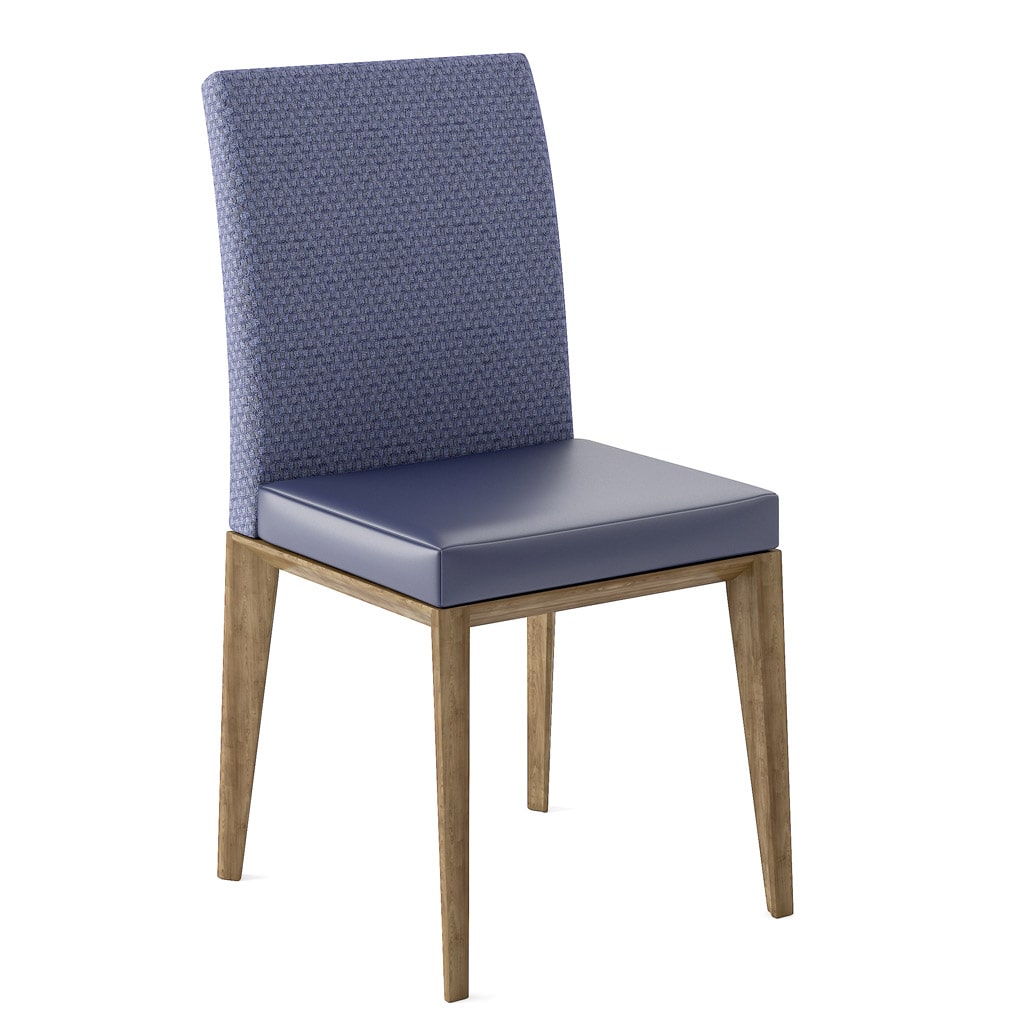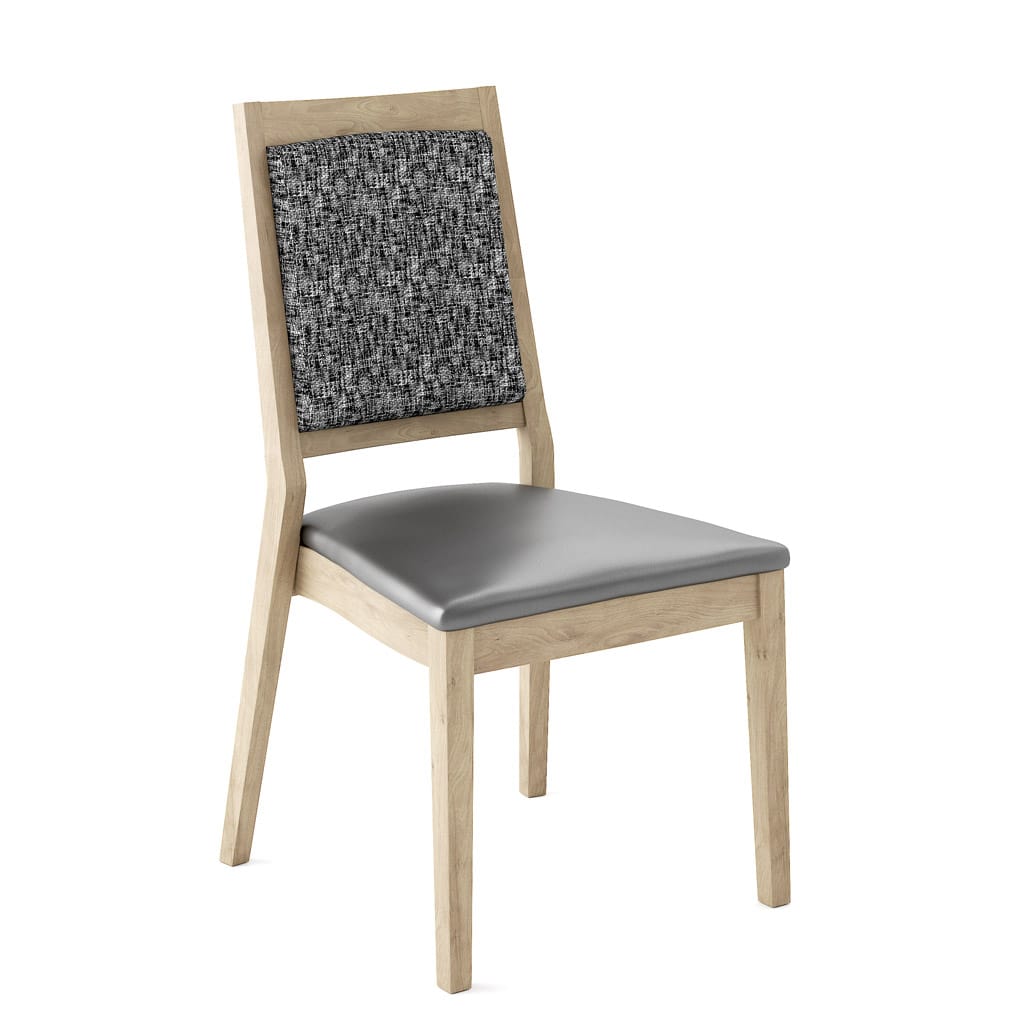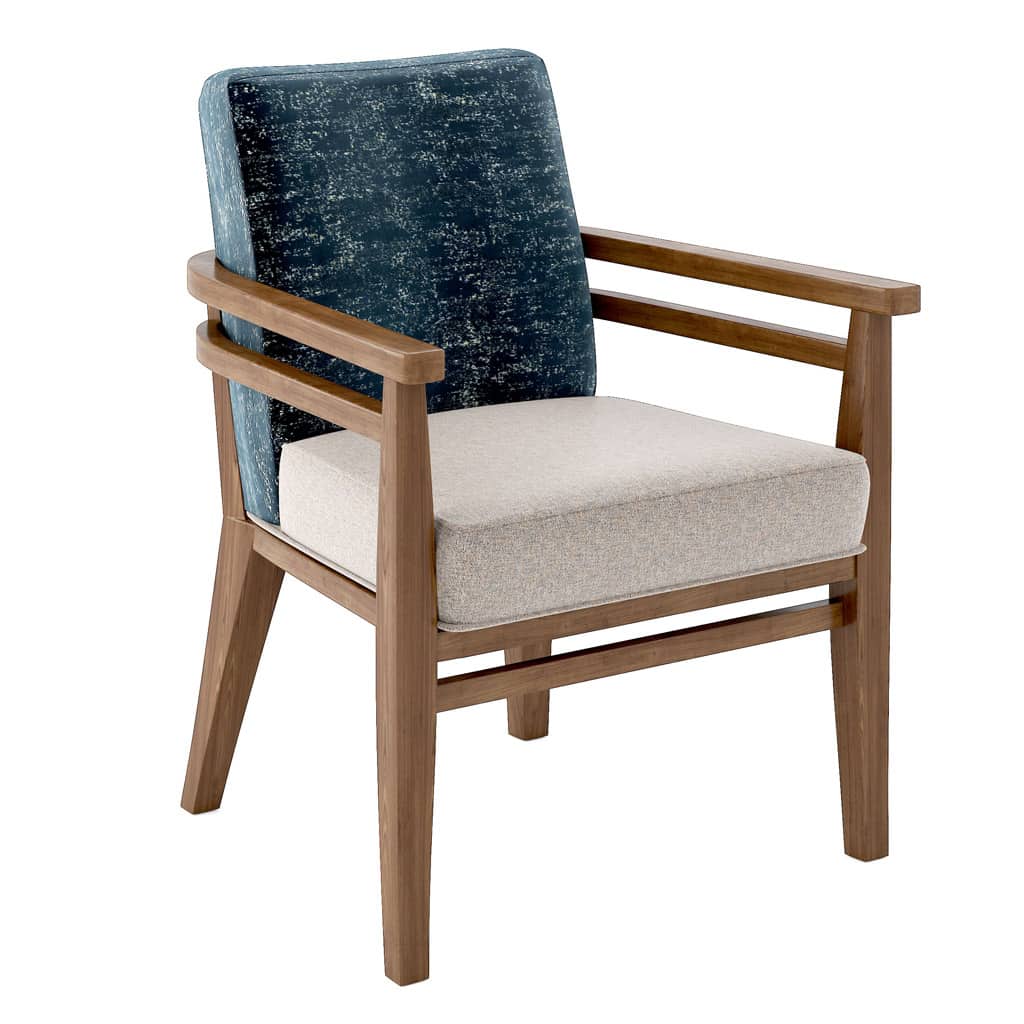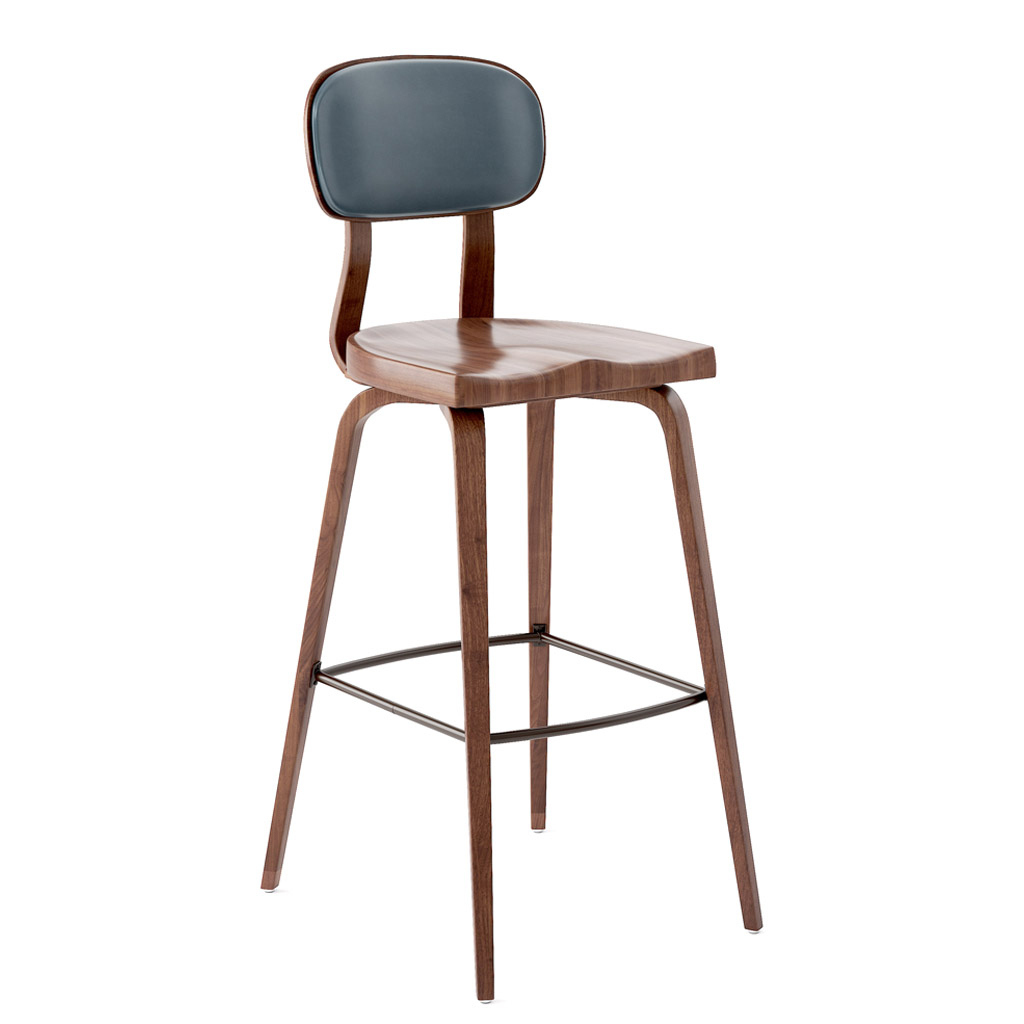
Long before guests taste the coffee, they experience the café.
The lighting, the music, the layout, and the furniture combine to form a first impression. Some cafés feel lively and energetic. Others encourage guests to slow down and stay awhile. Every design choice contributes to that atmosphere, but furniture plays a particularly important role.
Furniture sets the tempo of a space. Upholstered seating softens sound and creates a sense of comfort. Wood introduces warmth and character. Metal accents can make a room feel clean and contemporary. The materials, finishes, and silhouettes you choose influence how guests experience the environment.
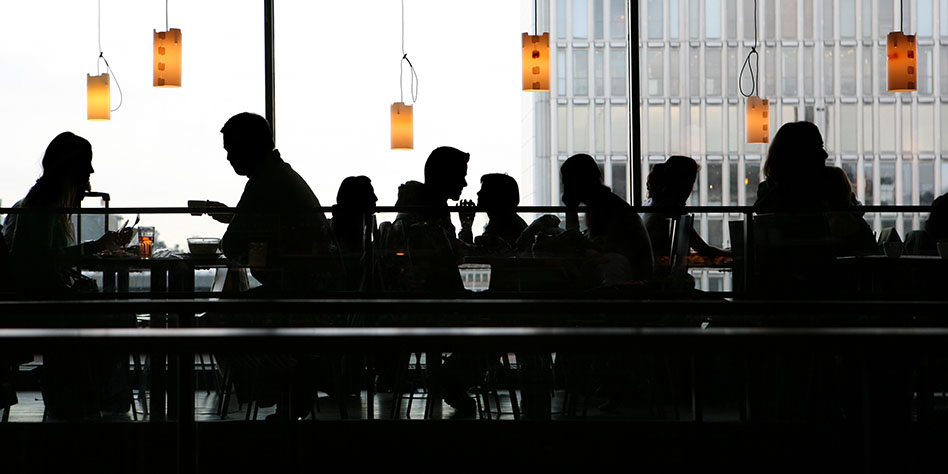
Today’s coffee shops offer more than coffee. They serve as meeting places, workspaces, study halls, and neighborhood gathering spots. As mobile ordering and delivery continue to grow, the in-person experience becomes one of a café’s greatest differentiators.
Of course, café furniture must do more than create a memorable atmosphere. Chairs support guests through morning meetings, afternoon study sessions, and conversations that stretch long past an empty cup. Tables withstand constant use from opening until closing. Every piece must balance style, comfort, and durability.
The most successful cafés understand that furniture is more than a functional necessity. It helps shape the experience guests remember and gives them a reason to return.
Below, we’ll explore five coffee shop furniture ideas that elevate café design:
5 Coffee Shop Furniture Ideas by Design Style
A café’s style gives a guest the first impression of the room. Regardless of the design style, the silhouettes carry the look, the materials ground it, and the seating philosophy supports the vision:
1. Minimalist Coffee Shop Design
A minimalist atmosphere displays restraint. Choosing lighter woods and metals, and bright fabrics communicates an energetic, airy, open room. To design a space with a minimalist approach, use a disciplined palette of white and soft grays, and occasionally a single accent or a warmer-toned surface.
This style works well with clean-lined side chairs, understated stacking chairs, and benches that integrate into the architecture. Look for tabletops with flat edges and even grain and table bases that disappear into the room. If a business model encourages higher turn-around, use seating without cushions to encourage shorter visits. In an environment that communicates grab-and-go and higher energy, minimal design resonates with the on-the-go commuter or offers the ideal spot for a quick visit after lunch or before dinner.
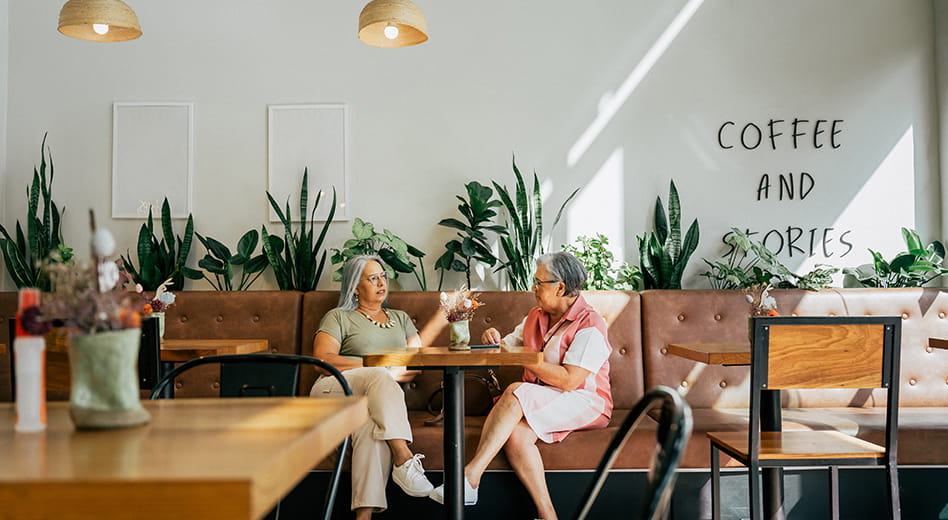
2. Cozy and Layered Café Interiors
The atmosphere of a cozy café wraps the guest in a warm blanket on a cold day. A residential design style with deep seats, mixed materials, and warm wood tones feel familiar. Guests want to enjoy long stays in front of a fireplace. Soft surfaces and cushions reduce loud acoustics, providing an intimate atmosphere. In this space, patrons lose track of time and forget their worries in the comfort of the moment.
3. Industrial Coffee Shop Furniture Ideas
A sleek industrial design exposes metal and raw wood, emphasizing the construction of a space. Even an upscale industrial theme may result from a repurposed warehouse or garage.
Modern industrial coffee shops utilize metal-framed seating, communal tables, and tabletops with visible grain and thick edge profiles to communicate the aesthetic. Powder-coated steel and aluminum frames handle the rigors of high volume and fast turnovers. Wooden chairs and barstools pair well with rough materials or exposed surfaces.
4. Mid-Century Modern Coffee Shop Style
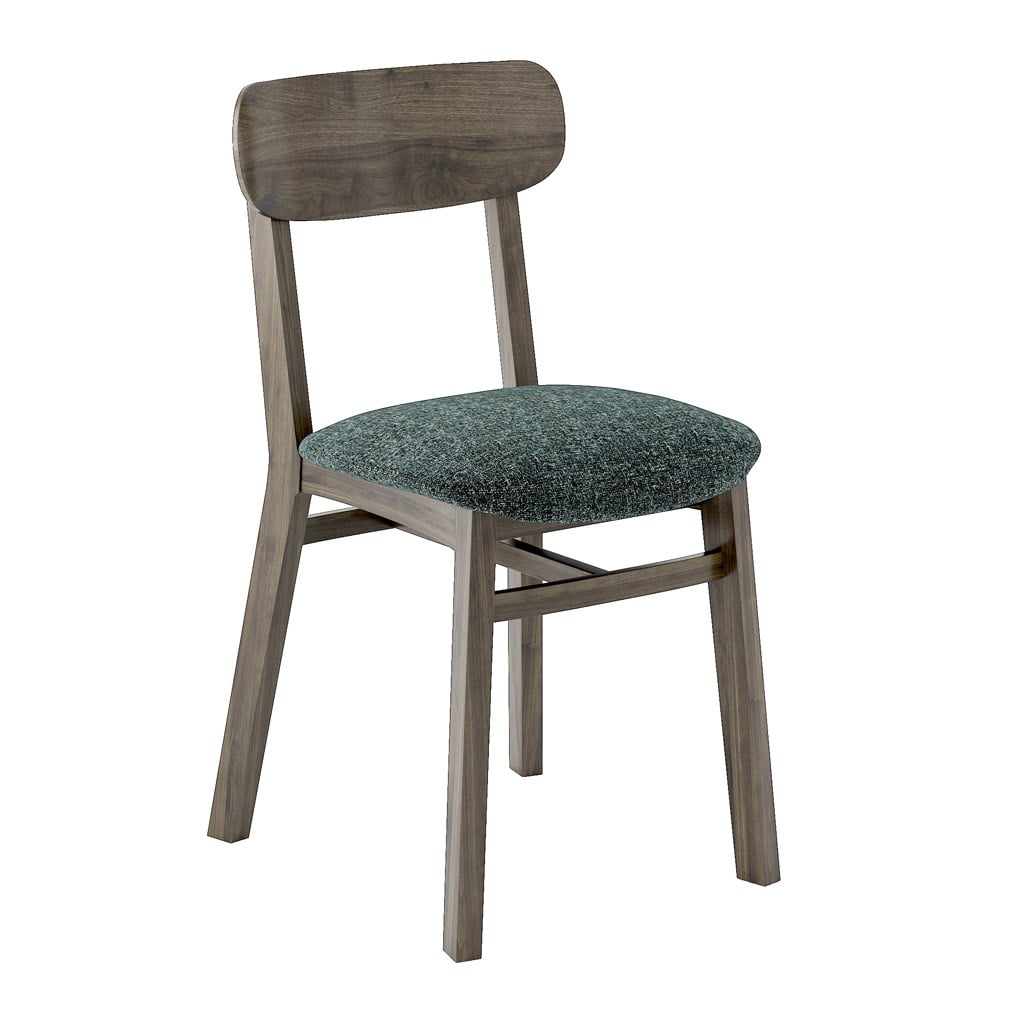
Mid-century cafés balance nostalgia and whimsy. The furniture vocabulary includes organic curves, tapered profiles, and warm-toned woods. Guests linger in organic seating arrangements that encourage conversation without feeling overly formal.
Seating favors armchairs with softened lines, wooden chairs with sculpted backs, and side chairs. Warm-toned wood tabletops pair with round bases. The mid-century modern aesthetic leans toward reinforced joints and mortise-and-tenon hardwood frames, especially with splayed and tapered legs. MCM blinds timeless design with durability.
5. Contemporary Luxury Café Design
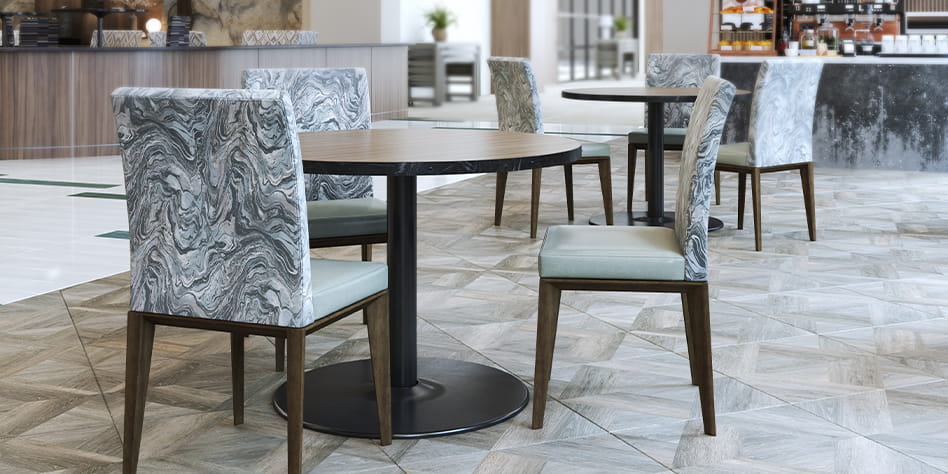
Design your luxury café to elevate the coffee break from a daily transaction to a memorable moment. The furniture should focus on refined shapes, premium materials, and polished or brushed metal finishes.
Contemporary luxury furniture choices include upholstered banquette seating, sculptural lounge chairs, and elegant dining-style chairs. Faux wood with tasteful finishes presents a sophisticated alternative to the cost of solid hardwood across an entire room.
Engineered tabletop surfaces paired with stainless steel bases stand up to the acidity of coffee stains. Higher-grade letter-and-number fabrics communicate the luxury concept while honoring the durability and cleanability requirements that stand the test of time.
Coffee Shop Design Styles at a Glance
Coffee Shop Seating Layouts to Improve Flow and Function
A café’s furniture choices set the aesthetic, but the layout determines the room’s flow and function. The spacial layout should align with the overall atmosphere and concept of the brand.
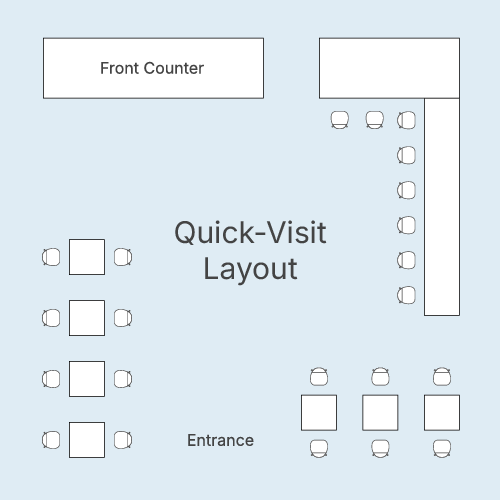
Quick-Visit Layouts
Quick-visit coffee shops incorporate counters and window bars with bar stools for the on-the-move individual looking to drink and leave. Small two-top tables provide economic use of space without feeling cramped.
Unobstructed flow uses lighter, narrower seating profiles and table bases that don’t crowd the footpath. High-top tables and bar stools offer a traditional, café-native configuration, while stackable chairs add useful flexibility during off-peak hours.
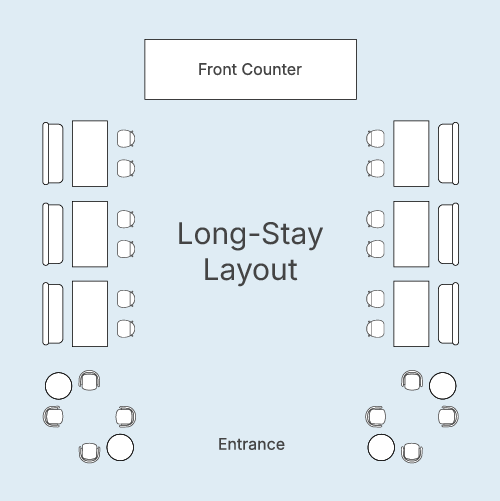
Long-Stay Layouts
Long-stay zones invite guests to settle in, read a book, work on their laptop, or meet a friend. The furniture communicates time spent, not time passed.
Wider tabletops accommodate a device, a cup, and a plate without crowding. Armchairs and banquette seating offer the comfort a 90-minute visit demands, and varied seating heights let guests choose between a workstation or a lounge within the same room. Banquettes along perimeter walls make especially efficient use of space.
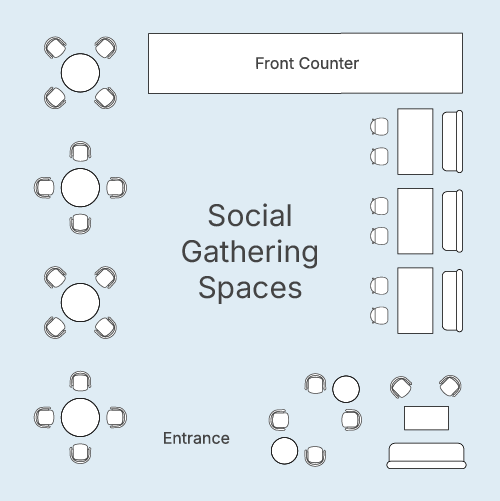
Social Gathering Spaces
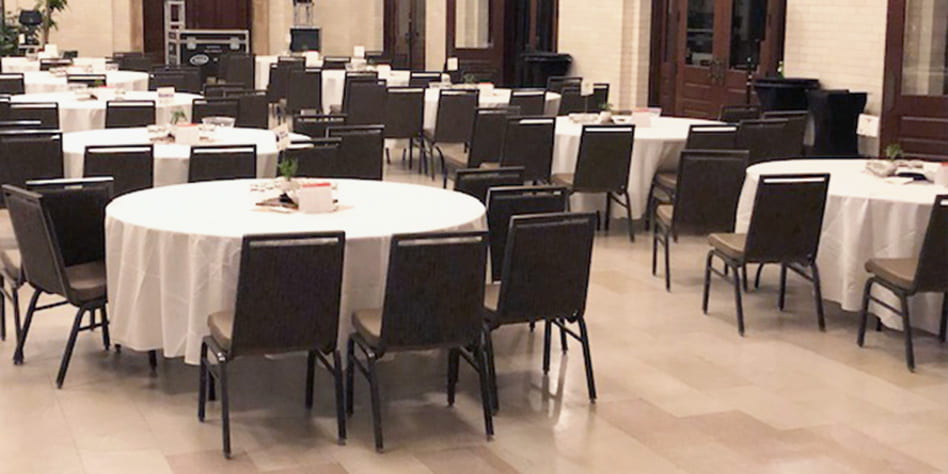
For groups with unpredictable sizes, designate social zones. Round tabletops earn their place here because they spread conversation evenly across every seat.
Banquettes paired with movable chairs let an owner accommodate a couple for the first hour and a group of five the next without rearranging the room. Communal tables fill the space between strangers and friends, offering shared seating without forced interaction. Communal spaces have been trending in modern coffee shops, treating shared spaces as open, inviting environments.
Commercial Materials That Balance Style and Longevity
When a designer chooses all the furniture for a space from the same manufacturer, it streamlines the creative process while leaning into the high standards of a trusted name. MityLite provides designers with the variety of options they need to individualize the total aesthetic of a space without compromise.
MityLite builds chair frames with durable, lightweight aluminum, powder-coated or stainless steel, resin, and hardwood. Hardwood options include a sustainable European Beechwood, a hard-wearing hardwood with a fine, even grain, joined with the kind of mortise-and-tenon construction that holds up across years of commercial use.
A hard polyurethane topcoat protects wood surfaces and prevents stains from soaking in. Tabletops are available in finished hardwood, engineered wood, laminate, and faux wood. Dress them up with stainless or powder-coated steel bases in prong, round, or square profiles.
Customize every piece with frame finishes drawn from twenty-two standard wood stains. For chairs, MityLite accepts COM (Customer’s Own Material) when your project demands a fabric outside the standard catalog.
With over a thousand options in our fabric library, you can filter choices by letter and number grade, both of which scale with cost. Independent filters allow you to specify upholstery type, performance finish, cleanability, pattern, manufacturer, and double rub rating.
This level of detail helps designers to make decisions based on budget and a reasonable expectation of material durability. Price doesn’t always determine how well a fabric will perform over time, making durability data an important resource for designers with every fabric option.
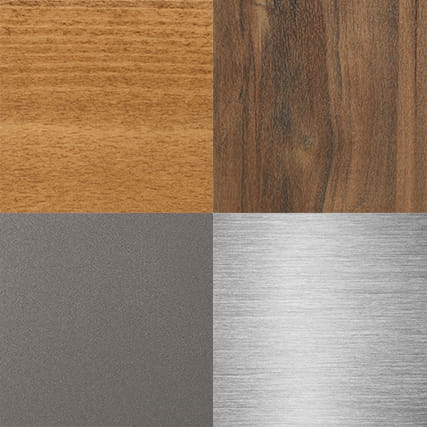
Durable materials found in MityLite furniture includes:
- Hardwood
- Stainless Steel
- Aluminum
- Laminate
Avoid Common Coffee Shop Furniture Design Mistakes
A great talent for design requires an understanding of materials, motifs, layouts, and a little customer psychology thrown into the mix. But a great design soars when you know what to avoid:
- Choosing style over comfort: You may be drawn to a chair that simply isn’t comfortable. Guest comfort provides the foundation for any coffeehouse. Use a chair’s design as a template for a better option, because getting the look of a space right at the expense of guest comfort isn’t an option.
- Using residential furniture in a commercial space: Residential furniture may look similar to commercial-grade products, but it rarely delivers the same durability. Any upfront savings can quickly vanish when frequent use forces you to reupholster chairs or refinish tables sooner than expected.
- Overcrowding the layout: Your space only accommodates a certain capacity. When you try to pack in the potential to serve a higher capacity, it actually slows service down and sends a subliminal discomfort to crowded guests. Unlike a well-designed and intentional communal space, cramped seating makes people feel uncomfortably close to surrounding conversations.
- Ignoring acoustics: Hard floors and bare walls present an unpleasant, reflective, and noisy acoustic space. Soft surfaces and cushioning, and canvas wall art help mute room acoustics and dampen overall noise level, making it easier for people to hear each other during busy times. Conversation-friendly acoustics provide guests with a more intimate experience.
- Avoiding variety in seating design: A single chair-and-table combination repeated across a room seems right in theory, but in reality, it can feel monotonous and make a space feel dull, small, or lacking pleasant layered aesthetics. Customers appreciate the options in seating that match their pace. Bar stools, banquettes, two-tops, and lounge corners make every individual feel they’ve arrived at their destination.
- Overdesigning without considering operations: A practical design must account for cleaning, rearrangement, storage, traffic flow, and service pathways. The space has to be both functional and visually pleasing.
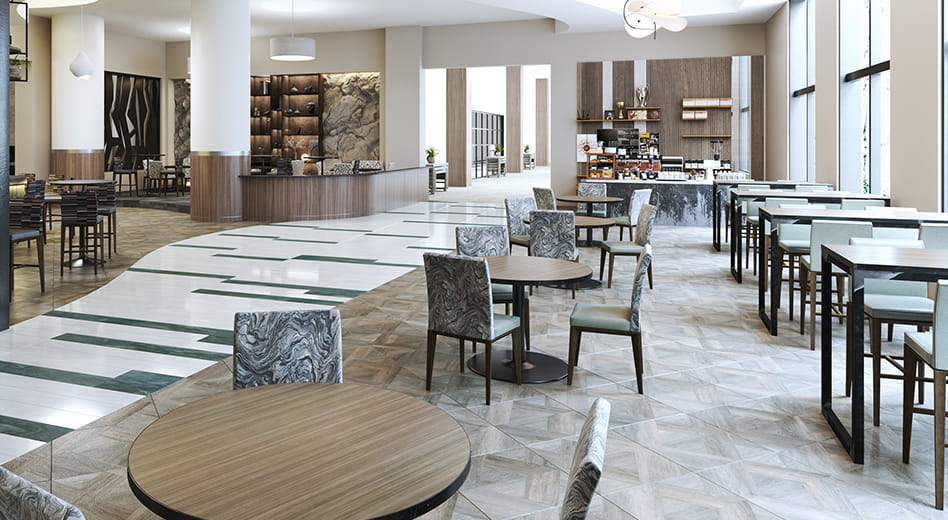
MityLite Helps Designers Create Better Coffee Shop Experiences
Because your design options present the coffeehouse theme to your audience, you need a diverse artist’s palette to begin. MityLite offers an unmatched range of dining chairs, barstools, banquettes, communal tables, finished wood and laminate tabletops, and fabrics to support your vision without compromising durability or cleanability.
MityLite gives designers the broad customization options they need to work their magic. Find your perfect style in our extensive collection of fabrics, frame finishes, and wood stains. If you don’t see the fabric you need, we accept the customer’s own material.
We construct our wood frames from sustainably sourced European Beechwood from FSC®-certified forests. The majority of MityLite chairs carry GREENGUARD certification for indoor air quality requirements and sustainability-minded designers.
Whether you’re choosing the perfect furnishings for a quick-service café concept, a destination coffee bar, or a hospitality-side café embedded in a larger property, MityLite’s restaurant furniture and hospitality furniture collections offer the range of styles and materials you need to furnish a complete room from a single source.

Let’s Talk Café Furniture
Create a coffee shop guests want to return to. Contact MityLite to find the right furniture for your space.
FAQs
Is upholstered seating practical for coffee shops?
Yes. Upholstered seating communicates a café’s visual aesthetics to customers, softening room acoustics, and providing the comfort people want to return to. But durability and cleanability are just as important as colors and patterns. By choosing a manufacturer that provides the double rub rating and cleaning details of every fabric, you can define the establishment’s identity without sacrificing practicality.
Can café furniture be customized to match a specific brand’s aesthetic?
Yes. You should have the freedom to customize café furniture down to the details that reflect the brand’s space, including frame finishes, fabric selection, tabletop materials, and base profiles. MityLite’s chair, tabletop, and base lines are built to be mixed and matched, with a fabric range that spans from budget-friendly to premium.
Do coffee shop chairs and tables need to match?
No. In fact, sometimes the right design statement involves intentional contrast. Uniformity can often read as clinical or sterile, while mixing tabletop materials with different chair silhouettes or pairing banquettes with accent chairs makes a unique statement while adding visual depth.