Your nurses’ stations’ furniture should help your medical staff work efficiently, stay comfortable, and maintain focus, especially during grueling shifts.
At 6:00 a.m., the nurses crowd into the ER station, elbowing past the stacks of paperwork, narrowly missing each other as they move from charting to patient rooms. Empty coffee cups collect beside computer monitors while shift-change conversations compete with alarms sounding down the hall.
Across town, a pediatric nurse settles into her morning differently. She reviews the day’s appointments, looking for just enough space to squeeze in a child who woke up with a severe rash. She checks the exam rooms and fills the treasure chest with stickers and lollipops for the bravest kids.
Different pace. Different pressures.
But in both environments, the nurses depend on a space to help them think clearly and move quickly before the next task pulls them into another room. A nurses’ station establishes the rhythm of an entire shift.
For years, healthcare interiors prioritized function above all else. But today, medical facilities recognize that layout affects communication. The seating impacts fatigue. The nurses station design bolsters how staff feel throughout the day. Regardless of the pace of the clinic, all caregivers need to be able to do three things well:
- Work Efficiently
- Stay Comfortable
- Maintain Focus
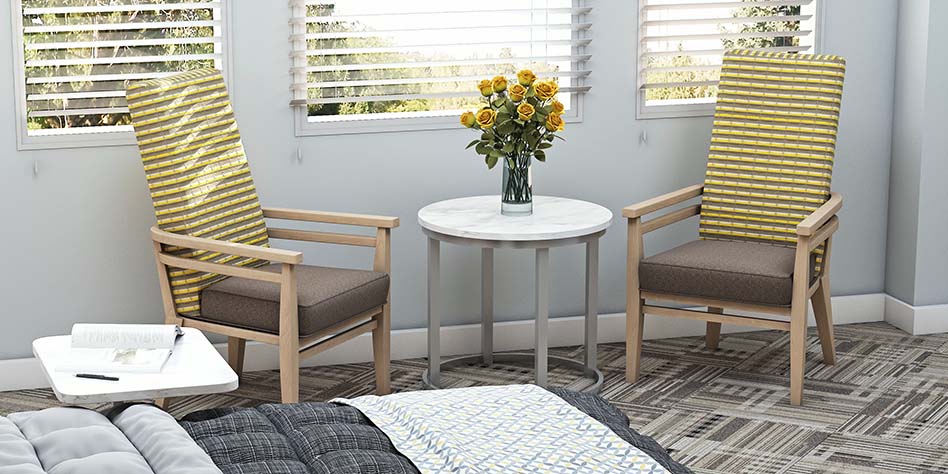
MityLite designs furniture that aligns with the realities of clinical work. It combines durability, cleanability, comfort, and warmth. It’s no longer “just a chair.” It either alleviates or adds to the stress caretakers already carry throughout the day.
1. Nurses Want Efficiency
Several clinicians gather around a crowded desk and must straddle the heavy, immobile chairs to discuss a patient’s vital signs. Insufficient workspace forces clutter to build up during already stressful moments. A phlebotomist can’t reach the chart on the wall. Someone rushes toward a trauma room. The nurse station evolves into a constant flow of movement and split-second coordination.
In a pediatric office, the pace may feel calmer, but the sound of uneasy children and hungry infants puts everyone on edge. Nurses move between intake conversations, patient documentation, scheduling updates, and coordination with parents and physicians. The station needs to support quick turnaround while maintaining a welcoming, organized atmosphere for families and staff alike.
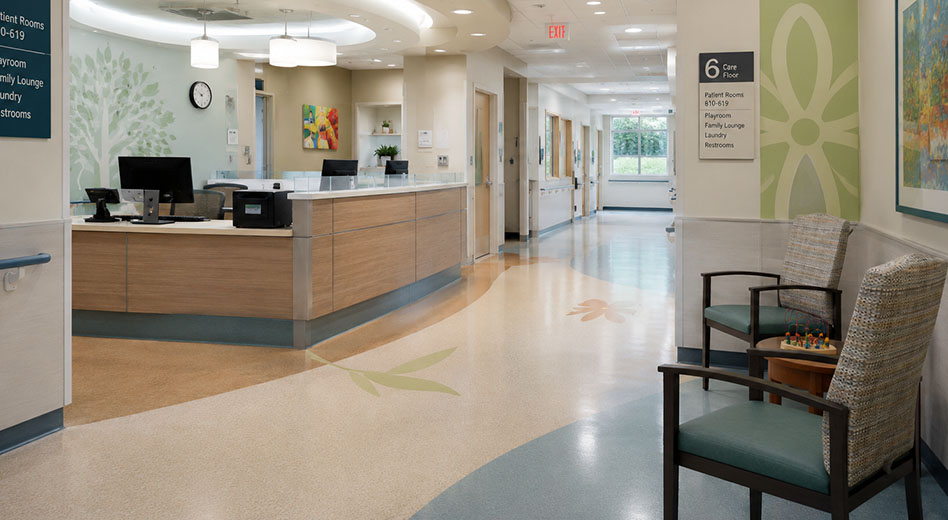
The different healthcare environments demand different rhythms, but both rely on high end furniture that can handle the demands of the day.
Nurses need seating that moves easily without becoming unstable or a spontaneous obstacle course. Clear sightlines across the station help care teams communicate quickly and avoid the congestion that builds around crowded workspaces. Durable, commercial-quality furniture handles spills and cleaning solutions without taking time and attention away from the patients. No one notices a poorly designed nurses’ station until three people try to maneuver around each other at the same time. If it doesn’t flow properly, the space will feel chaotic or overcrowded.
2. Nurses Want Comfort
Nurses rarely sit for long stretches of time. They move constantly between patient rooms, charting stations, conversations with physicians, and documentation responsibilities before the next interruption pulls them away again.
When they do sit, the body notices every touchpoint.
Halfway through his shift, an assistant nudges a chair out of the way with his hip while unraveling IV tubing. He can’t stand that lumpy, flattened seat cushion. His only other option is a hard, backless stool. His tight shoulders, lower back pain, and physical fatigue scream for relief.
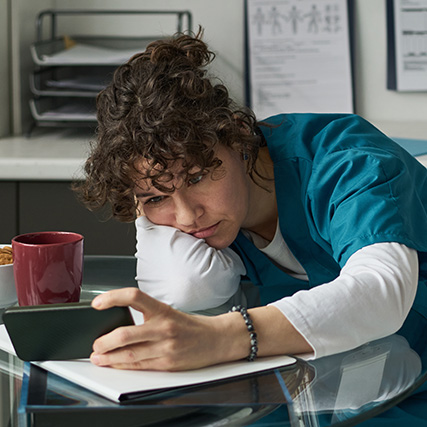
Nurses want seating that supports them through the realities of clinical work. They need:
- ergonomic comfort
- lumbar support
- ease of movement
- comfortable materials
When it’s been a taxing workday, the right chair will work with the physical realities of the job, not against them. Proper lumbar support encourages better posture during repetitive, daily tasks. Flexibility allows nurses to transition quickly between sitting and standing.
Material selection also changes how a space feels over the course of a shift.
Nobody feels calmer under fluorescent lighting surrounded by hard plastic and gray laminate. Softer textures, supportive cushions, and hospitality-inspired finishes create stations that feel warm and welcoming without losing professionalism.
MityLite’s seating collection keeps that balance in mind. Ergonomic support, ease of movement, and warm material choices help create stations that feel physically supportive during demanding workdays.
Because by the end of a long shift, comfort stops feeling optional.
3. Nurses Want Focus
Focus becomes harder to maintain when everything around you competes for attention.
The blasting AC units. Rolling equipment down long hallways. Shrill monitors and notifications. The conversations that project from every doorway. The visual clutter from screens, supplies, and paperwork stuffed throughout the station.
By the end of a shift, that level of stimulation becomes draining.
Nurses may not notice every distraction, but the accumulation of noise chips away at sensory overload. The nurses’ station design can either intensify that fatigue or soften it throughout the day.
Warm finishes help reduce the sterile, clinical feeling common in many healthcare environments. Casters and inline wheels make each movement a glide. Softer textures and upholstered seating absorb some of the harshness created by hard surfaces. Cheerful materials and calmer visual patterns help stations feel more grounded instead of visually chaotic.
Even small environmental shifts can help healthcare workers mentally reset between tasks.
A nurse pauses, leaning into her chair to take a deep breath after an emotionally difficult patient interaction. A clinician sits down to eat a brief snack before the next round of exams. A care team laughs over a goofy text message to regroup after a hectic afternoon.
These are not long breaks. They are small moments of recovery that happen throughout the day.
Your furniture should support every weighty or whimsical moment. MityLite knows how to design healthcare furniture with the latest trends in hospitality-inspired warmth, supportive seating, and materials inspired by those who use them most. Help your clinic feel calmer and more human without sacrificing performance.
Seating Comparison for Care Teams
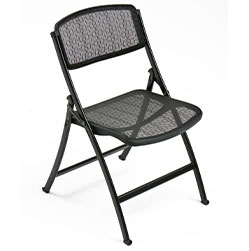
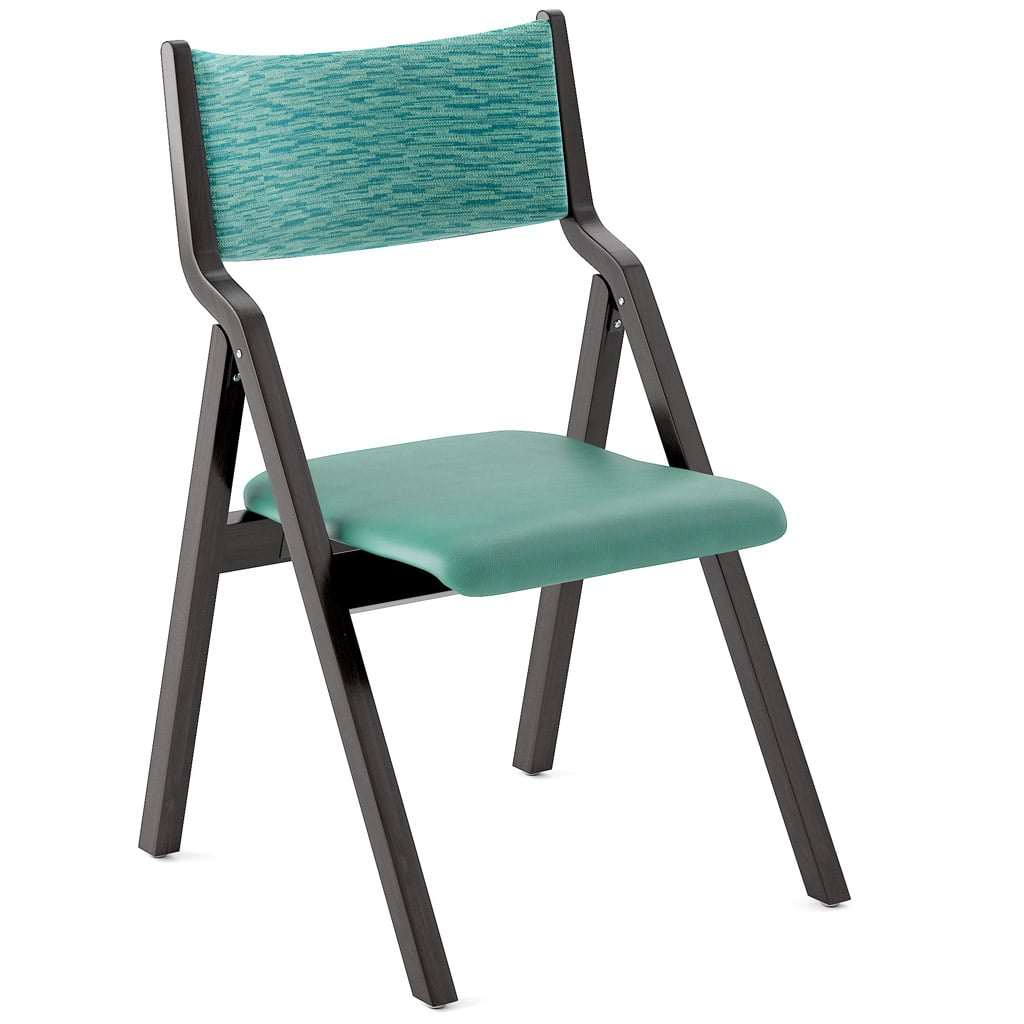
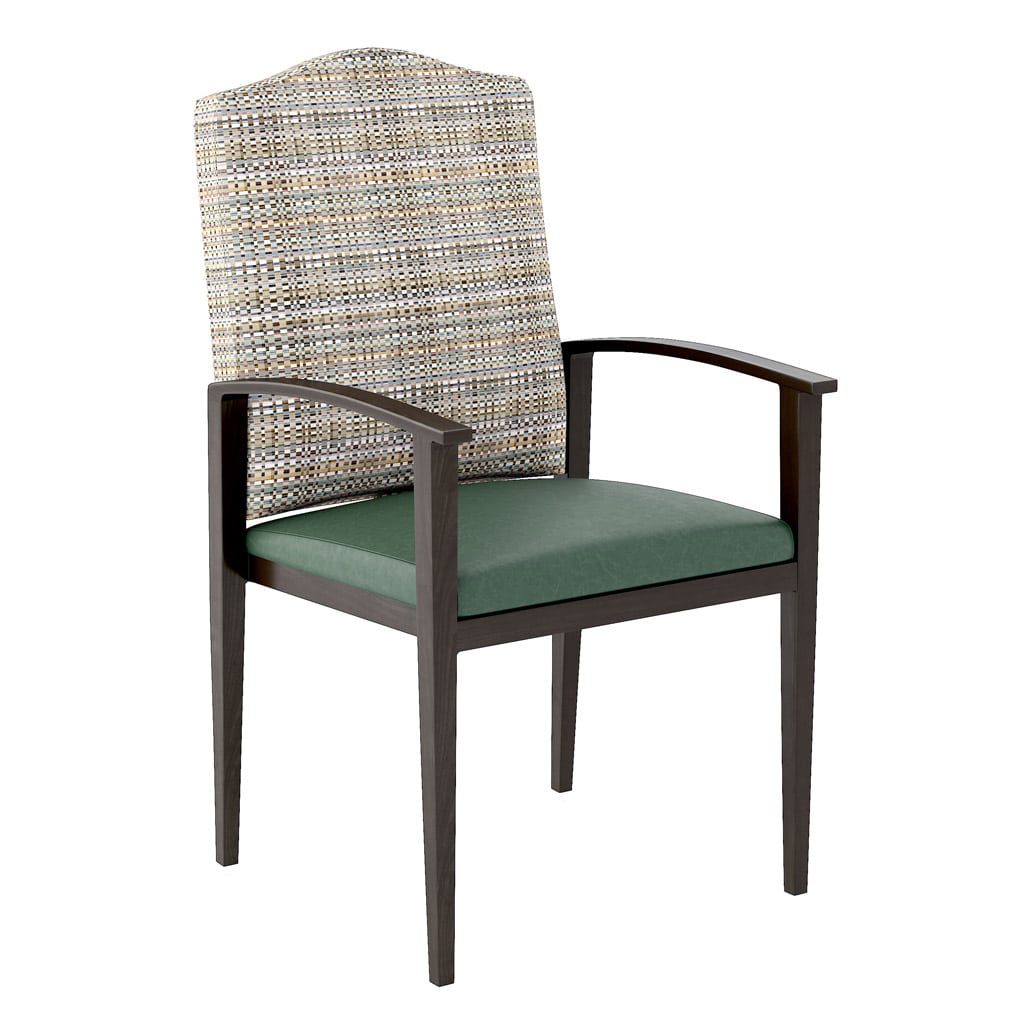




Nurse Station Furniture Should Support the People Behind the Care
A nurses’ station absorbs the stress of judgement calls, difficult conversations, constant movement, and long hours that demand both emotional and physical endurance. Nurses do not have time to wrestle with crowded pathways, or workspaces designed by someone who has clearly never worked a hospital shift.
That’s why modern healthcare facilities have moved beyond furniture that simply “gets the job done.” MityLite offers a variety of furniture options that do more than support workflow. They aid people carrying the emotional weight of the work. Whether it’s a fast-moving ER team or a thriving pediatric clinic, furniture choice provides the emotional foundation for the caregiving experience.
In healthcare, even small moments of comfort, calm, and efficiency carry providers through the next patient interaction.

Ready for a quote?
Chat with a dedicated sales rep today!