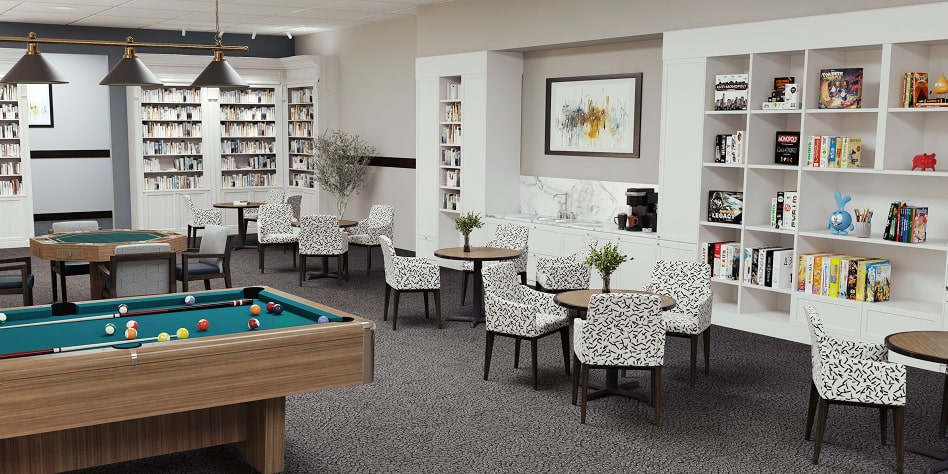
A well-designed learning environment supports the people in it. Students spend hours each day in the same spaces. The school chairs in each room aren’t simply functional. They play a quiet but important role in the health, comfort, and long-term performance of the people who sit in them.
Eco-friendly furniture often gets labeled as a “nice to have.” In your school, it’s much more critical than that.
What is Eco-Friendly Furniture?
Eco-friendly furniture starts with thoughtful choices about the materials that go into a product and how it performs over time. Low-emitting finishes and adhesives help protect indoor air quality, while responsibly sourced wood and durable components reduce waste and extend the life of each piece. Construction plays a role as well. When furniture holds up to daily use, it stays in service longer and keeps replacement cycles down. In the end, the pieces that furnish your space create a healthier environment, and make better use of resources without sacrificing strength, comfort, or design flexibility.
It Starts with the Air Students Breathe
Furniture impacts indoor air quality more than you realize. The air you breathe contains chemicals emitted from your surroundings. Over time, certain materials release low levels of chemicals, or (VOCs). Imagine sitting in a classroom for 6-8 hours a day while being exposed to a steady stream of toxicity. That exposure adds up.
Dr. Marilyn Black founded the Greenguard Environmental Institute in 2001 to prevent that situation from happening. GREENGUARD-certified products meet strict standards for low chemical emissions, helping protect indoor air quality. They know that poor air quality influences the students’ focus, energy, and overall comfort. By testing and certifying the raw materials, they curate healthier learning environments.
MityLite makes it easier to specify for healthier spaces with more than 130 GREENGUARD-certified products across key categories. Choose pieces that support better indoor air quality without limiting your design options.
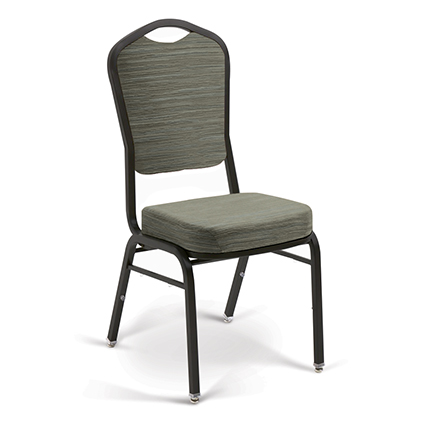
Gathering: tables, arm chairs, side chairs, banquet chairs
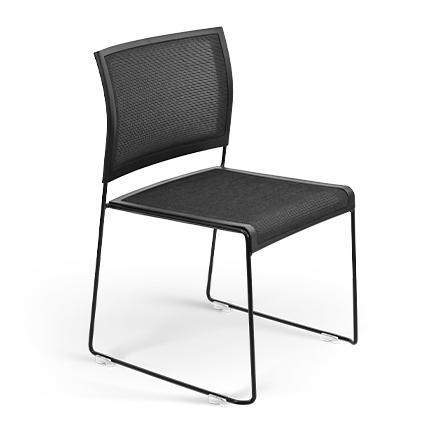
Flexible seating: stacking chairs, folding chairs
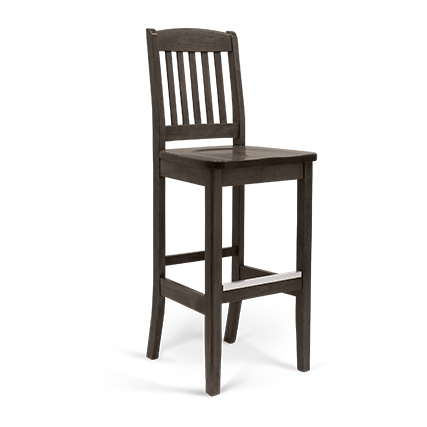
Elevated seating: barstools
Eco-Friendly vs. Traditional School Furniture
When It Comes to School Chairs, Durability Is Sustainability
Schools don’t buy furniture once; they buy it at scale.
When school furniture deteriorates, the impact multiplies across classrooms and campuses. Loose joints, worn materials, and frequent replacements mean more waste and more time spent managing problems.
The most sustainable product is the one that lasts.
Reduce replacement cycles and keep materials out of landfills longer! Well-built, durable furniture isn’t separate from sustainability—it’s a big part of it.
Look Beyond the Upfront Cost
When you purchase an item with a lower price tag, it doesn’t always mean that you spend less over time.
Frequent repairs, replacements, and mismatched furniture across rooms and campuses impact your budget significantly. On the other hand, longer-lasting products reduce maintenance and preserve their appearance as time passes.
Eco-friendly furniture choices keep the long view in mind. They may not cost less upfront, but they perform better over years of use.
Do More with Less
Classrooms and common areas rarely remain the same.
Spaces shift between lectures, group work, events, and community use. Furniture that adapts to different needs reduces the need to replace it.
Stackable, durable, and versatile designs allow schools to reconfigure spaces without starting over. That flexibility extends product life and avoids unnecessary waste.
Better Decisions Add Up
Eco-friendly furniture considers how to make better decisions for real-world use. It creates:
- Healthier spaces through improved air quality
- Stronger budgets with longer product life
- Less waste through fewer replacements
- More adaptable environments as needs change
When it comes to furniture, the administrators’ goal isn’t to make a bold design statement; it’s to create a space where students can focus and succeed. The right furniture simply supports that goal.
Eco-Friendly Furniture for Education Environments
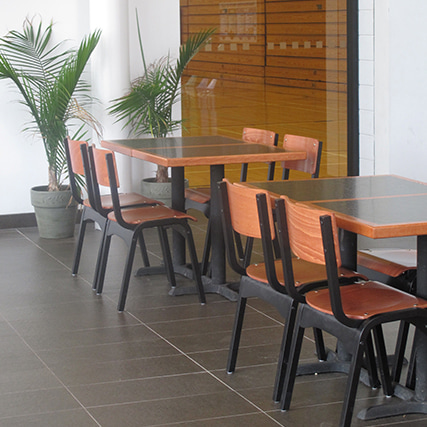
For schools looking to put these principles into practice, products like the Holsag Campus chair line by MityLite offer a strong example of how sustainability and performance can work together.
We designed the Campus line specifically for high-use environments like classrooms and study spaces. These chairs use solid European Beech hardwood and durable joinery to stand up to constant daily use.
They also address sustainability in practical ways:
- FSC-certified wood sourcing, promoting responsible forestry practices
- More natural finishes, helping to reduce chemicals in shared environments
The design addresses real-world school needs. Chairs stack to save space, clean easily, and hold up under frequent use. We build them for real use, not just good intentions.

Smarter, Sustainable Classrooms Start Here
Contact us today to create classrooms that last longer, perform better, and support every student who walks through the door.