Il y a quelques années, la plupart d'entre nous se souciaient peu de l'endroit où les produits étaient fabriqués.
Nous entrions dans les grandes surfaces, comparions les prix, jetions un coup d'œil à quelques avis sur Amazon et sortions notre carte bancaire. Si un produit, une fois déballé, fonctionnait correctement, on passait à autre chose. Dans le cas contraire, on le renvoyait sans hésiter.
Puis le monde s'est arrêté.
Du jour au lendemain, les ruptures des chaînes d'approvisionnement ont vidé les rayons des magasins. Des hordes de gens se sont ruées dans les supermarchés pour acheter des produits de première nécessité. De nombreux constructeurs ont temporairement interrompu leurs activités en raison de pénuries de matériaux. Des articles ménagers courants se sont retrouvés bloqués dans des ports à l'autre bout du monde. Pour la première fois depuis des décennies, le citoyen lambda s'est senti totalement pris au dépourvu par un arrêt brutal de l'activité économique. Soudain, à l'ère de l'information, même les questions les plus simples sont devenues insolubles.
Cette expérience semble avoir durablement marqué le comportement des consommateurs et les produits fabriqués aux États-Unis.
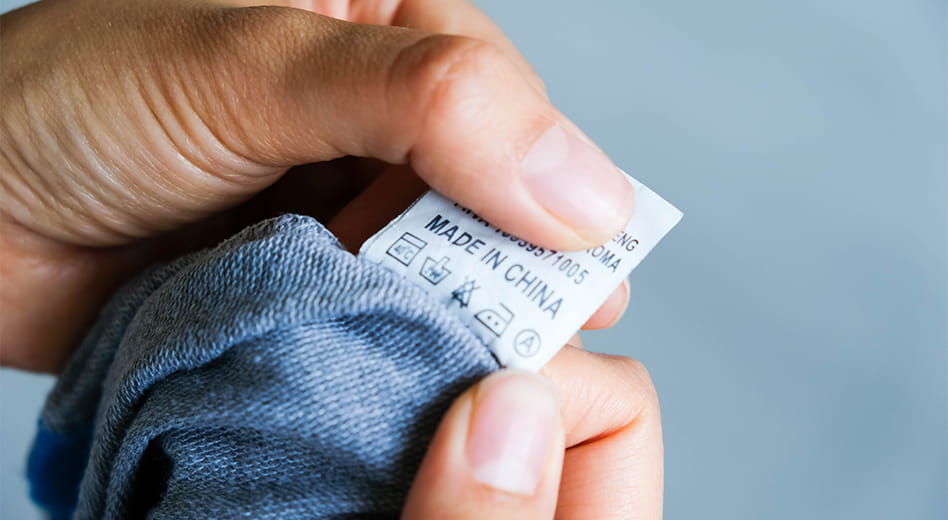
Selon Gallup, 391 % des Américains déclarent qu’ils font régulièrement attention au lieu de fabrication des produits. avant d'effectuer un achat. Un supplément 37% disent qu'ils le remarquent au moins de temps en temps. Autrement dit, plus des trois quarts d'entre nous prêtent attention à ces petites étiquettes indiquant le pays d'origine lorsqu'ils font leurs achats. Cela peut paraître surprenant. Pourtant, en y regardant de plus près, ces étiquettes discrètes révèlent une réalité bien plus complexe.
Un label conçu pour la transparence
À la fin du XIXe siècle, les entreprises manufacturières américaines ne cherchaient pas forcément à convaincre les Américains d'acheter américain. Certains propriétaires d'entreprises étrangères tentaient simplement d'accroître la valeur de leurs produits en revendiquant l'origine du pays le plus prestigieux. Cependant, les consommateurs avaient le droit de savoir d'où provenaient les produits. À l'origine, l'étiquetage n'était pas motivé par le patriotisme, mais par la transparence.
Au lendemain de la Seconde Guerre mondiale, l'industrie manufacturière s'est intimement liée à l'identité nationale. Les Américains ont vu les industriels de leur pays contribuer à la victoire. Le label “ Fabriqué aux États-Unis ” était synonyme de qualité, de savoir-faire, de responsabilité et de confiance. Dans les décennies qui ont suivi, l'industrie manufacturière s'est étendue à un public plus mondialisé. Face à l'afflux d'importations, le “ Fabriqué aux États-Unis ” n'était plus la norme, mais un choix.
À l'approche du 250e anniversaire des États-Unis d'Amérique, le débat sur l'industrie manufacturière américaine est de nouveau au cœur des préoccupations. Pourquoi ? Non pas à cause de manœuvres commerciales étrangères trompeuses, ni grâce à une campagne marketing patriotique habile visant à rallier les Américains. Mais parce que nous avons pris conscience que notre économie n'est pas invincible.
Les Américains s'intéressent de plus en plus aux produits fabriqués aux États-Unis.
On constate qu'après 2020, des traces d'incertitude persistent.
En réalité, nous connaissions tous quelqu'un touché par la fermeture. Les événements relayés par les médias se sont déroulés dans notre entourage. Nous les avons vus se produire en direct. Une de mes sœurs a perdu sa maison neuve car les entrepreneurs n'ont pas pu se procurer les matériaux à temps. Nous faisions la queue devant notre food truck préféré, pour finalement découvrir un bout de papier givré par l'humidité annonçant sa fermeture définitive. Nos beaux-parents ont vendu leur maison après la crise immobilière, pour se rendre compte qu'ils ne peuvent plus se permettre de vivre dans le quartier.
Dans un récent sondage Gallup, 71% Américains affirment qu'il est important d'acheter des produits fabriqués aux États-Unis pour soutenir l'emploi et les travailleurs américains. et 57% le font pour renforcer l'économie américaine. Pourquoi affirmons-nous cela ? Les résultats suggèrent que nous accordons plus d’importance aux produits fabriqués aux États-Unis car nos décisions d’achat sont plus connectées à nos communautés qu’auparavant. Un produit n’est plus un simple objet. Son impact dépasse largement le simple passage en caisse. Il représente des emplois, des entreprises, des chaînes d’approvisionnement et nos propres communautés.
Que signifie réellement “ Fabriqué aux États-Unis ” ?
La plupart d'entre nous supposent comprendre ce que signifie l'étiquette “ Fabriqué aux États-Unis ”.
Étonnamment, beaucoup d'entre nous ne le font pas.
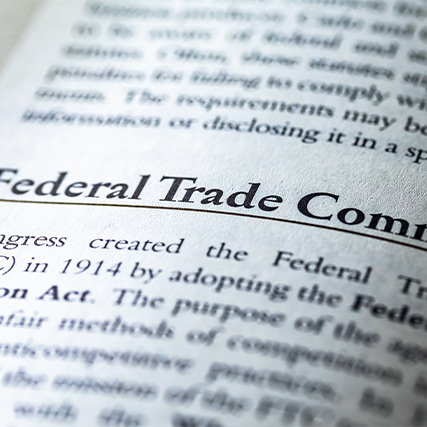
La Federal Trade Commission réglemente cette réclamation en intégrant les informations suivantes dans son processus décisionnel rigoureux :
- D'où proviennent les principaux composants ?
- Où la fabrication a-t-elle eu lieu ?
- Quelle part de la valeur du produit provient de sources nationales ?
L'adresse de l'usine n'est qu'un élément parmi d'autres. Pour commercialiser un produit comme étant “ Fabriqué aux États-Unis ”, il faut généralement démontrer que ce produit est fabriqué “ entièrement ou presque entièrement ” aux États-Unis.
Nous vivons à une époque où il est plus facile que jamais d'acheter un produit, mais plus difficile que jamais de connaître son origine. La plupart des produits que nous achetons arrivent emballés dans des cartons, sans que l'on sache vraiment d'où ils viennent. Les étiquettes d'origine, comme “ Fabriqué aux États-Unis ”, permettent de retrouver un peu de ce contexte manquant. Parfois, un peu de clarté suffit.
C’est pourquoi une petite étiquette peut avoir autant d’importance.
Ce label nous offre une occasion rare de relier une décision d'achat à un résultat plus large, en accord avec nos valeurs.
Saviez-vous?
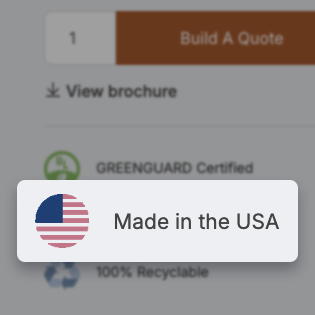
Il est facile d'identifier les produits MityLite fabriqués aux États-Unis. Il suffit de rechercher le logo. “ Fabriqué aux États-Unis ” étiquette sur la page produit.
La confiance est devenue un avantage concurrentiel
Pendant une grande partie du XXe siècle, nombre de nos décisions d'achat s'articulaient autour de trois questions :
- Est-ce que ça fonctionne ?
- Puis-je me le permettre ?
- Puis-je l'avoir ?
Aujourd'hui, nous posons une quatrième question :
- Puis-je lui faire confiance ?
Cette question va bien au-delà de la qualité du produit.
Nous avons accès à plus d'informations que toutes les générations précédentes. La plupart d'entre nous peuvent sortir leur téléphone de leur poche, comparer des produits, lire des avis, se renseigner sur les entreprises et vérifier des affirmations en quelques minutes. Pourtant, malgré cette abondance d'informations, nous sommes peut-être plus incertains que jamais.
La vie moderne est de plus en plus complexe. Les objets qui se trouvent chez nous transitent par des chaînes d'approvisionnement mondiales. Les entreprises qui les fabriquent opèrent dans de nombreux pays. Il nous arrive probablement d'interagir avec des marques que nous ne visiterons, ne rencontrerons ni ne comprendrons jamais vraiment, simplement en cliquant sur un article au hasard sur Internet.
Face à l'incertitude croissante, la transparence prend toute son importance. En levant le voile sur les problèmes, elle redonne aux individus un sentiment de contrôle. Plus l'information est abondante, moins il y a d'ambiguïté. Elle rapproche consommateurs et entreprises et remplace les suppositions par la compréhension.
Les entreprises gagnent notre confiance en démontrant leur savoir-faire. L'indication du pays d'origine s'inscrit naturellement dans cette démarche. Les organisations qui répondent volontiers à nos questions, expliquent leurs processus, partagent leur histoire et garantissent la qualité de leurs produits tissent souvent des liens plus étroits avec nous que celles qui restent cachées derrière des logos et des campagnes publicitaires.
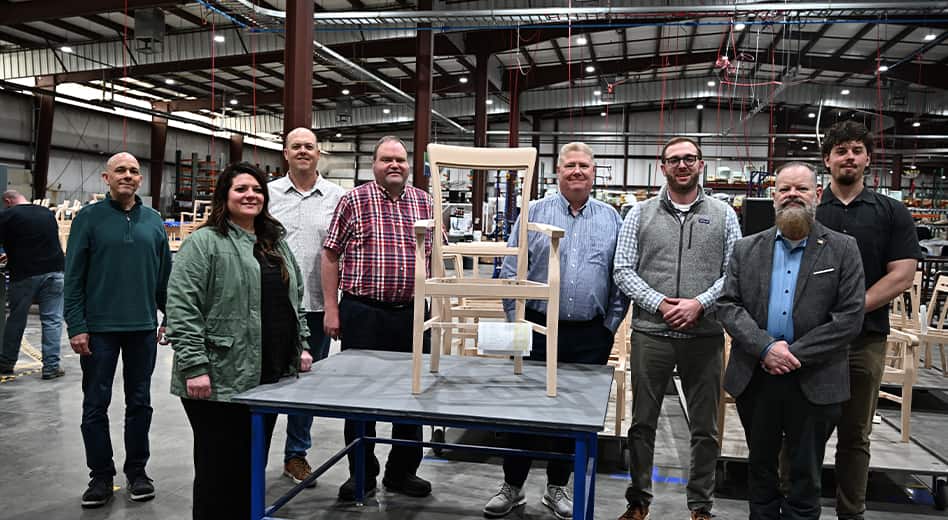
Que signifie “ Fabriqué aux États-Unis ” chez MityLite ?
Chez MityLite, “ Fabriqué aux États-Unis ” a toujours signifié bien plus qu'une simple étiquette.
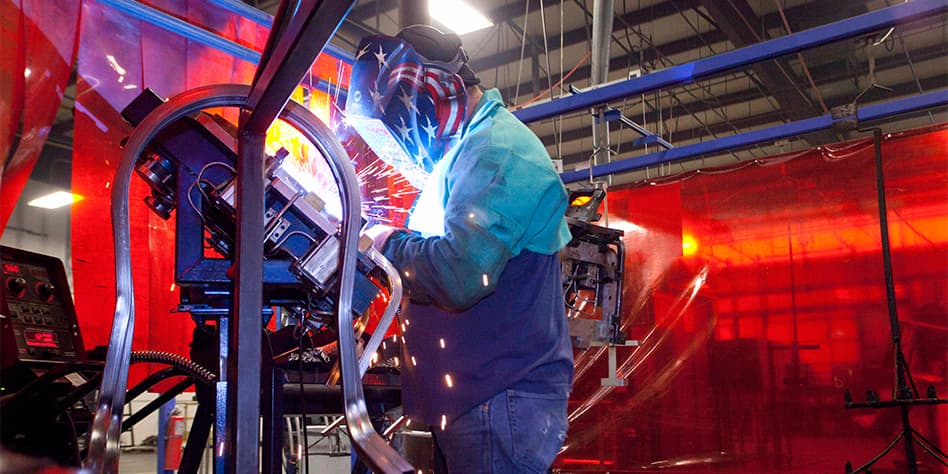
Oui, cela témoigne de notre engagement envers le mobilier fabriqué aux États-Unis. Cela reflète la fierté que nous éprouvons à produire ici, dans l'Utah. Cela témoigne du savoir-faire des artisans qualifiés, des opérateurs de machines, des soudeurs, des assembleurs, des finisseurs et des spécialistes du contrôle qualité qui se mobilisent chaque jour pour fabriquer des produits destinés à nos écoles, églises, centres de conférence, salles de spectacles et espaces publics à travers le pays.
Mais cela reflète aussi autre chose : la confiance, la transparence.
Lorsque nos clients s'interrogent sur nos produits, nous pouvons répondre à toutes leurs questions. Lorsque les responsables d'installations souhaitent savoir comment ils sont fabriqués, nous pouvons le leur montrer. Nous pouvons même leur présenter les personnes qui les fabriquent. Derrière leurs uniformes de chaussures de sécurité et leurs lunettes de protection, ce sont des gens comme les autres qui, à l'heure du déjeuner, sortent une chaise de jardin et profitent d'un pique-nique sur notre pelouse. Certains travaillent ici depuis des décennies ; d'autres ont rejoint la famille MityLite l'année dernière. Quel que soit leur parcours, leurs compétences serviront les autres lors de moments importants et marquants de leur vie : un banquet, une remise de diplômes, un office religieux ou une réunion communautaire, et ce, pendant de nombreuses années.
Ce lien avec notre communauté est important pour nous.
Nous voulons que nos clients aient l'impression de nous connaître. Nous vivons et travaillons ici. Nous sommes fiers de ce que nous faisons. C'est pourquoi nous considérons toujours le label “ Fabriqué aux États-Unis ” comme un gage de qualité.
Nous ne considérons pas ce label comme la preuve que nous avons tout fait correctement.
Nous le considérons comme une invitation à présenter notre travail.
Derrière chaque table, chaque chaise et chaque chariot se cache une équipe de personnes fières de leur travail. Elles méritent de faire partie de cette histoire.

Prêt pour un devis ?
Discutez avec un représentant commercial dédié dès aujourd'hui !
Références
- “ Sondage Bentley-Gallup 2025 – Seuls 391 000 Américains tiennent systématiquement compte du lieu de fabrication des produits lors de leurs achats. ” 2025. Bentley.edu. 2025. https://www.bentley.edu/gallup/buyamerican.
- Brenan, Megan. 2025. “ 391 030 Américains remarquent régulièrement où sont fabriqués les produits. ” Gallup.com. Gallup. 8 octobre 2025. https://news.gallup.com/poll/695939/americans-regularly-notice-products-made.aspx.
- Morning Consult. 2025. “ Fabriqué en Amérique ”. https://www.americanmanufacturing.org/wp-content/uploads/2025/11/AAM_Made-in-America_6Nov2025-Report-1.pdf.